
Banner
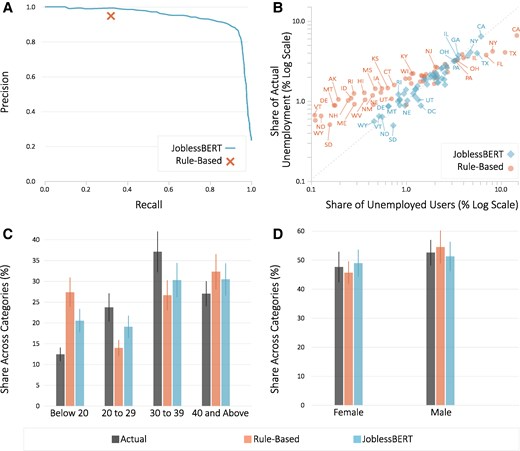
Social Media Is A Faster Source For Unemployment Data Than Government

Government unemployment data today are what Nielsen TV ratings were decades ago - a flawed metric...

Gestational Diabetes Up 36% In The Last Decade - But Black Women Are Healthiest

Gestational diabetes, a form of glucose intolerance during pregnancy, occurs primarily in women...
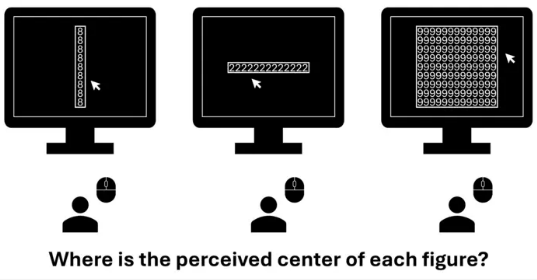
Object-Based Processing: Numbers Confuse How We Perceive Spaces

Researchers recently studied the relationship between numerical information in our vision, and...
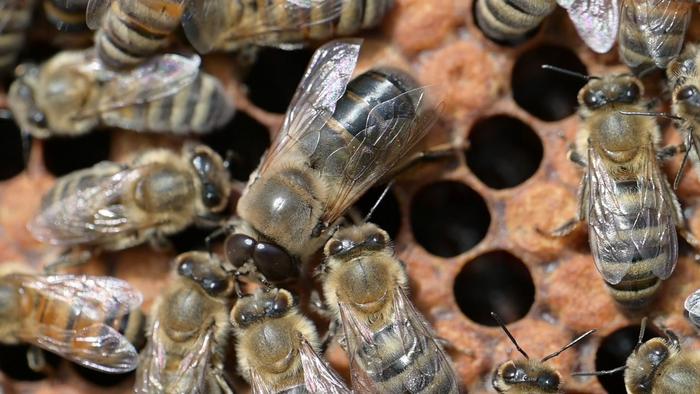
Males Are Genetically Wired To Beg Females For Food

Bees have the reputation of being incredibly organized and spending their days making sure our...

User picture.
News StaffRSS Feed of this column.

News Releases From All Over The World, Right To You... Read More »

Blogroll

Researchers at the Salk Institute for Biological Studies have developed a novel strategy to expand the natural repertoire of 20 amino acids in mammalian cells, including neurons, and successfully inserted tailor-made amino acids into proteins in these cells. In a powerful demonstration of the method’s versatility, they then used unnatural amino acids to determine the operating mechanism of the “molecular gates” that regulate the movement of potassium ions in and out of nerve cells.

“In the past, this type of engineering has been mainly restricted to bacteria or in yeast, and it was very challenging to efficiently incorporate unnatural amino acids in mammalian cells.

Professor Herbert Herzog, Director of the Neuroscience Research Program at the Garvan Institute of Medical Research, together with scientists from the US and Slovakia, have shown that neuropeptide Y (NPY), a molecule the body releases when stressed, can ‘unlock’ Y2 receptors in the body’s fat cells, stimulating the cells to grow in size and number. By blocking those receptors, it may be possible to prevent fat growth, or make fat cells die.

“We have known for over a decade that there is a connection between chronic stress and obesity,” said Professor Herzog. “We also know that NPY plays a major role in other chronic stress-induced conditions, such as susceptibility to infection.

A just published scientific study conducted by researchers at the University of Miami School of Nursing in conjunction with The Sirkin Creative Living Center (SCLC) has found that Rescue Remedy®, an all-natural remedy created from flower essences, is an effective over-the-counter stress reliever with a comparable effect to traditional pharmaceutical drugs yet without any of the known adverse side effects, including addiction.

A role for prion proteins, the much debated agents of mad cow disease and vCJD, has been identified. It appears that the normal prions produced by the body help to prevent the plaques that build up in the brain to cause Alzheimer’s disease. The possible function for the mysterious proteins was discovered by a team of scientists led by Medical Research Council funded scientist Professor Nigel Hooper of the University of Leeds.

Alzheimer’s and diseases like variant Creutzfeldt-Jakob Disease follow similar patterns of disease progression and in some forms of prion disease share genetic features. These parallels prompted Professor Hooper’s team to look for a link between the different conditions. They found an apparent role for normal prion proteins in preventing Alzheimer’s disease.

Technical advances over the past 50 years have allowed improved knowledge to be gained of the properties of sea water at great depths. Yet the first centimetres of the ocean remain its least well known part. They are difficult to sample and study owing to the mixing the oceanographic vessel provokes between this superficial layer and the deeper strata of water. Nevertheless, a whole ecosystem exists within this layer, carrying numerous living organisms like bacteria, zooplankton and larger animals such as flying fish, which feed and reproduce in it.

The most common procedure for clearing blocked kidney arteries can also release thousands of tiny particles into the bloodstream that can impair kidney function, according to researchers from Wake Forest University Baptist Medical Center and colleagues.

“This is the first data in humans to show that debris released during angioplasty and stenting of the kidney arteries can be harmful to kidney function,” said Matthew Edwards, M.D., M.S., lead researcher and an assistant professor of surgery. “It raises important questions about how to most safely perform this very common procedure.”






