
Banner
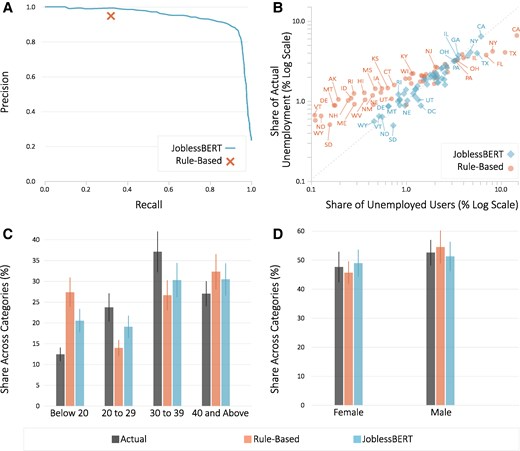
Social Media Is A Faster Source For Unemployment Data Than Government

Government unemployment data today are what Nielsen TV ratings were decades ago - a flawed metric...
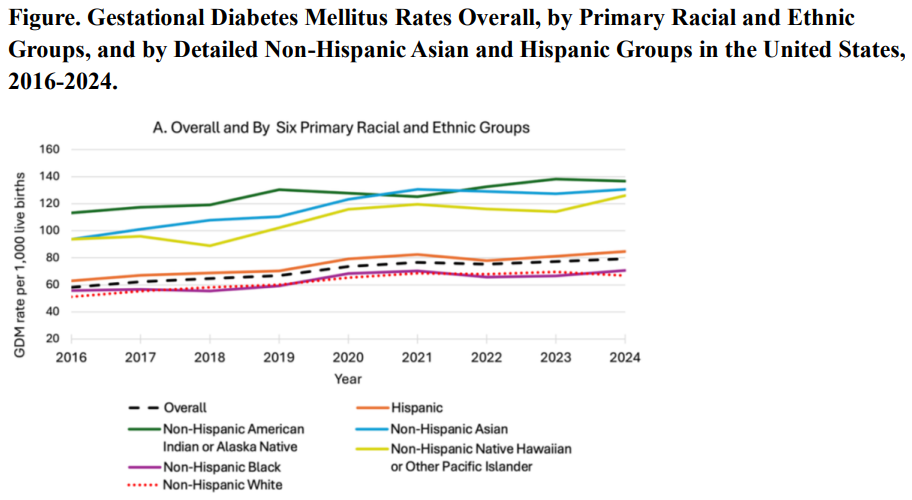
Gestational Diabetes Up 36% In The Last Decade - But Black Women Are Healthiest

Gestational diabetes, a form of glucose intolerance during pregnancy, occurs primarily in women...
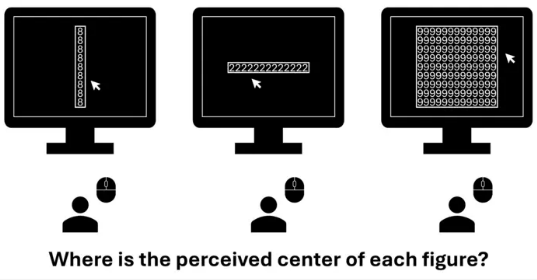
Object-Based Processing: Numbers Confuse How We Perceive Spaces

Researchers recently studied the relationship between numerical information in our vision, and...
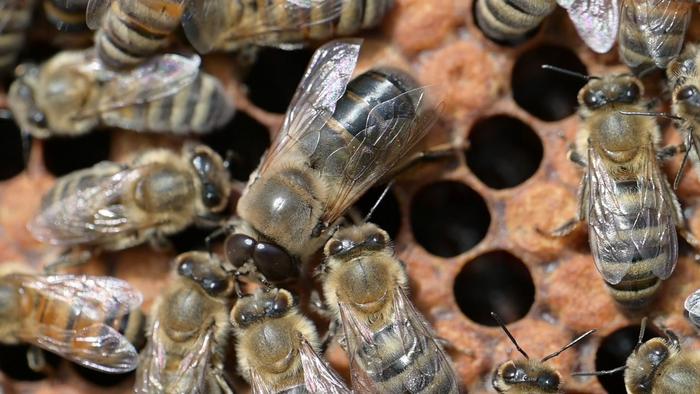
Males Are Genetically Wired To Beg Females For Food

Bees have the reputation of being incredibly organized and spending their days making sure our...

User picture.
News StaffRSS Feed of this column.

News Releases From All Over The World, Right To You... Read More »

Blogroll

Women with at least three sites of cellular atypia in breast tissue are nearly eight times more likely than average women to develop breast cancer, according to findings of a Mayo Clinic Cancer Center-led study of women with atypical hyperplasia. The findings are published in the July 1 issue of the Journal of Clinical Oncology.

Several previous studies have shown that atypical hyperplasia (also called atypia) in breast tissue is a major risk factor for breast cancer. Women who have a breast biopsy and are diagnosed with atypia are considered at high risk. Many are counseled to consider preventive medications such as tamoxifen or other risk-reducing approaches.

The first pigs containing genes responsible for Alzheimer’s disease will be born in Denmark in August. This event is a landmark achivement in the effort towards finding a cure for the disease.

Scientists from the universities of Copenhagen and Århus, Denmark are once again at the cutting edge of biotechnology. This time with cloned pigs that have been genetically modified so that they may function as animal models for the notorious Alzheimer’s disease. In the US alone, 5 million people suffer from this human brain disorder and globally the number is set at approx. 24 million (source: Alzheimer's Disease International).

Bats are one of the zoological groups attracting most interest around the world in terms of studying the epidemiology of rabies.

However, the dynamics of the viral infection in these organisms remains poorly understood. A team from the UB and the Institut Pasteur in Paris has just reported the first epidemiological, ecological and virological study with previously unpublished data on the transmission and development of rabies in these mammals.

The study is the result of twelve years of monitoring the dynamics of rabies virus infection (European bat lyssavirus subtype 1 - EBL1) in two wild bat (Myotis myotis) colonies in Spain. In total, the scientific data refer to the monitoring of over 1000 individuals from two colonies situated 35 km from one another.

In May, Nobel Laureate James D. Watson, the scientist who co-discovered the structure of DNA, became the first person to receive his own complete personal genome -- all three billion base pairs of his DNA code sequenced. The cost was $1 million, and the process took two months.

A million dollars for a map of all your genes is way out of reach for most people. The National Institutes of Health would like to bring it down to $1,000 by the year 2014, but plenty of technological hurdles remain before you’ll be able to secure your genetic blueprint for this more affordable price.

A factor in immune cells regulates human semen and seems to determine whether a man will be fertile, according to a new study.

Yousef Al-Abed, PhD, and his colleagues at The Feinstein Institute for Medical Research have isolated an immune substance called macrophage migration inhibitory factor (MIF) in semen samples from infertile and reproductively healthy men. MIF is key to helping sperm mature, which is necessary for its union with an egg. The finding could lead to a diagnostic test to determine fertility status.

Using echo-sounding equipment to create images and maps of areas below the ocean floor, researchers have begun to unravel a new story about the Antarctic Ice Sheet.

Images of areas below the Eastern Ross Sea, next to West Antarctica, provide evidence that the subcontinent was involved in the general growth of the Antarctic Ice Sheet as it formed many millions of years ago, according to scientists at the University of California, Santa Barbara. The National Science Foundation provided funding for the project.

Changes in Antarctica, an area that contains approximately 90 percent of the world’s ice, are particularly important for understanding some implications of global warming.







