
Banner
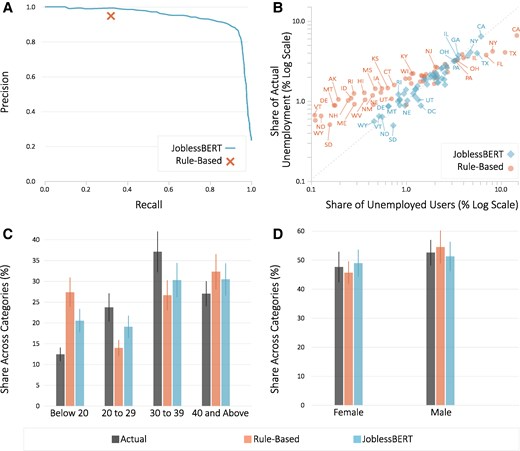
Social Media Is A Faster Source For Unemployment Data Than Government

Government unemployment data today are what Nielsen TV ratings were decades ago - a flawed metric...
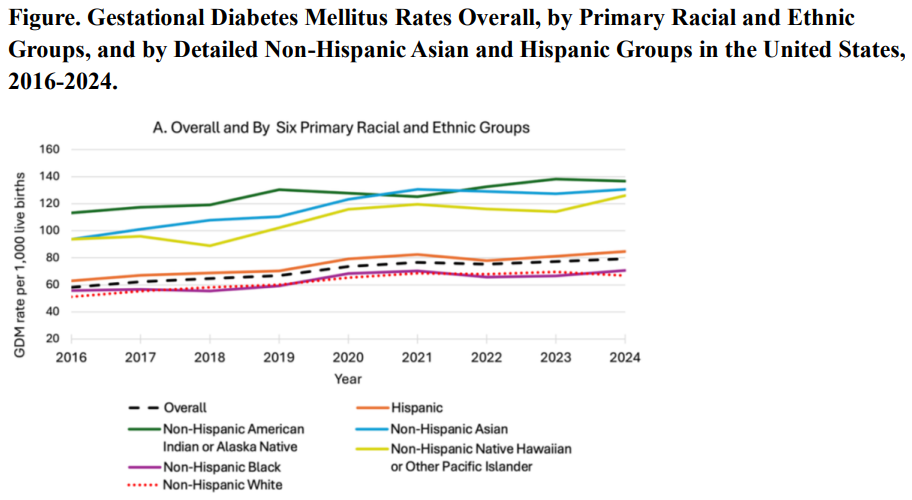
Gestational Diabetes Up 36% In The Last Decade - But Black Women Are Healthiest

Gestational diabetes, a form of glucose intolerance during pregnancy, occurs primarily in women...
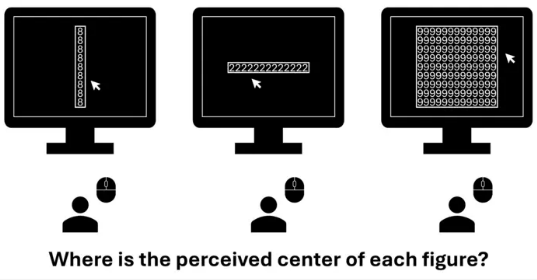
Object-Based Processing: Numbers Confuse How We Perceive Spaces

Researchers recently studied the relationship between numerical information in our vision, and...
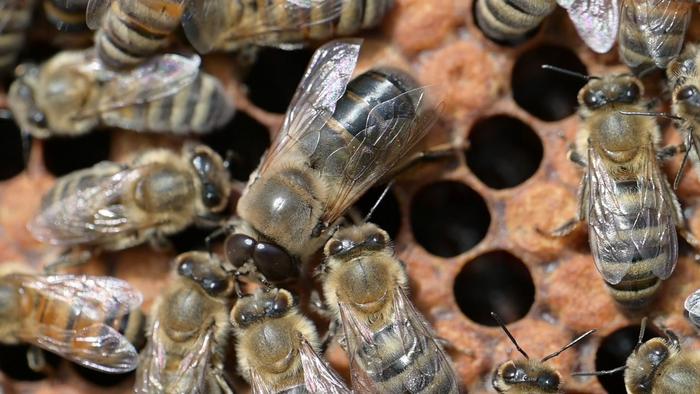
Males Are Genetically Wired To Beg Females For Food

Bees have the reputation of being incredibly organized and spending their days making sure our...

User picture.
News StaffRSS Feed of this column.

News Releases From All Over The World, Right To You... Read More »

Blogroll

Climate models are reliable tools that help researchers better understand the observed record of ocean warming and variability.

That's the finding of a group of Livermore scientists, who in collaboration with colleagues at Scripps Institution of Oceanography, had earlier established that climate models can replicate the ocean warming observed during the latter half of the 20th century, and that most of this recent warming is caused by human activities.

The observational record also shows substantial variability in ocean heat content on interannual-to-decadal time scales. The new research by Livermore scientists demonstrates that climate models represent this variability much more realistically than previously believed.

Many of the areas of the human genome previously thought to be deserts are in fact teeming with life.

Most known human genes in the genome map are still incompletely annotated, says Professor Alexandre Reymond, from the Centre for Integrative Genomics, University of Lausanne, Switzerland and the Department of Genetic Medicine, University of Geneva, Geneva, Switzerland.

“We found that the vast majority of the protein coding genes we studied utilised often in a tissue-specific manner previously unknown set of exons [the regions of DNA within a gene that are transcribed to messenger RNA] outside the current boundaries of the annotated genes ”, according to Professor Reymond.

Researchers at Rensselaer Polytechnic Institute and the University of Akron have created synthetic “gecko tape” with four times the sticking power of the real thing.

The researchers describe a process for making polymer surfaces covered with carbon nanotube hairs. The nanotubes imitate the thousands of microscopic hairs on a gecko’s footpad, which form weak bonds with whatever surface the creature touches, allowing it to “unstick” itself simply by shifting its foot.

For the first time, the team has developed a prototype flexible patch that can stick and unstick repeatedly with properties better than the natural gecko foot. They fashioned their material into an adhesive tape that can be used on a wide variety of surfaces, including Teflon.

How social or altruistic behavior evolved has been a central and hotly debated question, particularly by those researchers engaged in the study of social insect societies of ants, bees and wasps.

Parkinson disease (PD) is a common neurodegenerative disease characterized by the selective loss of midbrain dopaminergic neurons.

Although the cause of PD is unknown, pathological analyses have suggested the involvement of oxidative stress and mitochondrial dysfunction. Recently, an inherited form of early-onset PD has been linked to mutations in both copies of the gene encoding the mitochondrial protein PINK1. Furthermore, increasing evidence indicates that single-copy mutations in PINK1 are a significant risk factor in the development of later-onset PD.

With a technology transfer agreement announced today, the first compact proton therapy system – one that would fit in any major cancer center and cost a fifth as much as a full-scale machine – is one step closer to reality.

Proton therapy is considered the most advanced form of radiation therapy available, but size and cost have limited the technology’s use to only six cancer centers nationwide.


Compact proton radiotherapy treatment concept
Illustration by Steven Hawkins




