Banner
Social Media Is A Faster Source For Unemployment Data Than Government

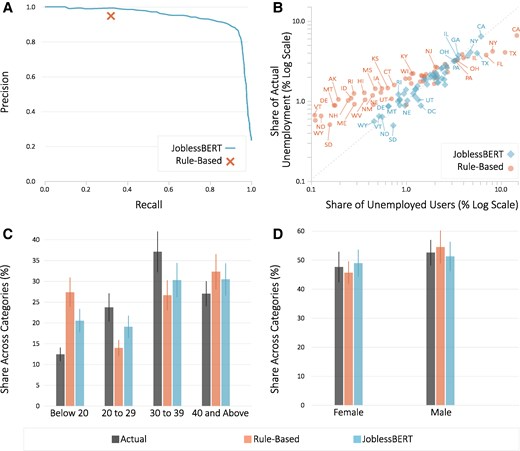
Government unemployment data today are what Nielsen TV ratings were decades ago - a flawed metric...
Gestational Diabetes Up 36% In The Last Decade - But Black Women Are Healthiest

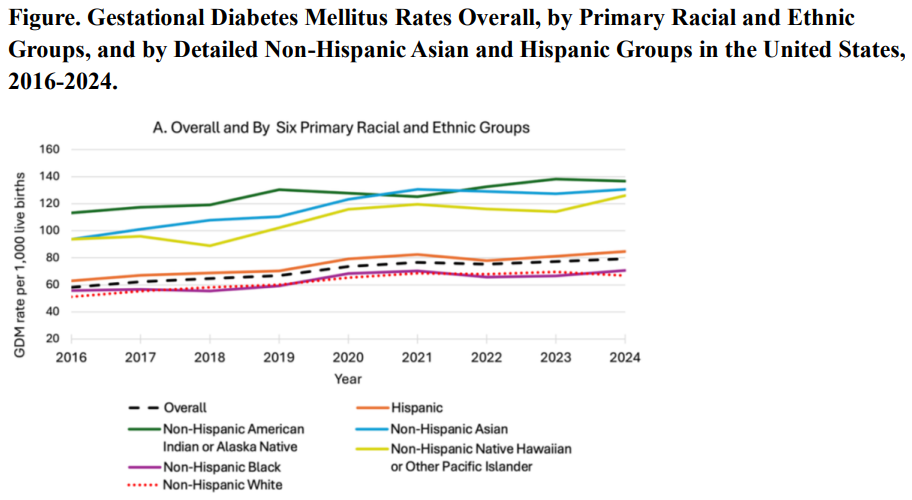
Gestational diabetes, a form of glucose intolerance during pregnancy, occurs primarily in women...

Object-Based Processing: Numbers Confuse How We Perceive Spaces

Researchers recently studied the relationship between numerical information in our vision, and...

Males Are Genetically Wired To Beg Females For Food

Bees have the reputation of being incredibly organized and spending their days making sure our...

User picture.
News StaffRSS Feed of this column.

News Releases From All Over The World, Right To You... Read More »

Blogroll

Mixotrophs are species of algae that act as "plants" when they produce their own food and as “animals” when they eat other plants.

Wanderson Carvalho from the University of Kalmar is studying these algae to understand their potential impact on the environment, the economy and public health issues.

In terrestrial ecosystems, plants are the only living beings capable of producing their own food, thanks to the chlorophyll and other pigments which can capture sunlight energy. With this energy and nutrients (e.g. nitrogen and phosphorus) from land and carbon dioxide from the atmosphere they produce organic material.

Plants are thus producers and belong to the base of the food chain.

Is it possible to scientifically measure someone’s sense of humor? Are there universally good or bad jokes that make people laugh no matter their gender, profession or cultural background?

These are some of the questions answered by the doctoral thesis Sentido del humor: construcción de la escala de apreciación del humor (Sense of humor: building of the appreciation of humor scale), carried out by Hugo Carretero Dios, researcher in the department of Social Psychology and Methodology of Behavioural Science at the University of Granada.


A whole generation of Americans thought Red Skelton was funny but you can't give away his DVDs to young people. How does science explain that?

A new Mayo Clinic study provides evidence that DNA variations largely explain why some persons get Parkinson’s disease while others don’t, and even predict with great accuracy at what age people might develop their first symptoms.

“This represents a major paradigm shift from single gene studies to genomic pathway studies of complex diseases,” says Demetrius Maraganore, M.D., the Mayo Clinic neurologist and Parkinson’s disease specialist who led the study.


Goodness-of-Fit of Final Model Using Axon Guidance Genes to Predict Susceptibility to PD

New research from Colorado State University shows that the function of all genes in mammals is based on circadian – or daily – rhythms. The study refutes the current theory that only 10 percent to 15 percent of all genes were affected by nature’s clock.

While scientists have long known that circadian rhythms regulate the behavior of the living, the study shows that daily rhythm dominates all life functions and particularly metabolism. The new study presents oscillation as a basic property of all genes in the organism as opposed to special function of some genes as previously believed.

Researchers at the University of Pittsburgh have successfully cultured human hematopoietic stem cells from fat tissue, suggesting another important source of cells for patients undergoing radiation therapy for blood cancers.

Adipose tissue has the ability to rapidly expand or contract in accordance with nutritional constraints. In so doing, it requires rapid adjustment in its blood supply and supporting connective tissue, or stroma.

For the first time, a text has been found in Old Persian language that shows the written language in use for practical recording and not only for royal display.

The text is inscribed on a damaged clay tablet from the Persepolis Fortification Archive, now at the Oriental Institute at the University of Chicago. The tablet is an administrative record of the payout of at least 600 quarts of an as-yet unidentified commodity at five villages near Persepolis in about 500 B.C.

“Now we can see that Persians living in Persia at the high point of the Persian Empire wrote down ordinary day-to-day matters in Persian language and Persian script,” said Gil Stein, Director of the Oriental Institute.