
Banner
Social Media Is A Faster Source For Unemployment Data Than Government

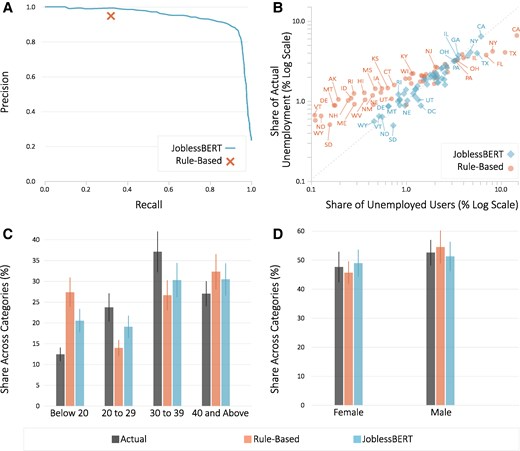
Government unemployment data today are what Nielsen TV ratings were decades ago - a flawed metric...
Gestational Diabetes Up 36% In The Last Decade - But Black Women Are Healthiest

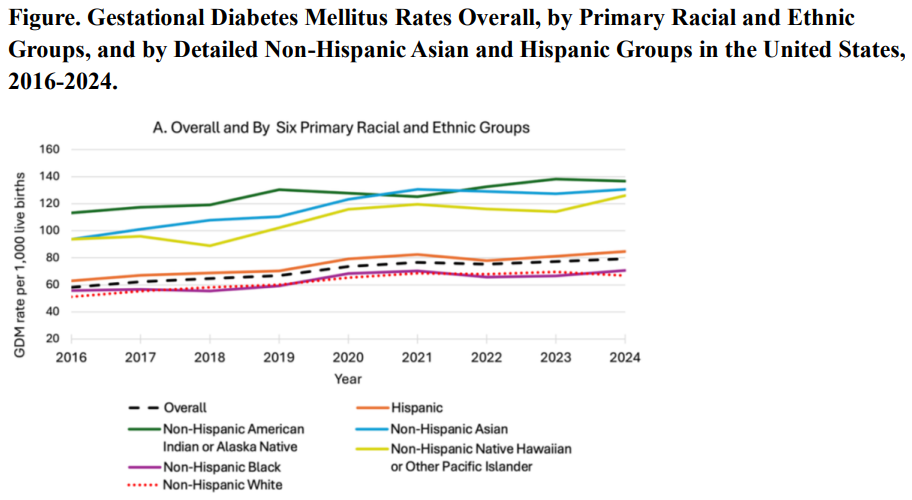
Gestational diabetes, a form of glucose intolerance during pregnancy, occurs primarily in women...
Object-Based Processing: Numbers Confuse How We Perceive Spaces

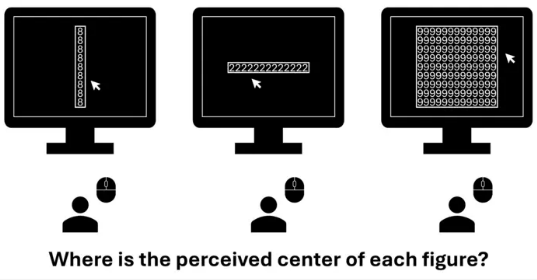
Researchers recently studied the relationship between numerical information in our vision, and...
Males Are Genetically Wired To Beg Females For Food

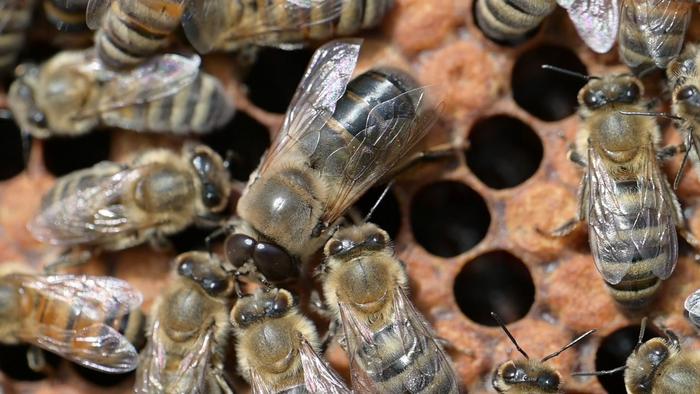
Bees have the reputation of being incredibly organized and spending their days making sure our...

User picture.
News StaffRSS Feed of this column.

News Releases From All Over The World, Right To You... Read More »

Blogroll

Sandia National Laboratories is pioneering the future of superalloy materials by advancing the science behind how those superalloys are made.

As part of Sandia’s nanoscale research, a group of experts specializing in inorganic synthesis and characterization, modeling, and radiation science have designed a radical system of experiments to study the science of creating metal and alloy nanoparticles.


CLICK IMAGE FOR FULL SIZE.

A young star’s strange elliptical ring of dust likely heralds the presence of an undiscovered Neptune-sized planet, says a University of Rochester astronomer

Stars in the early stages of life are surrounded by dust clouds that thin out and dissipate as the star reaches maturity, becoming rings in their final stages. One star, however, has a dust ring that has long puzzled astronomers because it is not centered around the star as usual. Instead, the ring is elliptical, with the parent star off to one side.


Hubble image of Fomalhaut and ring. Credit: NASA

It's no secret that humans can recognize siblings on a biological level. Now it turns out plants can also, according to biologists at McMaster University. Even more, they get downright competitive with strangers of the same species.

“The ability to recognize and favour kin is common in animals, but this is the first time it has been shown in plants” said Susan Dudley, associate professor of biology at McMaster University in Hamilton, Canada. “When plants share their pots, they get competitive and start growing more roots, which allows them to grab water and mineral nutrients before their neighbours get them.

A team of researchers led by University of Virginia Health System geneticists has uncovered a major secret in the mystery of how the DNA helix replicates itself time after time.

It turns out that it is not just the sequence of the bases (building blocks) in the DNA, but also how loosely or tightly the chromatin (the material that makes up chromosomes) is packed at different points of the chromosome that is critical.

Human-caused nitrogen deposition has been indirectly “fertilizing” forests, increasing their growth and sequestering major amounts of carbon, a new study suggests.

The findings create a more complex view of the carbon cycle in forests, where it was already known that logging or other stand-replacement events – whether natural or not – create periods of 5-20 years when there is a net release of carbon dioxide from forests to the atmosphere, instead of sequestration as they do later on.

A decade or so ago, a spate of high profile legal cases arose in which people were accused, and often convicted, on the basis of “recovered memories.” These memories, usually recollections of childhood abuse, arose years after the incident occurred and often during intensive psychotherapy.

So how accurate are recovered memories? The answer is not so clear. In fact, this question has lead to one of the most contentious issues in the fields of psychology and psychiatry.





