
Banner
Social Media Is A Faster Source For Unemployment Data Than Government

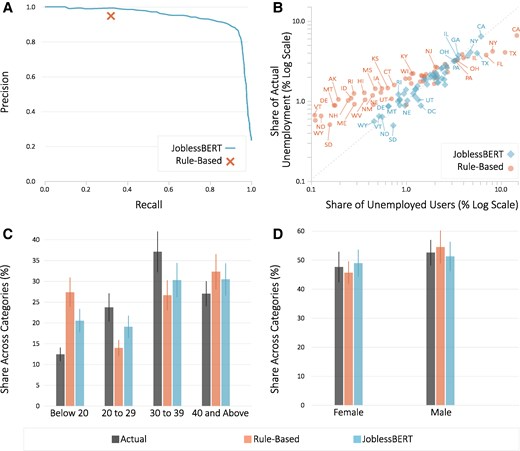
Government unemployment data today are what Nielsen TV ratings were decades ago - a flawed metric...
Gestational Diabetes Up 36% In The Last Decade - But Black Women Are Healthiest

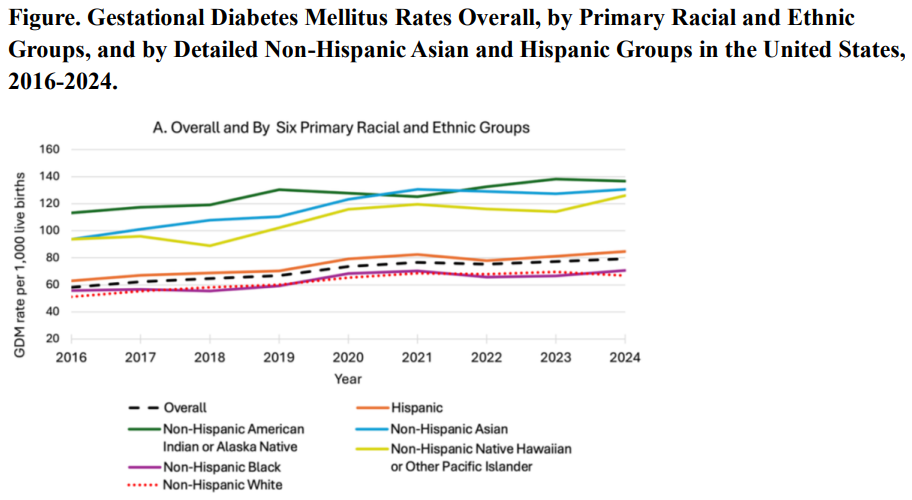
Gestational diabetes, a form of glucose intolerance during pregnancy, occurs primarily in women...
Object-Based Processing: Numbers Confuse How We Perceive Spaces

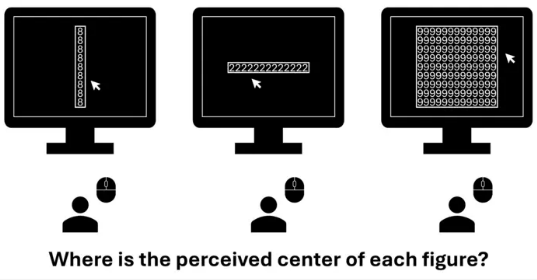
Researchers recently studied the relationship between numerical information in our vision, and...

Males Are Genetically Wired To Beg Females For Food

Bees have the reputation of being incredibly organized and spending their days making sure our...

User picture.
News StaffRSS Feed of this column.

News Releases From All Over The World, Right To You... Read More »

Blogroll

Carbon monoxide (CO) poisoning kills over 200 people every year in the United States. Although inexpensive CO detectors have been available since 1989, their use in hotels, motels and resorts is not widespread. In fact, while every guest room in the U.S. must contain a smoke detector, there is no federal mandate for CO detectors.

While recent advances in neurosurgery have made it possible to precisely target areas in the brain with minimum invasiveness -- using a small hole to insert a probe, needle or catheter -- there remains a disadvantage. The small size of the openings reduces or eliminates direct site visibility and requires greater dexterity, stability and precision by the surgeon.


Prof. Leo Joskowicz

A groundbreaking surgical therapy capable of stabilising and restoring vision in the vast majority of patients who currently suffer blindness through Age-Related Macular Degeneration (AMD) is to be taken to clinical trial by scientists and clinicians at the UCL Institute of Ophthalmology, Moorfields Eye Hospital and the University of Sheffield.

The therapy, using cells derived from human embryonic stem cells to replace the faulty retinal cells that cause AMD, will be developed by the London Project to Cure AMD, a collaborative project launched today bringing together some of the leading specialists in the field.

Paying hospitals extra money does not appear to significantly improve the way they treat heart attack patients or how well those patients do. But giving hospitals the information that they need to improve heart attack care does help.

A team of researchers led by the Duke Clinical Research Institute looked at whether financial incentives to hospitals for adhering to specific treatment guidelines would improve patient outcomes. They found no evidence that financial incentives were associated with improved outcomes, nor that hospitals had shifted their focus from other areas in order to concentrate on the areas being evaluated for possible increased payments.

Birth weight has significant and lasting effects, a new study finds. Weighing less than 5.5 pounds at birth increases the probability of dropping out of high school by one-third, reduces yearly earnings by about 15 percent and burdens people in their 30s and 40s with the health of someone who is 12 years older.

Researchers have discovered a completely new way to treat stroke and head trauma victims, potentially saving the lives of numerous such patients. The discovery was made by the NordForsk-financed Nordic Centre of Excellence on Water Imbalance Related Disorders (WIRED).




