
Banner
Social Media Is A Faster Source For Unemployment Data Than Government

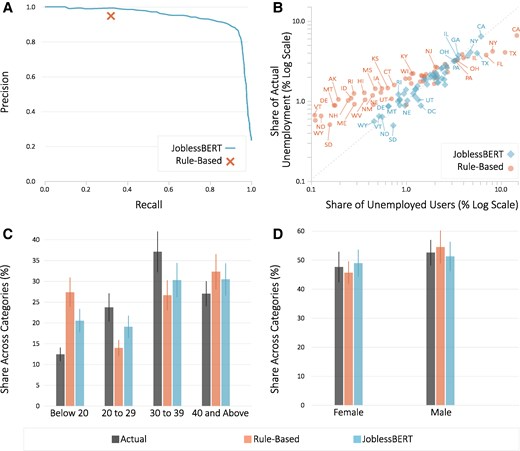
Government unemployment data today are what Nielsen TV ratings were decades ago - a flawed metric...
Gestational Diabetes Up 36% In The Last Decade - But Black Women Are Healthiest

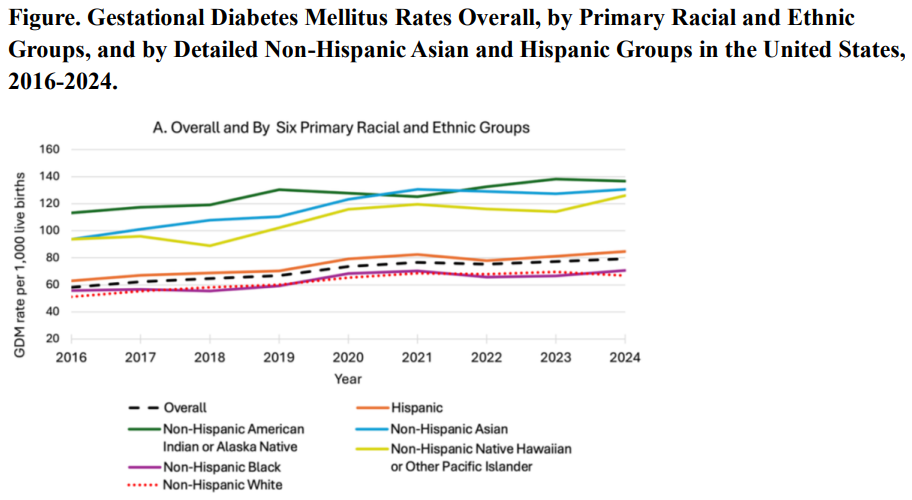
Gestational diabetes, a form of glucose intolerance during pregnancy, occurs primarily in women...
Object-Based Processing: Numbers Confuse How We Perceive Spaces

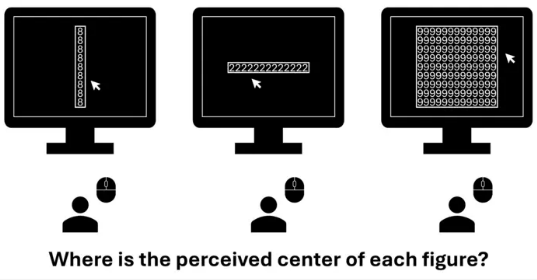
Researchers recently studied the relationship between numerical information in our vision, and...

Males Are Genetically Wired To Beg Females For Food

Bees have the reputation of being incredibly organized and spending their days making sure our...

User picture.
News StaffRSS Feed of this column.

News Releases From All Over The World, Right To You... Read More »

Blogroll

It’s totally understandable to feel ambivalent when presented with both positive and negative evidence. However, people often feel ambivalent even when all the news is good or bad, anticipating conflict before it arises. The first empirical demonstration of this reaction appears in new study from the June issue of the Journal of Consumer Research.

“Many people recognize that there are often two sides to every story and that nothing is perfect (or completely worthless),” explains Joseph R. Priester (University of Southern California), Richard E. Petty (Ohio State University) and Kiwan Park (Sungkyunkwan University, South Korea).

Why does foreign money often feel like play money to travelers" Just in time for summer vacation season, an important new study from the June issue of the Journal of Consumer Research examines why spending patterns abroad deviate so much from what we spend at home.

Klaus Wertenbroch (INSEAD, France), Dilip Soman (University of Toronto), and Amitava Chattopadhyay (INSEAD, Singapore) argue that problems arise from a fundamental mistake in how people perceive the value of currency, known as money illusion. The numerical value printed on a bill affects our perceptions of its real purchasing power, biasing consumer judgment during periods of inflation or when using foreign currencies.

Researchers tied the accumulation of the toxic brain protein beta-amyloid to Alzheimer's disease, according to a new study.

"Our findings show that beta-amyloid is associated with brain dysfunction—even in apparently normal elderly individuals—providing further evidence that it is likely related to the fundamental cause of Alzheimer's disease," said Christopher Rowe, director of the nuclear medicine department and Centre for PET at Austin Hospital in Melbourne, Victoria, Australia.

Indiana University neuroscientists Olaf Sporns and Christopher Honey find the 98 percent of brain activity that other researchers consider just background noise to be fascinating and important.

Brains are always active, even when people are at rest. In this "resting state," waves of neural activity ripple through the brain, creating fluctuating and ever-changing patterns. Sporns and Honey's work on modeling this brain activity sheds new light on how and when these mysterious fluctuations occur and offers insights into what the brain does while idle.

Global warming and the destruction of natural habitats will lead to significant declines and extinctions in the world’s 8,750 terrestrial bird species over the next century, according to a study conducted by biologists at the University of California, San Diego and Princeton University.

Their study, the first global assessment of how climate change and habitat destruction may interact to impact the distribution of a large group of vertebrates over the next century, appears in the June 5 issue of the journal PLoS Biology.

Researchers at the Stanford University School of Medicine have illuminated the path taken by human neural stem cells that were transplanted into the brains of rats and mice, and found that the cells successfully navigate toward areas damaged by stroke.

The research group placed miniscule particles of iron inside stem cells to act as cellular beacons detected by magnetic resonance imaging. With the ability to monitor where the human stem cells go in real time, researchers will have an easier time learning the best way of using the cells to treat human neural disorders, such as stroke, traumatic brain injury, Parkinson's disease or radiation damage.




