
Banner
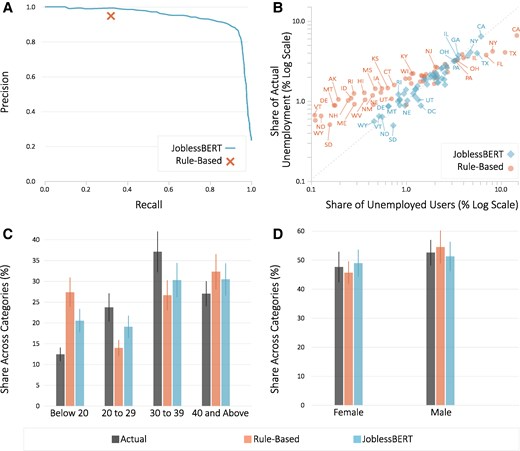
Social Media Is A Faster Source For Unemployment Data Than Government

Government unemployment data today are what Nielsen TV ratings were decades ago - a flawed metric...
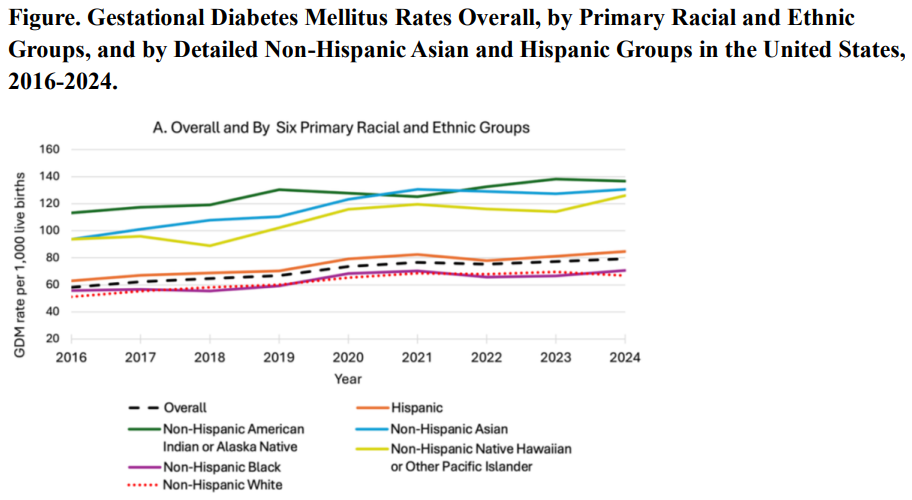
Gestational Diabetes Up 36% In The Last Decade - But Black Women Are Healthiest

Gestational diabetes, a form of glucose intolerance during pregnancy, occurs primarily in women...

Object-Based Processing: Numbers Confuse How We Perceive Spaces

Researchers recently studied the relationship between numerical information in our vision, and...

Males Are Genetically Wired To Beg Females For Food

Bees have the reputation of being incredibly organized and spending their days making sure our...

User picture.
News StaffRSS Feed of this column.

News Releases From All Over The World, Right To You... Read More »

Blogroll

Particles of light serving as “quantum keys”—the latest in encryption technology—have been sent over a record-setting 200-kilometer fiber-optic link by researchers from the National Institute of Standards and Technology (NIST), NTT Corp. in Japan, and Stanford University.

The experiment, using mostly standard components and transmitting at telecommunications frequencies, offers an approach for making practical inter-city terrestrial quantum communications networks as well as long-range wireless systems using communication satellites.

Scientists at the University of Liverpool have found that humans’ ability to walk upright developed from ancestors foraging for food in forest tree tops and not from walking on all fours on open land.

It was traditionally thought that humans became upright walkers in a slow process which had its origins in ‘knuckle-walking’ – movement on all fours – just as chimpanzees and gorillas walk today. It was believed that this developed once human ancestors moved out of the forests into the savannahs of East Africa.

A new test for diagnosing Tuberculosis offers a quick and simple alternative to existing three-day methods, according to research published today in the journal Clinical Infectious Diseases.

The study shows that the test, which involves taking three sputum samples from a patient over the course of one day, is just as effective as other more invasive and complicated testing methods, which take three days.

The doctoral thesis Potencial terapéutico de nuevos fármacos antitumorales. Estudio sobre líneas celulares epiteliales (Therapeutic Potential of New Antitumor Drugs. A Study on Epithelial Cell Lines) has allowed for the development of six new drugs to fight colon and breast cancer more effectively than other currently used drugs. The study was conducted at the Department of Human Anatomy and Embryology at the University of Granada by Octavio Caba Pérez, member of the research group "Avances en Biomedicina" (Progress in Biomedicine), under the direction of professors Antonia Aránega, Juan Antonio Marchal and Fernando Rodríguez.

Aspirin didn’t pan out. Neither did two other potential anti-aging agents. But a synthetic derivative of a pungent desert shrub is now a front- runner in ongoing animal experiments to find out if certain chemicals, known to inhibit inflammation, cancer and other destructive processes, can boost the odds of living longer.

University of Michigan scientist Richard A. Miller reports early results from a mouse study his lab and two others are conducting for the National Institute on Aging. The study, now in its fourth year, will test as many as two dozen possible anti-aging agents in animals in the next five years.

A team of scientists from the University of Rochester Medical Center show that a key inflammatory regulator, a known villain when it comes to parsing out damage after a stroke and other brain injuries, seems to do the opposite in Alzheimer’s disease, protecting the brain and helping get rid of clumps of material known as plaques that are a hallmark of the disease.





