Banner
E. Coli Linked To Diabetic Foot Infections Gets Worldwide Analysis

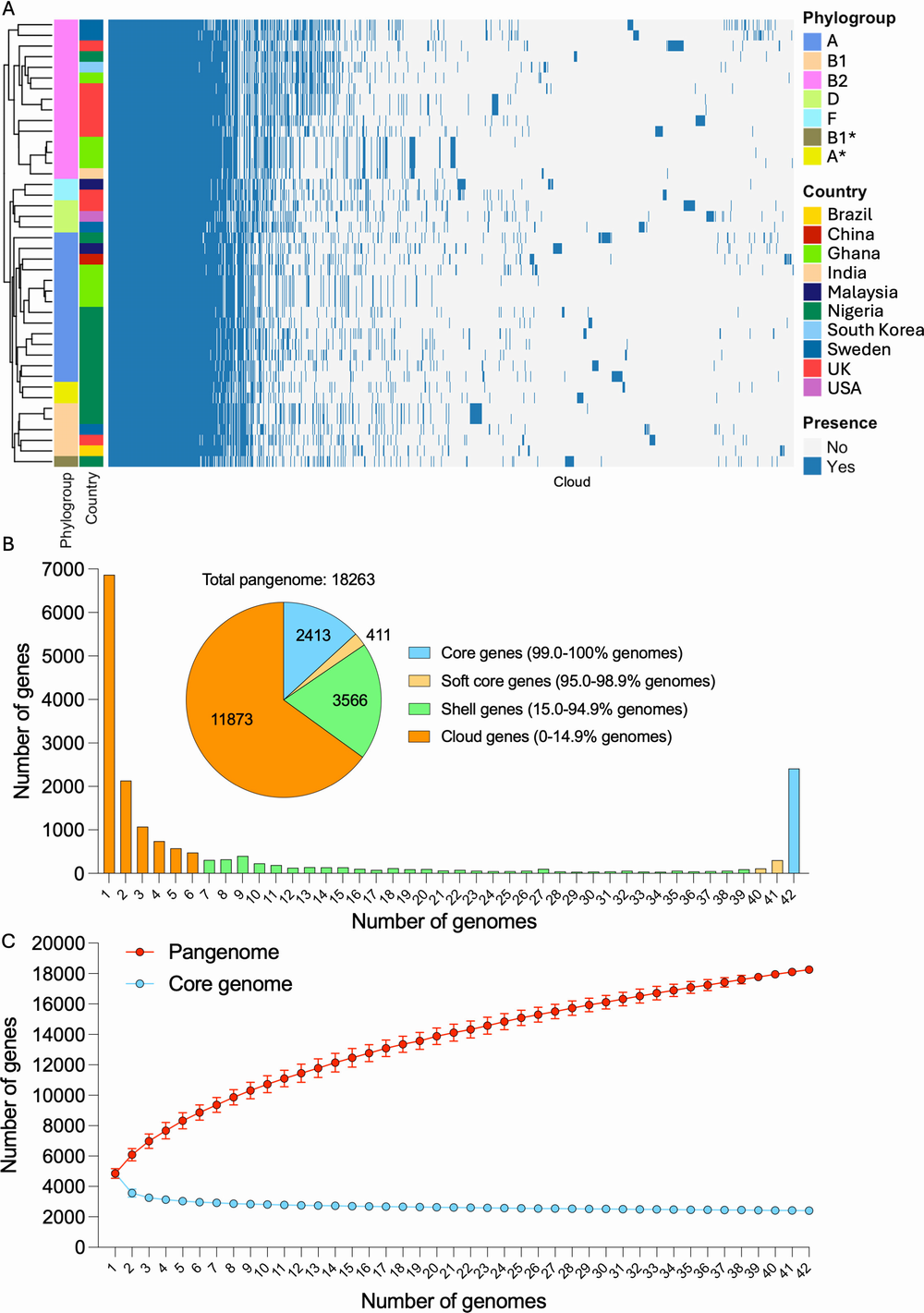
Diabetic foot infections are a serious complications of diabetes and a leading cause of lower-limb...

Social Media Is A Faster Source For Unemployment Data Than Government

Government unemployment data today are what Nielsen TV ratings were decades ago - a flawed metric...

Gestational Diabetes Up 36% In The Last Decade - But Black Women Are Healthiest

Gestational diabetes, a form of glucose intolerance during pregnancy, occurs primarily in women...

Object-Based Processing: Numbers Confuse How We Perceive Spaces

Researchers recently studied the relationship between numerical information in our vision, and...

User picture.
News StaffRSS Feed of this column.

News Releases From All Over The World, Right To You... Read More »

Blogroll

Scientists in New York are reporting development of a new biodegradable “nanohybrid” plastic that can be engineered to decompose much faster than existing plastics used in everything from soft drink bottles to medical implants. The study is scheduled for the Nov. issue of ACS’ Biomacromolecules.

The plastic is a modified form of polyhydroxybutyrate (PHB), a promising biodegradable plastic produced from bacteria that has been widely hailed as a “green” alternative to petroleum-based plastic for use in packaging, agricultural and biomedical applications. Although commercially available since the 1980s, PHB has seen only limited use because of its brittleness and unpredictable biodegradation rates.

A bioprospecting expedition to Iceland’s famed hot springs has yielded new strains of bacteria with potential of producing hydrogen and ethanol fuels from wastewater now discharged from factories that process sugar beets, potatoes and other plant material. The microbes hold potential for combining energy production with wastewater treatment, according to a report on the discovery scheduled for the Jan./Feb. issue of ACS’ Energy & Fuels.

In the study, Perttu E. P. Koskinen and colleagues point out that ethanol and hydrogen are two leading eco-friendly candidates for supplementing world supplies of oil, coal, and other conventional fuels.

Scientists in Pennsylvania are reporting development of a fuel cell that uses pollution from coal and metal mines to generate electricity, solving a serious environmental problem while providing a new source of energy. They describe successful tests of a laboratory-scale version of the device in a study scheduled for the Dec. 1 issue of ACS’ Environmental Science & Technology.

In the new study, Bruce E. Logan and colleagues point out that so-called acid-mine drainage (AMD) is a serious environmental problem that threatens the health of plants and animals as well as the safety of drinking-water supplies, due mainly to the high acidity of contaminated waters and its high content of metals, particularly iron.

Males with twin sisters are more likely to develop anorexia nervosa than other males, including males with a twin brother. Does exposure to female sex hormones in the womb increase the risk of getting it? If so, is anorexia a sex steroid hormone issue rather than strictly a psychological one?

“Anorexia nervosa is approximately 10 times more common in females than in males,” write study authors in the Archives of General Psychiatry. “The reasons for this difference are not known, and it is likely that their unraveling will represent an important step forward in the understanding of the etiopathogenetic factors involved in the development of eating disorders.”

A series of studies presented today at the American College of Neuropsychopharmacology (ACNP) annual meeting elucidates evidence that there is a genetic link between schizophrenia and cancer, providing a surprising possible scientific explanation for lower rates of cancer among patients with schizophrenia – despite having poor diets and high rates of smoking – and their parents.

Researchers at the National Institute for Mental Health (NIMH) emphasize that many of the genes associated with schizophrenia are the same as the genes associated with cancer, but that the cells that have these genes use them in opposite ways in the two disorders.

Brain overgrowth in the latter part of an infant’s first year may contribute to the onset of autistic characteristics, according to research presented at the American College of Neuropsychopharmacology (ACNP) annual meeting. These findings support concurrent research which has found brain overgrowth in autistic children as young as two years old.

Lead researcher Joseph Piven, M.D., Director of the Neurodevelopmental Disorders Research Center at the University of North Carolina, Chapel Hill and an ACNP member, says that behavioral studies of infants at high risk for autism suggest that the onset of most behavioral symptoms which define the disorder, such as problems with and social interaction, also occur at about age one.