Banner
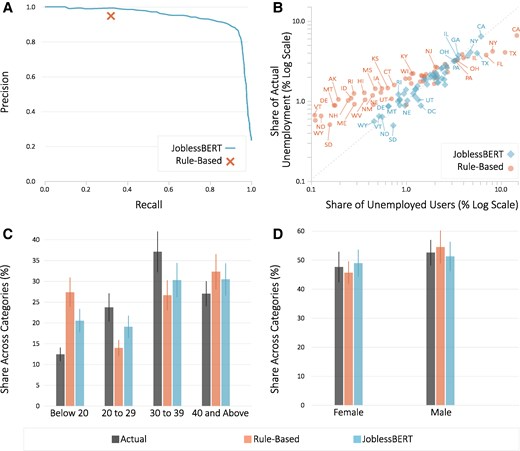
Social Media Is A Faster Source For Unemployment Data Than Government

Government unemployment data today are what Nielsen TV ratings were decades ago - a flawed metric...
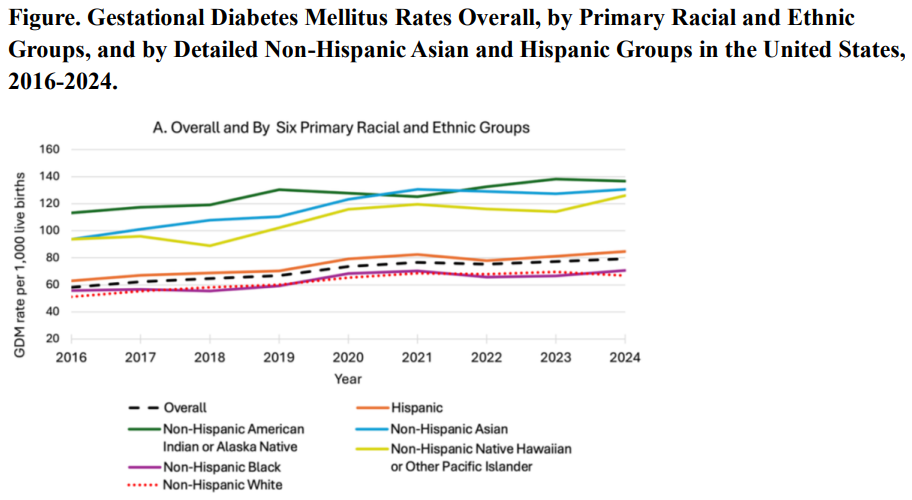
Gestational Diabetes Up 36% In The Last Decade - But Black Women Are Healthiest

Gestational diabetes, a form of glucose intolerance during pregnancy, occurs primarily in women...
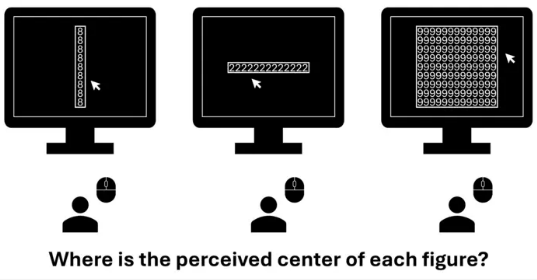
Object-Based Processing: Numbers Confuse How We Perceive Spaces

Researchers recently studied the relationship between numerical information in our vision, and...
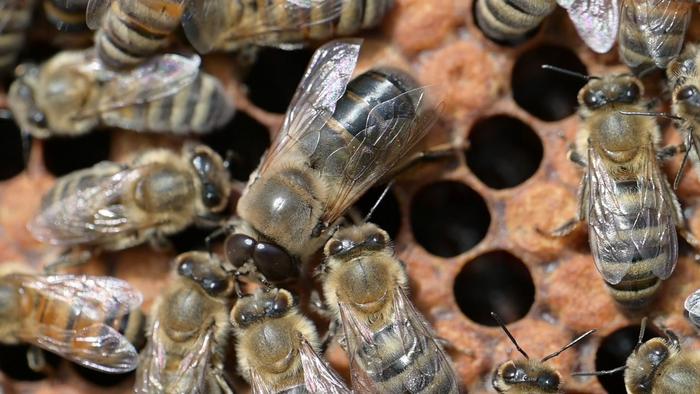
Males Are Genetically Wired To Beg Females For Food

Bees have the reputation of being incredibly organized and spending their days making sure our...

User picture.
News StaffRSS Feed of this column.

News Releases From All Over The World, Right To You... Read More »

Blogroll

A nationwide study examining the safety of Tasers® used by law enforcement agencies suggests the devices are safe, causing a low occurrence of serious injuries.

“This study is the first large, independent study of injuries associated with Tasers. It is the first injury epidemiology study to review every Taser deployment and to reliably assess the overall risk and severity of injuries in real world conditions,” said William Bozeman, M.D., the lead investigator and an emergency medicine specialist at Wake Forest University School of Medicine. “The injury rate is low and most injuries appear to be minor. These results support the safety of the devices.”

Bozeman will present the study results at the American College of Emergency Physicians’ Research Forum in Seattle, Wash., Oct. 8.

Fashionista’s after the latest in leather bags could soon have a ‘greener’ selection to choose from. Scientists in India have modified the tanning process making it far more eco-friendly, reports Anne Pichon in Chemistry & Industry.

Tanning is a complex chemical process used to transform perishable raw hides and skins into durable leather. Unfortunately, as a result, high levels of pollution are released into the water. Raghava Rao and his team at the Central Leather Research Institute (CLRI) in Adyar have modified the process to make it into an eco-friendly, cost-efficient method.

The Internet, personal computers, word processing and spreadsheets are so embedded in today’s society that it’s hard to remember that just 35 years ago they didn’t exist.

Thomas Haigh, assistant professor of information studies at the University of Wisconsin-Milwaukee, is among a very small number of computer experts in the world who are also historians, studying the role of technology in broader social change. These new experts are tracing how computers have changed business and society.

Researching late 20th century technology has given Haigh the opportunity to talk to many pioneers who developed both computers and the software that powers them.

The "health halos" of healthy restaurants often prompt consumers to treat themselves to higher-calorie side dishes, drinks or desserts than when they eat at fast-food restaurants that make no health claims, according to a series of new Cornell studies.

The research, published in the October online version of the Journal of Consumer Research, found that many people also tend to underestimate by 35 percent just how many calories those so-called healthy restaurant foods contain.

Marijuana and its main psychoactive component, THC, exert a plethora of behavioral and autonomic effects on humans and animals.

Some of these effects are the cause of the widespread illicit use of marijuana, while others might be involved in the potential therapeutic use of this drug for the treatment of several neuronal disorders. The great majority of these effects of THC are mediated by cannabinoid receptor type 1 (CB1), which is abundantly expressed in the central nervous system. The exact anatomical and neuronal substrates of each action, however, were previously unknown.

Using an advanced genetic approach, Krisztina Monory and colleagues at the Johannes Gutenberg University Mainz discovered that specific neuronal subpopulations mediate the distinct effects of THC.

A team of researchers from China and the University of Oregon have developed an approach for neuroscientists to study how meditation might provide improvements in a person's attention and response to stress.

The study, done in China, randomly assigned college undergraduate students to 40-person experimental or control groups. The experimental group received five days of meditation training using a technique called the integrative body-mind training (IBMT). The control group got five days of relaxation training. Before and after training both groups took tests involving attention and reaction to mental stress.