
Banner
Social Media Is A Faster Source For Unemployment Data Than Government

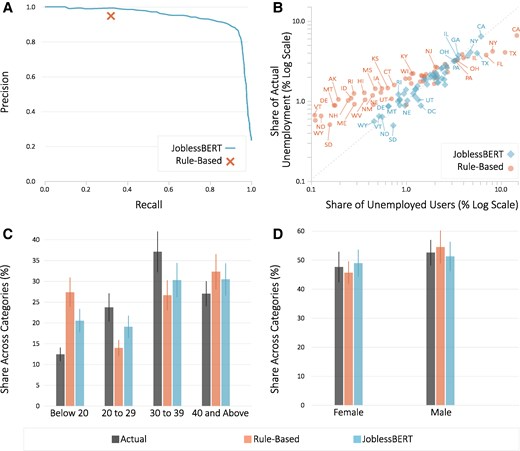
Government unemployment data today are what Nielsen TV ratings were decades ago - a flawed metric...

Gestational Diabetes Up 36% In The Last Decade - But Black Women Are Healthiest

Gestational diabetes, a form of glucose intolerance during pregnancy, occurs primarily in women...

Object-Based Processing: Numbers Confuse How We Perceive Spaces

Researchers recently studied the relationship between numerical information in our vision, and...

Males Are Genetically Wired To Beg Females For Food

Bees have the reputation of being incredibly organized and spending their days making sure our...

User picture.
News StaffRSS Feed of this column.

News Releases From All Over The World, Right To You... Read More »

Blogroll

It sounds creepy but fetal microchimerism, fetal cells that persist in a woman’s body long after pregnancy, may reduce the woman’s risk of breast cancer, say researchers at the University of Washington and Fred Hutchinson Cancer Research Center.

Their findings are presented in the October 1 issue of Cancer Research.

The ability of cells from a growing fetus to take up long-term residence within its mother has been implicated as a mechanism of autoimmune disease but the researchers say it may also benefit mothers by putting the immune system on alert for malignant cells to destroy.

It used to be common to hear criticism about the FDA not approving new drugs fast enough, usually something that had been 'used in Europe' without issue.

That changed in 2004 with the Clinical Trials Directive, which came into force in May of that year in order to create a harmonized framework for clinical drug research across Europe, and some academics say it will make European schools also-rans in the research community.

Many sponsor organisations, commercial and non-commercial alike, have criticised the Directive for the enormous increase in administrative burdens and cost that complying with it imposes.

Sociology studies often contend that crime rate and budget alone do not account for the size of an area’s police force.

Police forces tend to be larger in areas where blacks comprise a larger percentage, and many sociologists have attributed this to racial attitudes, specifically the white population’s perceptions of threat.

A new study attempts to empirically examine this premise and concluded that while direct measures of anti-black prejudice are not correlated to police size, whites’ fear of crime and perceived economic threat still somehow account for more than one-third of the effect of the proportion of black residents on police force size. No evidence but they are still sure it must be true?

Welcome to modern sociology.

A report(1) released today by the Eurasian Harm Reduction Network (EHRN)(i) highlights the significant inconsistencies that exist in hepatitis C (HCV) diagnosis and treatment across Europe and beyond. In recognition of World Hepatitis Awareness Day, patient groups around the globe are united in their call for action.

The report indicates that in some European countries it is estimated that more than 90% of people who are infected with HCV have not been diagnosed (Germany 90%; Poland 98%)(ii). Not only does this put many people at risk of long-term liver damage, it also means that they may unknowingly transmit the virus to others.

The first step in the development of colon cancer is the formation of benign tumours, called adenomas, in the intestine. Over time, these tumours may progress to produce colon cancer if they undergo a series of mutations and genetic alterations.

Researchers at IRB Barcelona under the direction of Eduard Batlle, ICREA researcher and head of IRB Barcelona’s Oncology Programme, have discovered a new mechanism by which the benign tumour cells receive instructions to grow in confined compartments, and no to invade other areas of the tissue. The description of this new tumour suppression mechanism is reported in Nature Genetics.

Tiny pieces of genetic material called microRNA (miRNA), better known for its roles in cancer, could be a key to unlocking the secrets of how HIV, the AIDS virus, evades detection, hiding in the immune system. Researchers at Jefferson Medical College in Philadelphia have shown that when an individual infected with HIV receives a powerful cocktail of antiviral agents called HAART (highly active antiretroviral therapy), the virus calls on miRNAs to help it remain quiet and practically undetectable, temporarily shutting down its ability to replicate and infect.

The work may also have implications for new treatment strategies against the virus.



