Banner
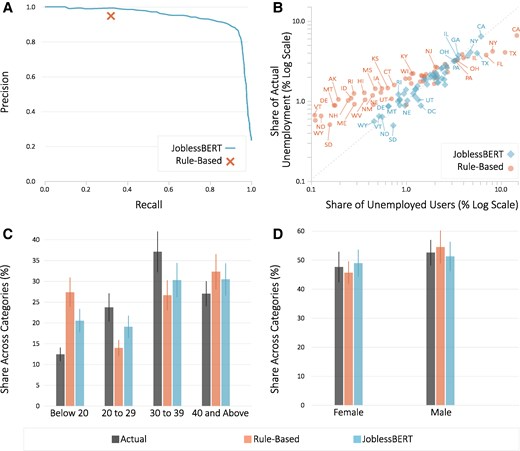
Social Media Is A Faster Source For Unemployment Data Than Government

Government unemployment data today are what Nielsen TV ratings were decades ago - a flawed metric...
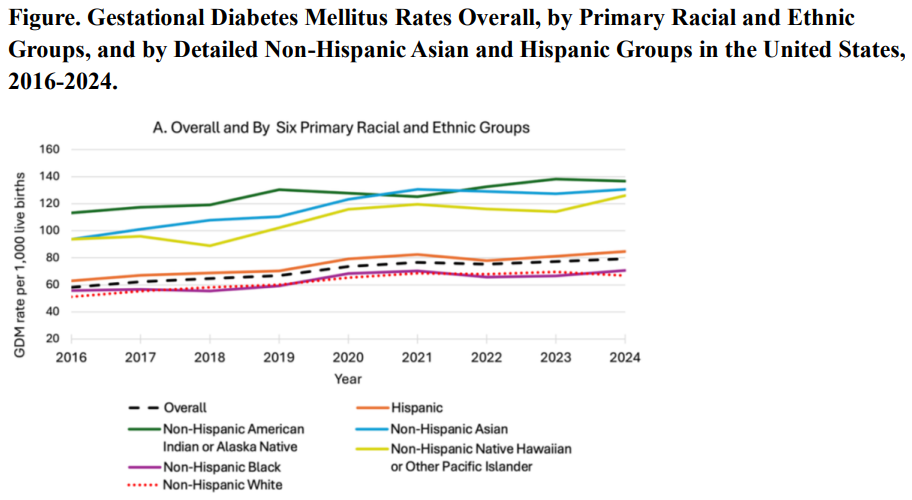
Gestational Diabetes Up 36% In The Last Decade - But Black Women Are Healthiest

Gestational diabetes, a form of glucose intolerance during pregnancy, occurs primarily in women...
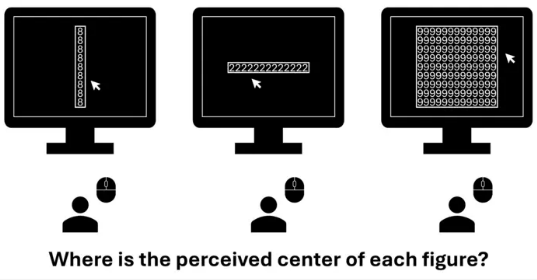
Object-Based Processing: Numbers Confuse How We Perceive Spaces

Researchers recently studied the relationship between numerical information in our vision, and...
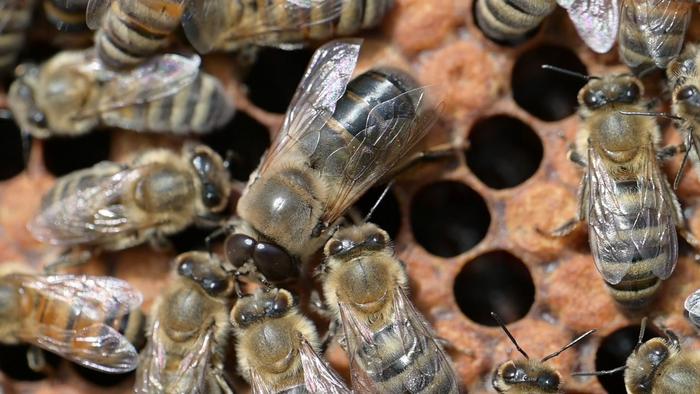
Males Are Genetically Wired To Beg Females For Food

Bees have the reputation of being incredibly organized and spending their days making sure our...

User picture.
News StaffRSS Feed of this column.

News Releases From All Over The World, Right To You... Read More »

Blogroll

A new study finds that young girls and women are more likely to believe that negative past events predict future events, compared to boys and men. And that, according to researchers, may help explain why females have more frequent and intense worries, perceive more risk, have greater intolerance for uncertainty, and experience higher rates of anxiety than males.

In two studies involving 128 people, a researcher investigated 3- to 6-year-olds’ as well as adults’ knowledge that worry and preventative behaviors can be caused by thinking that a negative event from the past will or might reoccur in the future.

Immigration, official language policies, and changing cultural norms mean that many infants are being raised bilingually. Because nearly all experimental work in infant language development has focused on children who are monolingual, relatively little is known about the learning processes involved in acquiring two languages from birth.

A new study showed infants who are raised in bilingual homes learned two similar-sounding words in a laboratory task at a later age than babies who are raised in homes where only one language is spoken.

In its ability to learn, the cockroach is a moron in the morning and a genius in the evening.

Dramatic daily variations in the cockroach’s learning ability were discovered by a new study performed by Vanderbilt University biologists and published online this week in the Proceedings of the National Academy of Sciences.

“This is the first example of an insect whose ability to learn is controlled by its biological clock,” says Terry L. Page, the professor of biological sciences who directed the project. Undergraduate students Susan Decker and Shannon McConnaughey also participated in the study.

Chips from 10 million years ago have revealed new insights into fish diets and their influence on fish evolution, according to new research. The chips were found, along with scratches, on the teeth of fossil stickleback fish and reveal for the first time how changes in the way an animal feeds control its evolution over thousands of years.

This kind of study, which was funded by the Natural Environment Research Council, has previously not been possible because although fossils preserve direct evidence of evolutionary change over thousands and millions of years, working out exactly what a long-dead fossil animal was eating when it was alive, and establishing a link between feeding and evolution, is very difficult.

Deep-sea temperatures rose 1,300 years before atmospheric CO2, ruling out the greenhouse gas as the driver of the meltdown, says a new study.

“There has been this continual reference to the correspondence between CO2 and climate change as reflected in ice core records as justification for the role of CO2 in climate change,” said USC geologist Lowell Stott, lead author of the study, published in Science. “You can no longer argue that CO2 alone caused the end of the ice ages.”

Stott is an expert in paleoclimatology and was a reviewer for the Intergovernmental Panel on Climate Change ( IPCC ). He also recently co-authored a paper in Geophysical Research Letters tracing a 900-year history of monsoon variability in India.

A new study by Norwegian researchers investigating how cancer influences divorce found that most types of cancer resulted in a slight decrease in the divorce rate in the first few years following the diagnosis - except cervical or testicular cancer.

The somewhat double-edged good news: the study found that divorce was least likely to occur when the cancer had spread or for types of cancer that have a poor prognosis, and more likely in cancers with a good chance of recovery.

In other words, your spouse is more likely to stick it out if you're going to die anyway.

The research, which compared the divorce rates of 215,000 cancer survivors with those among couples with no cancer over a period of about 17 years, revealed that women who developed cervical cancer were 40 percent more lik