Banner
Social Media Is A Faster Source For Unemployment Data Than Government

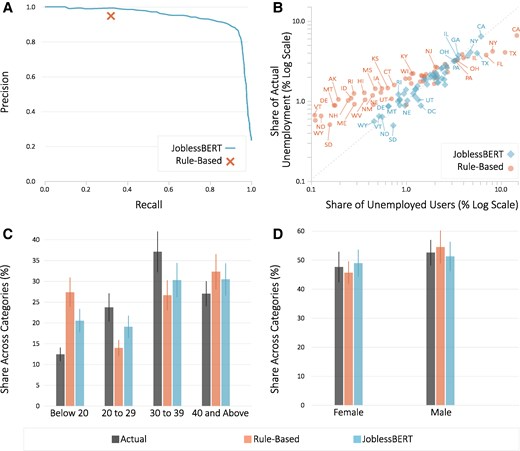
Government unemployment data today are what Nielsen TV ratings were decades ago - a flawed metric...
Gestational Diabetes Up 36% In The Last Decade - But Black Women Are Healthiest

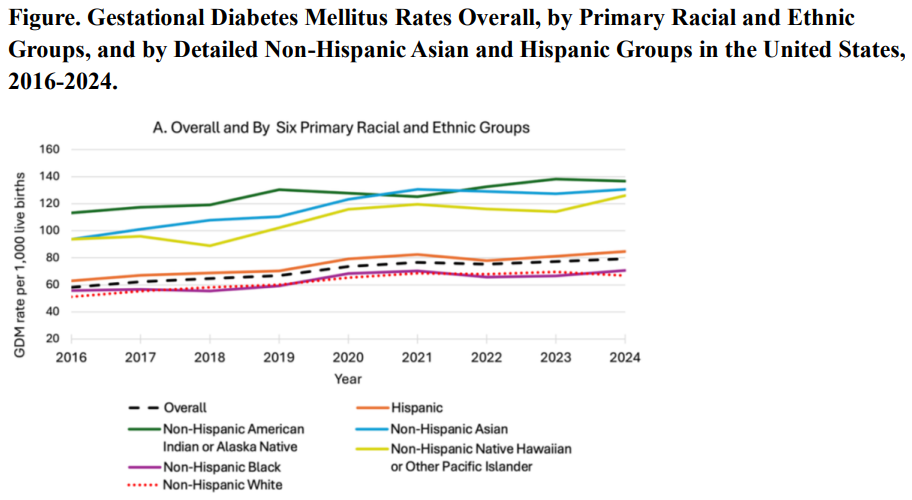
Gestational diabetes, a form of glucose intolerance during pregnancy, occurs primarily in women...
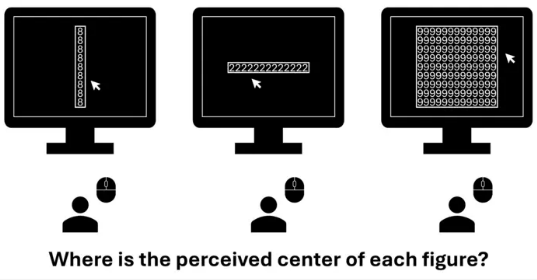
Object-Based Processing: Numbers Confuse How We Perceive Spaces

Researchers recently studied the relationship between numerical information in our vision, and...
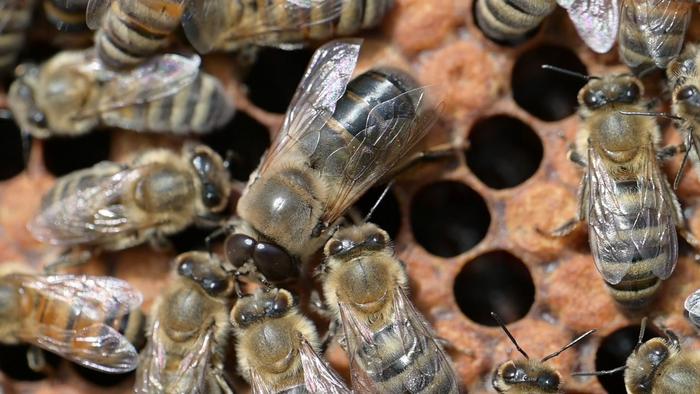
Males Are Genetically Wired To Beg Females For Food

Bees have the reputation of being incredibly organized and spending their days making sure our...

User picture.
News StaffRSS Feed of this column.

News Releases From All Over The World, Right To You... Read More »

Blogroll

How do we choose our mates? Some scientists have suspected that it is not for looks or fashion or love but rather, genes.

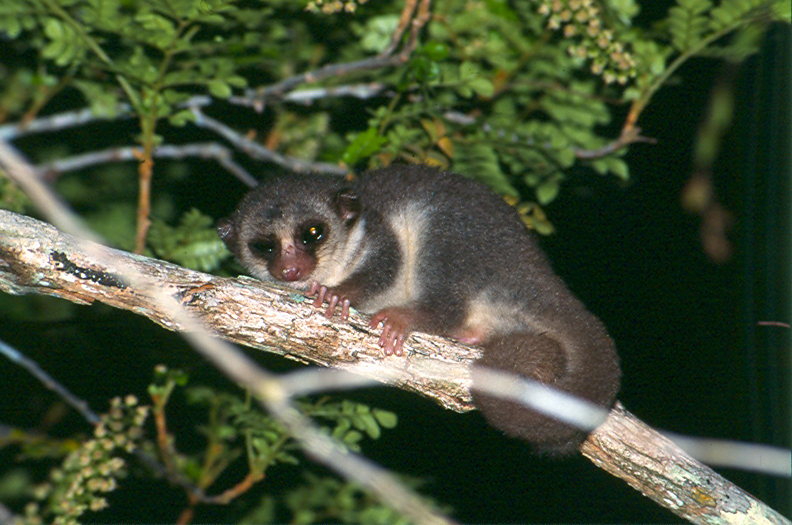
A new study provides support for this idea by looking at lemurs in Madagaskar. Female fat-tailed dwarf lemurs (Cheirogaleus medius) live in life-long pairs, yet notoriously cheat on their partners to improve the genetic fitness of their offspring.

The team headed by Prof. Simone Sommer looked for possible genetic benefits in the obligate pair-living fat-tailed dwarf lemur which maintains life-long pair bonds but has an extremely high rate of extra-pair paternity. Possible mechanisms of female mate choice were investigated by analyzing overall genetic variability as well as a marker of adaptive significance (major histocompatibility complex, MHC-DRB exon 2).

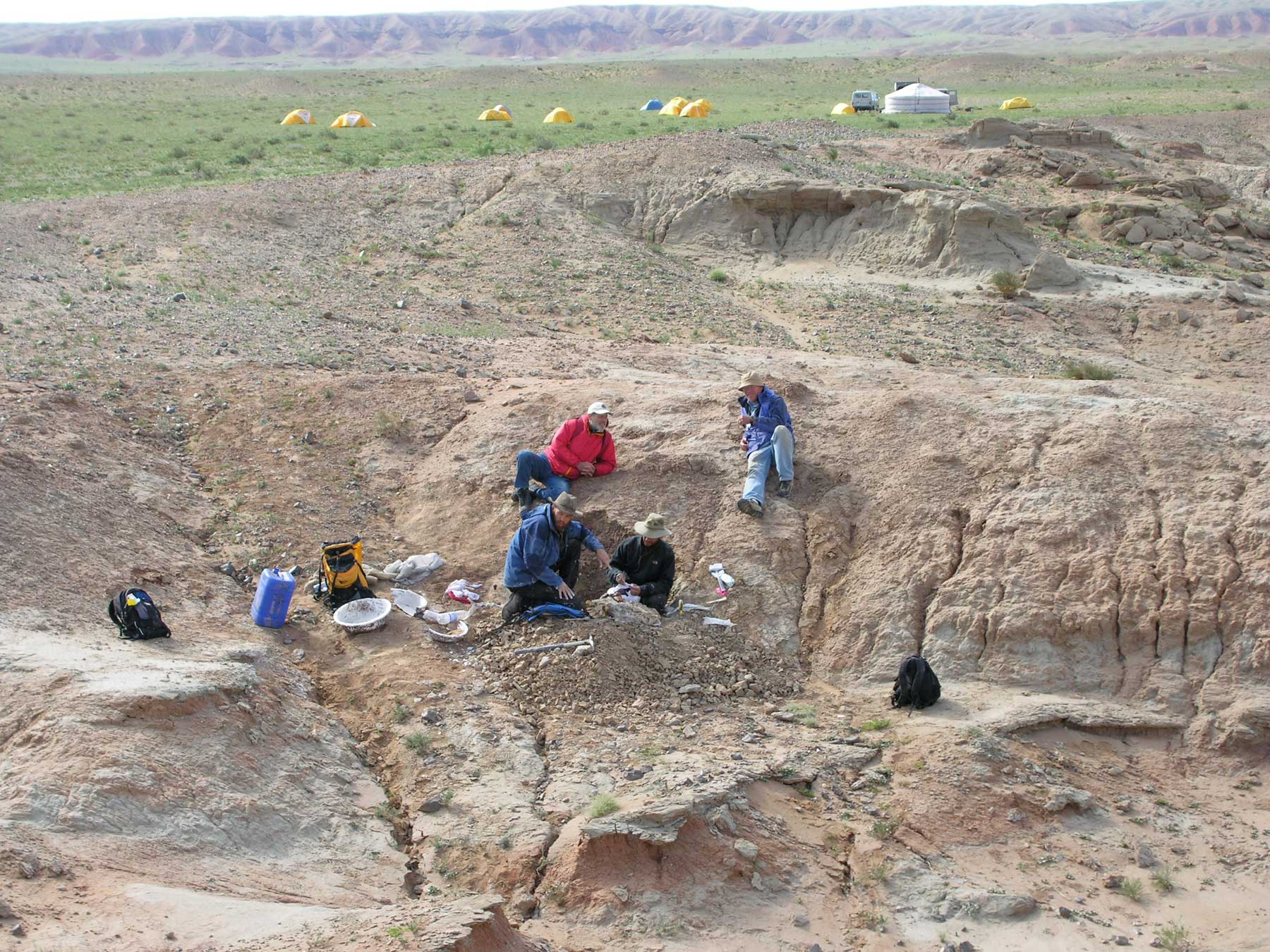
Sometimes it takes two decades to identify something but the wait is worth it. A dinosaur skeleton found 24 years ago in Montana has finally been identified as a new species that links North American dinosaurs with Asian dinosaurs. The dinosaur would have weighed 30 to 40 pounds, walked on two feet and stood about three feet tall. The fossil came from sediment that's about 80 million years old.

Jack Horner said he found the nearly-complete skeleton in 1983 near Choteau, in northwest Montana, but it was located in extremely hard rock and took a long time to prepare. He also had to wait about two decades before he found an expert who could identify it. That expert was Brenda Chinnery, who specializes in horned dinosaurs.

Scientists have proved for the first time that vitamin C is essential for plant growth. Vitamin C is already known to be an antioxidant, which helps plants deal with stresses from drought to ozone and UV radiation, but until now it was not known that plants could not grow without it.

The study in The Plant Journal describes a newly-identified enzyme, GDP-L-galactose phosphorylase, which produces ascorbate ( vitamin C ) in plants. This discovery could have implications for agriculture and for the production of vitamin C dietary supplements.

Professor Nicholas Smirnoff of the University of Exeter, lead author on the paper said: "Vitamin C is the most abundant antioxidant in plants and yet its functions are poorly understood.

A new study in Nature Biotechnology claims their numerical models and lab experiments have confirmed they can improve a class of drugs based on antibodies by predicting structural changes that will improve its effectiveness.

They've already used the model to create a new version of cetuximab, a drug commonly used to treat colorectal cancer, that binds to its target with 10 times greater affinity than the original molecule.

“New and better methods for improving antibody development represent critical technologies for medicine and biotechnology,” says MIT Professor Dane Wittrup.

Good news for lovers of fish and chips. Japanese scientists have come up with the perfect recipe to make a crispy batter which is also lower in fat, reports Joanna Harries in Chemistry & Industry.

Dr Thanatuksorn and his team at Tokyo University of Technology studied how the structure of the batter molecules changes during the frying process. By altering the water content and frying time they were able to suggest the perfect conditions to create batter with the best lasting crispiness, as well as helping to reduce the fat content.

During the deep-frying process a rigid microstructure of pores is formed in the batter, and this microstructure is responsible for the textural properties of the food, as well as determining how much oil is absorbed during the frying.

The Carbon Disclosure Project (CDP) is a collaboration of over 315 institutional investors with assets under management of more than $41 trillion. They have released their 5th annual global report, providing the largest and most comprehensive database of strategies from the world's largest corporations regarding the impact of climate change on shareholder value.

On behalf of the collaboration of 315 investors, including Merrill Lynch, Goldman Sachs, CalPERS and AIG, CDP has sent a questionnaire to the world's largest publicly-owned companies each year since 2002. This elicits detailed information on the risks and opportunities posed to the companies by climate change.

Every response has been graded and ranked based on climate disclosure and governance practices.