Banner
Object-Based Processing: Numbers Confuse How We Perceive Spaces

Researchers recently studied the relationship between numerical information in our vision, and...

Males Are Genetically Wired To Beg Females For Food

Bees have the reputation of being incredibly organized and spending their days making sure our...

The Scorched Cherry Twig And Other Christmas Miracles Get A Science Look

Bleeding hosts and stigmatizations are the best-known medieval miracles but less known ones, like ...

$0.50 Pantoprazole For Stomach Bleeding In ICU Patients Could Save Families Thousands Of Dollars

The inexpensive medication pantoprazole prevents potentially serious stomach bleeding in critically...

User picture.
News StaffRSS Feed of this column.

News Releases From All Over The World, Right To You... Read More »

Blogroll

A paper published in the Royal Society journal Interface on 15th August 2007 highlights recent research that predicts that the range and severity of the plant disease phoma stem canker is increased by global warming.

A research team led by Rothamsted Research has used a weather-based model developed to predict the start and severity of epidemics of phoma stem canker, a disease of oilseed rape and other brassicas that causes losses of $900M worldwide, to investigate the consequences of predicted climate change scenarios.

Recent probes inside comets show it is overwhelmingly likely that life began in space, according to a new paper by Cardiff University scientists.

Professor Chandra Wickramasinghe and colleagues at the University’s Centre for Astrobiology have long argued the case for panspermia - the theory that life began inside comets and then spread to habitable planets across the galaxy. A recent BBC Horizon documentary traced the development of the theory.

Now the team claims that findings from space probes sent to investigate passing comets reveal how the first organisms could have formed.

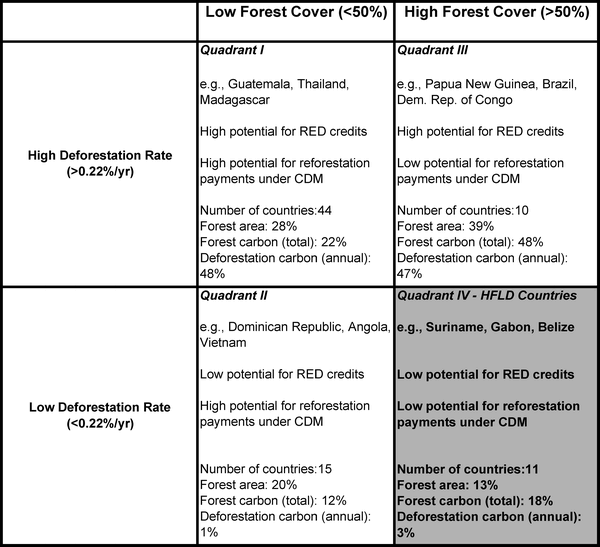
Cutting and burning tropical forests releases the atmospheric carbon they store, contributing significantly to global climate change.

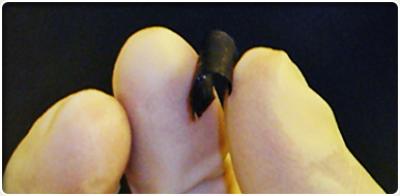
Researchers at Rensselaer Polytechnic Institute have developed a new energy storage device that easily could be mistaken for a simple sheet of black paper.

The nanoengineered battery is lightweight, ultra thin, completely flexible, and geared toward meeting the trickiest design and energy requirements of tomorrow’s gadgets, implantable medical equipment, and transportation vehicles.

Along with its ability to function in temperatures up to 300 degrees Fahrenheit and down to 100 below zero, the device is completely integrated and can be printed like paper. The device is also unique in that it can function as both a high-energy battery and a high-power supercapacitor, which are generally separate components in most electrical systems.

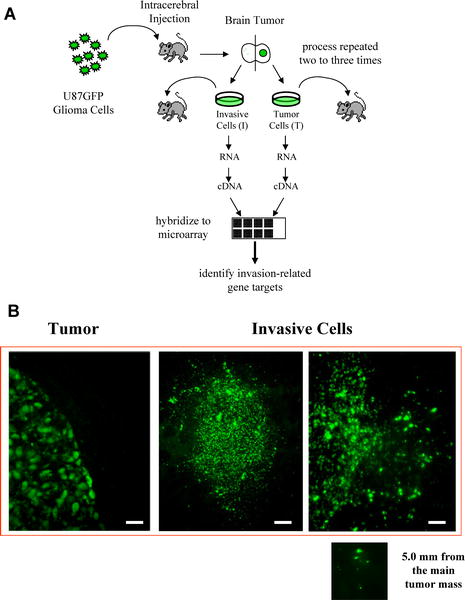
The invasive nature of cancers in general, and malignant gliomas in particular, is a major clinical problem rendering tumors incurable by conventional therapies.

Using a novel invasive glioma mouse model established by serial in vivo selection, new research has identified the p75 neurotrophin receptor (p75NTR) as a critical regulator of glioma invasion.

About 40 percent of deaths worldwide are caused by water, air and soil pollution, concludes David Pimentel, Cornell professor of ecology and agricultural sciences.

Such environmental degradation, coupled with the growth in world population, are major causes behind the rapid increase in human diseases, which the World Health Organization has recently reported. Both factors contribute to the malnourishment and disease susceptibility of 3.7 billion people, he says.

Pimentel and a team of Cornell graduate students examined data from more than 120 published papers on the effects of population growth, malnutrition and various kinds of environmental degradation on human diseases.