Banner
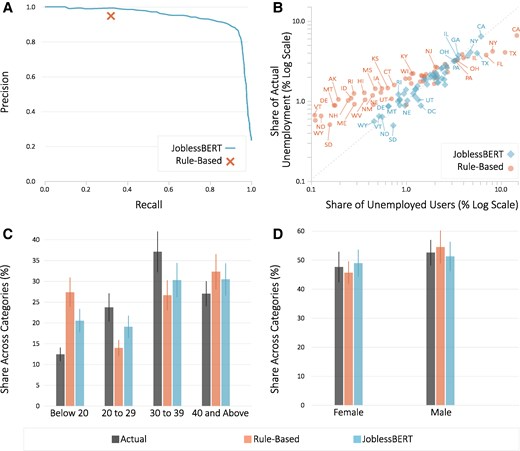
Social Media Is A Faster Source For Unemployment Data Than Government

Government unemployment data today are what Nielsen TV ratings were decades ago - a flawed metric...
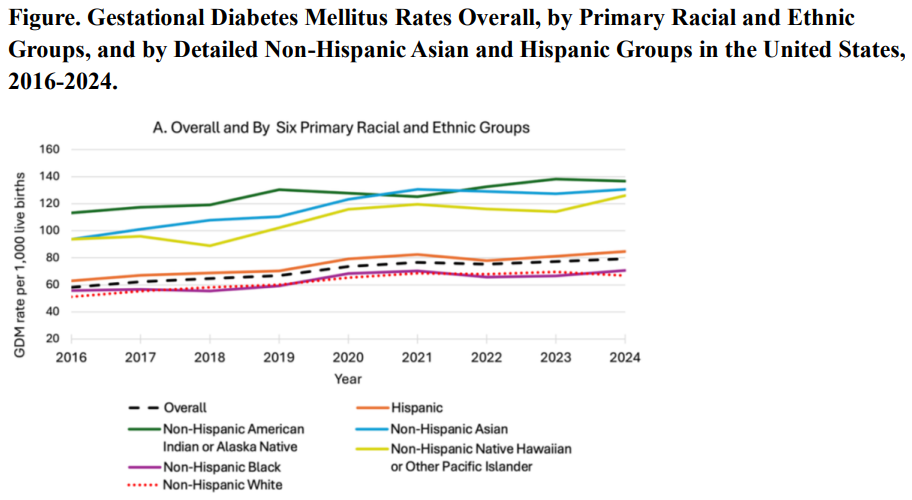
Gestational Diabetes Up 36% In The Last Decade - But Black Women Are Healthiest

Gestational diabetes, a form of glucose intolerance during pregnancy, occurs primarily in women...

Object-Based Processing: Numbers Confuse How We Perceive Spaces

Researchers recently studied the relationship between numerical information in our vision, and...

Males Are Genetically Wired To Beg Females For Food

Bees have the reputation of being incredibly organized and spending their days making sure our...

User picture.
News StaffRSS Feed of this column.

News Releases From All Over The World, Right To You... Read More »

Blogroll

Part of an ongoing study into the impact of drinking milk after heavy weightlifting has found that milk helps exercisers burn more fat.

The study by researchers at McMaster University and published today in the American Journal of Clinical Nutrition, was conducted by the Department of Kinesiology’s Exercise Metabolism Research Group, lead by Stuart Phillips.

The researchers took three groups of young men 18 to 30 years of age – 56 in total – and put them through a rigorous, five-day-per-week weightlifting program over a 12-week period.

Researchers at the University of Pennsylvania School of Medicine recently identified how a regulatory protein called Bcl-3 helps to control the body’s inflammation response to infection by interfering a critical biochemical process called ubiquitination. While previous studies suggested Bcl-3 plays a role in immunity, this is the first report that Bcl-3 regulates inflammation by blocking ubiquitination.

Their findings, published in Science, open new avenues of exploration for developing therapies to treat infectious or inflammatory diseases, such as sepsis, diabetes, and rheumatoid arthritis.

As oil becomes scarce, the world needs new transportation fuels. As new fuel options develop we need means of assessing which are most effective at replacing petroleum. So far many scientists have used a measure called ‘net energy’.

However, Professor Bruce Dale from Michigan State University claims, “Net energy analysis is simple and has great intuitive appeal, but it is also dead wrong and dangerously misleading – net energy must be eliminated from our discourse.” Dale’s perspective is published in the first edition of Biofuels, Bioproducts and Biorefining.

Instead, Dale recommends comparing fuels by assessing how much petroleum fuel each can replace, or by calculating how much CO2 each produces per km driven.

A new study funded by the Economic and Social Research Council (ESRC) says that ethical consumption is most likely to happen when it is approached as a political or societal goal rather than encouraging individual changes in lifestyle.

Efforts like Live Earth to "raise awareness" may be doing it all wrong, they say.

The research team found that campaigns aimed at getting people to change what they buy often worked on the assumption that individuals lack the necessary information to make educated decisions about the consequences of what they buy and where they buy it from. However the findings from the study suggest that people don't lack information about organic food, environmental sustainability, or third world sweatshops. They lack realistic alternatives.

In a new study appearing in Personality and Social Psychology Bulletin, researchers at the University of Illinois explore real-life relationship issues by looking at the choices people make in simulated online dating relationships. By standardizing the behavior of the romantic “partner,” the study clarifies how each participant’s outlook influences his or her choices and satisfaction with the romance.

The online study took participants through a series of scenarios about a relationship with a fictional partner.

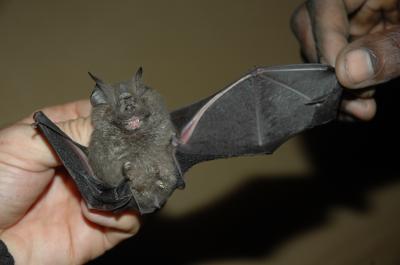
An expedition led by the Wildlife Conservation Society (WCS) to a remote corner of the eastern Democratic Republic of Congo has uncovered unique forests which, so far, have been found to contain six animal species new to science: a bat, a rodent, two shrews, and two frogs.

The forested region—including the Misotshi-Kabogo Forest (formerly Mt. Kabobo)—and nearby Marunga Massif is located just west of Lake Tanganyika and has been off limits to scientists since 1960 as a result of continued instability in the area.

“If we can find six new species in such a short period it makes you wonder what else is out there,” said WCS researcher Dr. Andrew Plumptre, director of the society’s Albertine Rift Program.