Banner
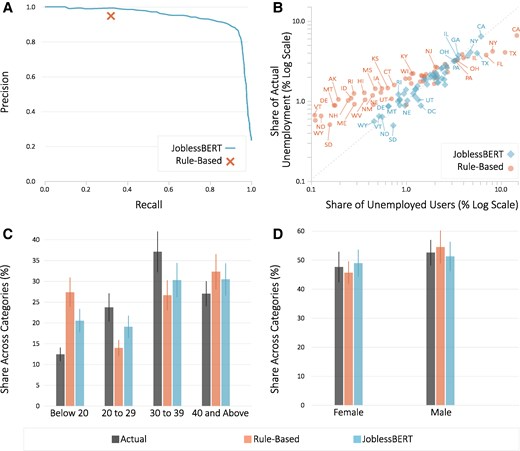
Social Media Is A Faster Source For Unemployment Data Than Government

Government unemployment data today are what Nielsen TV ratings were decades ago - a flawed metric...
Gestational Diabetes Up 36% In The Last Decade - But Black Women Are Healthiest

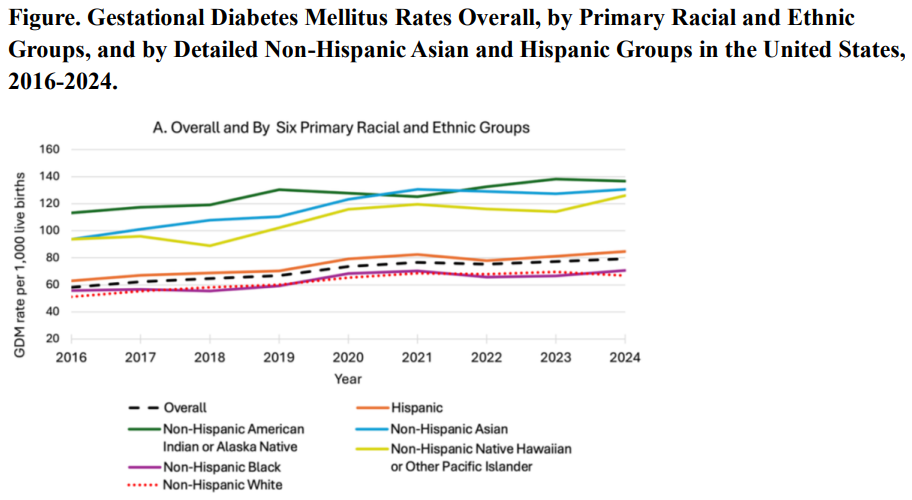
Gestational diabetes, a form of glucose intolerance during pregnancy, occurs primarily in women...
Object-Based Processing: Numbers Confuse How We Perceive Spaces

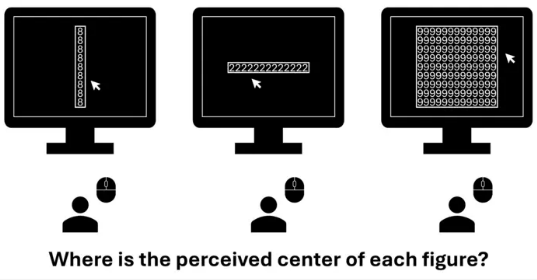
Researchers recently studied the relationship between numerical information in our vision, and...
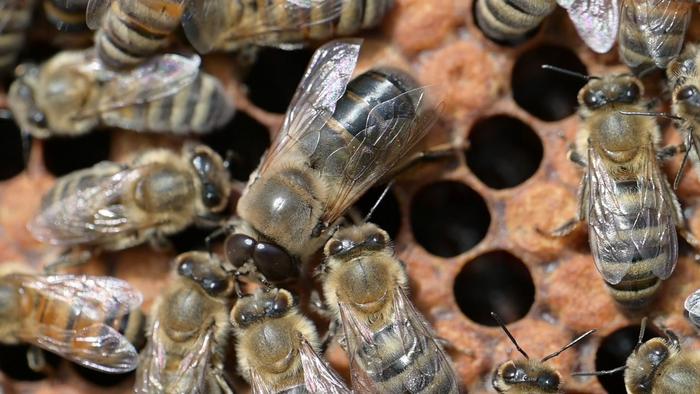
Males Are Genetically Wired To Beg Females For Food

Bees have the reputation of being incredibly organized and spending their days making sure our...

User picture.
News StaffRSS Feed of this column.

News Releases From All Over The World, Right To You... Read More »

Blogroll

As we develop, the company we keep may be increasingly influenced by our genes, according to a new study led by Virginia Commonwealth University researchers.

Researchers report that as individuals develop, genes become increasingly important in influencing how they choose their peer groups. The findings offer insight into which individuals may be at risk for future substance use or other externalizing behaviors such as conduct and antisocial personality disorder.

“As we grow and move out of our own home environment, our genetically influenced temperament becomes more and more important in influencing the kinds of friends we like to hang out with,” said Kenneth S. Kendler, M.D., a professor of psychiatry and human genetics in VCU’s School of Medicine and lead author on the study.

Rosacea is a common inflammatory skin disease that causes facial redness and affects nearly 14 million Americans. Doctors can tell patients what triggers can worsen their condition: spicy foods, heat, alcohol, even embarrassment. But until now, science could not explain what caused rosacea.

A team of researchers, led by Richard L. Gallo, M.D., Ph.D., professor of medicine and chief of the Division of Dermatology at the University of California San Diego (UCSD) has determined that it is not one, but a combination of two abnormal factors, that result in rosacea.

“It’s like having lots of gasoline…and a match,” said Gallo, principal investigator.

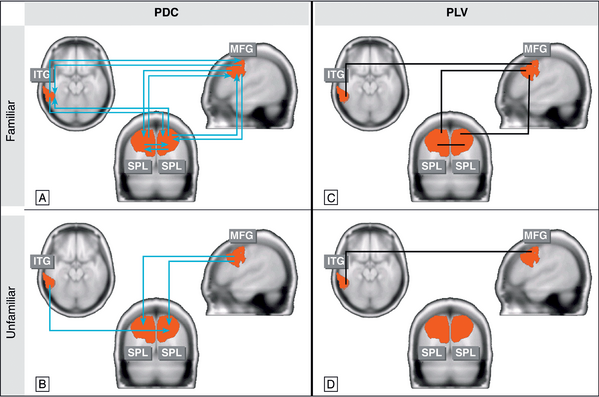
Which brain processes enable humans to rapidly access their personal knowledge? What happens if humans perceive either familiar or unfamiliar objects?

The answer to these questions may lie in the direction of information flow transmitted between specialized brain areas that together establish a dynamic cortical network.

Fruit or vegetable, insect or bird, familiar or unfamiliar – humans are used to classify objects in the world around them and group them into categories that have been formed and shaped constantly through every day's experience. Categorization during visual perception is exceptionally fast.

A team of scientists led by professor Kiminobu Sugaya at the University of Central Florida may have found a new way to treat Alzheimer’s disease.

The team, which also included researchers from the Karolinska Institute in Sweden and the National Institutes of Health, combined a technique for transplanting stem cells into rats and a newly discovered compound, phenserine. It reduces the amount of a plaque that is a hallmark of Alzheimer’s disease. The combination triggered the regeneration of neurons that are destroyed by Alzheimer’s and are necessary for healthy brain functions.

There are 5 million Americans living with Alzheimer’s, one of the most common forms of dementia, according to the National Alzheimer’s Association.

In the past ten years, researchers in genome stability have observed that many kinds of cancer are associated with areas where human chromosomes break. They have hypothesized – but never proven – that slow or altered replication led to the chromosomes breaking.

In a Tufts University study, two molecular biologists have used yeast artificial chromosomes to prove the hypothesis. They have found a highly flexible DNA sequence that increases fragility and stalls replication, which then causes the chromosome to break.

Catherine Freudenreich, associate professor of biology at Tufts University, and doctoral student Haihua Zhang focused on one particular human common fragile site – an area that is a normal part of chromosome structure but is prone to breaking.

The causes of depression have not been fully identified but scientists acknowledge that genetic and environmental factors play a role in the onset of the disorder. One of the environmental risk factors more often related to depression is exposure to threatening life events. From a genetic point of view, the serotonin transporter gene, with its crucial role in communication between neurons, could also predispose people to depression.

An international group of scientists, headed by professors Jorge Cervilla Ballesteros and Blanca Gutiérrez Martínez, from University of Granada, has recently published the study PREDICT-gene, confirming the relationship between alleles in the serotonin transporter gene and exposure to threatening life events in the onset of depression.