Banner
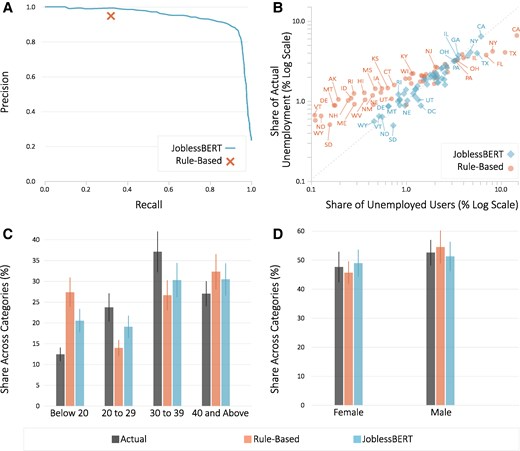
Social Media Is A Faster Source For Unemployment Data Than Government

Government unemployment data today are what Nielsen TV ratings were decades ago - a flawed metric...
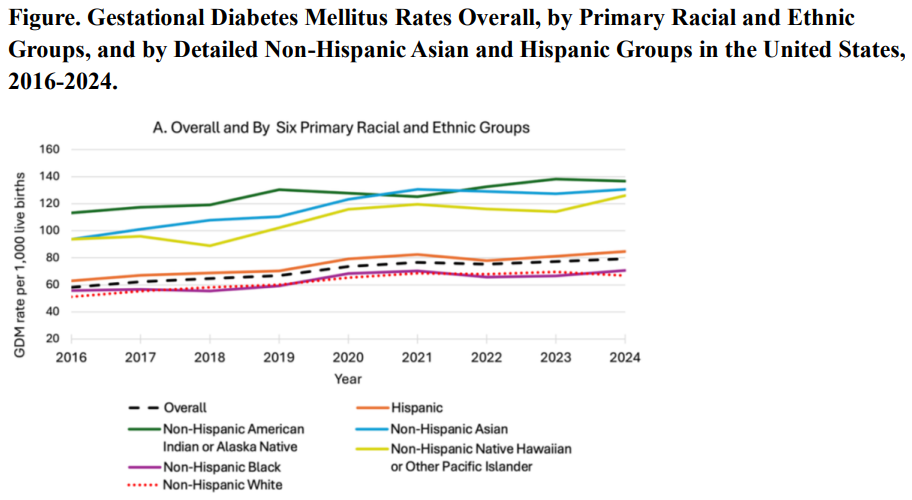
Gestational Diabetes Up 36% In The Last Decade - But Black Women Are Healthiest

Gestational diabetes, a form of glucose intolerance during pregnancy, occurs primarily in women...
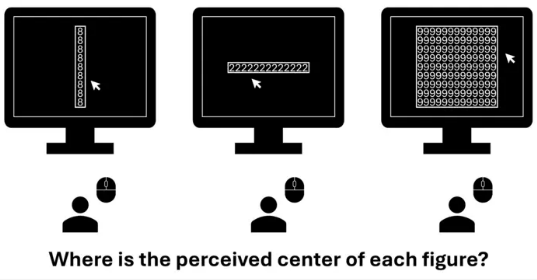
Object-Based Processing: Numbers Confuse How We Perceive Spaces

Researchers recently studied the relationship between numerical information in our vision, and...
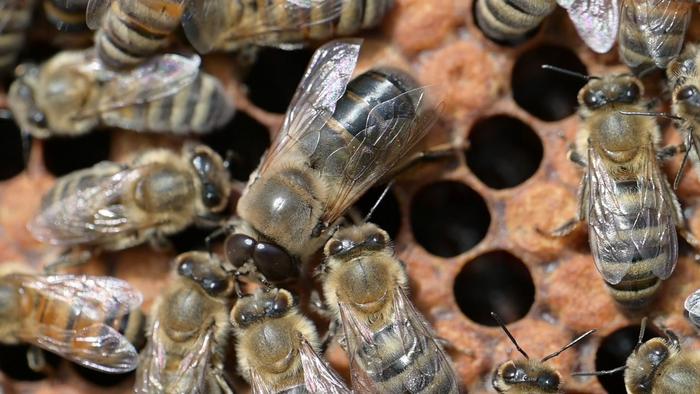
Males Are Genetically Wired To Beg Females For Food

Bees have the reputation of being incredibly organized and spending their days making sure our...

User picture.
News StaffRSS Feed of this column.

News Releases From All Over The World, Right To You... Read More »

Blogroll

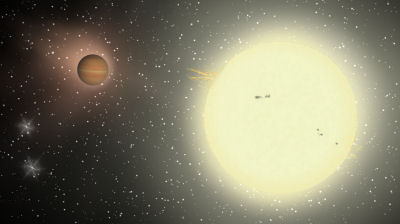
The new planet was identified by astronomers looking for transiting planets – that is, planets that pass in front of their home star – using a network of small automated telescopes in Arizona, California, and the Canary Islands. TrES-4 was discovered less than half a degree (about the size of the full Moon) from the team’s third planet, TrES-3.

"TrES-4 is the largest known exoplanet," said Georgi Mandushev, Lowell Observatory astronomer and the lead author of the paper announcing the discovery. "It is about 70 percent bigger than Jupiter, the Solar System’s largest planet, but less massive, making it a planet of extremely low density. Its mean density is only about 0.2 grams per cubic centimeter, or about the density of balsa wood!

A new study reveals correlations between plentiful sunspots and periods of heavy rain in East Africa. Intense rainfall in the region often leads to flooding and disease outbreaks.

The analysis by a team of U.S. and British researchers shows that unusually heavy rainfalls in East Africa over the past century preceded peak sunspot activity by about one year. Because periods of peak sunspot activity, known as solar maxima, are predictable, so too are the associated heavy rains that precede them, the researchers propose.

“With the help of these findings, we can now say when especially rainy seasons are likely to occur, several years in advance," says paleoclimatologist and study leader Curt Stager of Paul Smith's College in Paul Smiths, New York.

For every man with a migraine, three women are struck by the severe headaches that often come with nausea, sensitivity to light and sound, and aura. That means a staggering 18 to 25 percent of women suffer from migraines, making it one of the most common disabling conditions faced by women around the globe.

This 3-to-1 ratio raises the obvious question: Why? The reason, suggest researchers at UCLA, is that women may have a faster trigger than men for activating the waves of brain activity thought to underlie migraines. If the theory is correct, this triggering mechanism may be a new target for migraine treatment.

Glycine is a non-essential amino acid used by the organism to synthesise proteins and is present in foods such as fish, meat or dairy products.

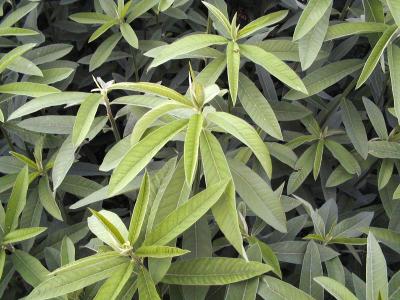
Within Southern Florida, soil and water conditions indicate potential for leaching from the use of atrazine-based herbicides in corn crops. Scientists from USDA-Agricultural Research Service (ARS) and University of Florida conducted studies to evaluate the specific groundwater risk from atrazine use by focusing on a specific cover crop that seems to have the potential to greatly reduce that risk. The crop is called sunn hemp. It’s a tall, herbaceous annual that grows rapidly to a height of 6 to 7 feet.

The region’s aquifer provides drinkable water for nearly all of the rapidly growing population. Agricultural practices that impair water quality may also stunt a massive project intended to restore the Florida Everglades ecosystem.

It's well known that physical exercise is good for the brain but what about when age takes away the ability to exercise as much? Can mental exercise close the gap?

Yes, say researchers at Yale. For the young and middle-aged, exercise is key but for older people either mental of physical enrichment is good.

The Yale neuroscientists randomly assigned 160 female mice who were young, middle-aged and old adults (about 3, 15, or 21 months old) to either an experimental (treatment) condition or a control group. Treatment conditions included cages where mice could exercise on running wheels, cages where they could play with toys, or cages with both for complex enrichment. The control mice cages were unadorned.