
Banner
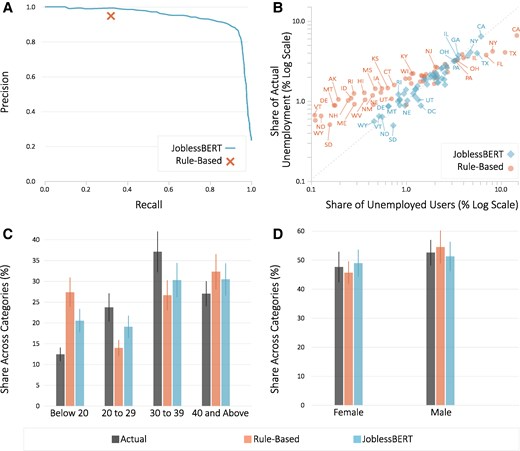
Social Media Is A Faster Source For Unemployment Data Than Government

Government unemployment data today are what Nielsen TV ratings were decades ago - a flawed metric...

Gestational Diabetes Up 36% In The Last Decade - But Black Women Are Healthiest

Gestational diabetes, a form of glucose intolerance during pregnancy, occurs primarily in women...
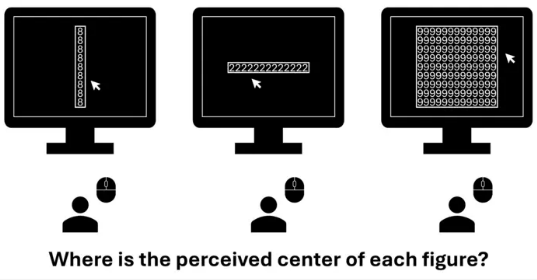
Object-Based Processing: Numbers Confuse How We Perceive Spaces

Researchers recently studied the relationship between numerical information in our vision, and...
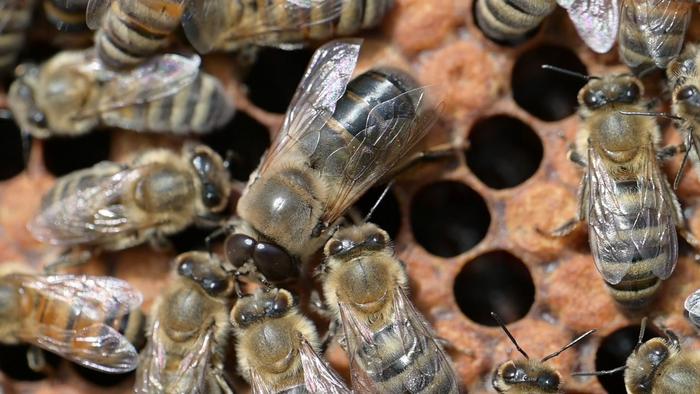
Males Are Genetically Wired To Beg Females For Food

Bees have the reputation of being incredibly organized and spending their days making sure our...

User picture.
News StaffRSS Feed of this column.

News Releases From All Over The World, Right To You... Read More »

Blogroll

Last week, it was announced that drug addicts in England are to be given shopping vouchers for complying with treatment programs.

Rewarding patients to cooperate is not new, argues Tom Burns, a senior psychiatrist at Warneford Hospital in Oxford. Most mental health practitioners reward patients for “healthy” behavior and financial incentives are no different.

People who criticize money for medicines emphasize the “exploitation of impoverished patients” and worries about how patients would spend the money.

The discovery of a novel molecular switch that powerfully modulates nerve cell activity offers the potential for new mood disorder and epilepsy treatments, University of California, Irvine researchers report.

The researchers looked at the role of the natural substance cholecystokinin (CCK) in modulating communication between cells in the brain. CCK, originally isolated from the digestive tract, is one of the most abundant small proteins, or peptides, in the brain, and it is linked to psychiatric disorders such as anxiety, depression, and schizophrenia.

For years, scientists have searched in vain for slivers of the brain that might drive the dramatic differences between male and female behavior. Now biologists at Harvard University say these efforts may have fallen flat because such differences may not arise in the brain at all.

Rather, they say, the epicenter of sex-specific behavior in many species may be a small sensory organ found in the noses of all terrestrial vertebrates except higher primates.

MIT neuroscientists exploring how memory formation differs between children and adults have found that although the two groups have much in common, maturity brings richer memories.

The MIT team reports that children rival adults in forming basic memories, but adults do better at remembering the rich, contextual details of that information. The MIT study provides new insights into how children learn that are not only theoretically important, but could also inform practical learning in everyday settings.

The ability to remember factual information - who, what, where, when - emerges gradually during childhood, and plays a critical role in education.

Cancer causing mutations occur in our bodies every day – but luckily, we have specific genes that recognize these malignant events and keep cells from growing out of control. Only a few of these genes – called tumor suppressors – are currently known.

Now scientists at the University of North Carolina at Chapel Hill School of Medicine and Harvard Medical School have added to the list another powerful tumor suppressor, a gene called LKB1. Their research indicates that this gene is mutated in almost a quarter of all human lung cancers. In mice, these mutations result in tumors that are more aggressive and more likely to spread throughout the body.

With the finding that fever is produced by the action of a hormone on a specific site in the brain, scientists have answered a key question as to how this adaptive function helps to protect the body during bacterial infection and other types of illness.

Reported by researchers at Beth Israel Deaconess Medical Center (BIDMC), the study results appear today in Nature Neuroscience’s Advance Online Publication.

“This study shows how the brain produces fever responses during infections,” explains senior author Clifford Saper, MD, PhD, Chairman of the Department of Neurology at BIDMC and James Jackson Putnam Professor of Neurology and Neuroscience at Harvard Medical School.




