Banner
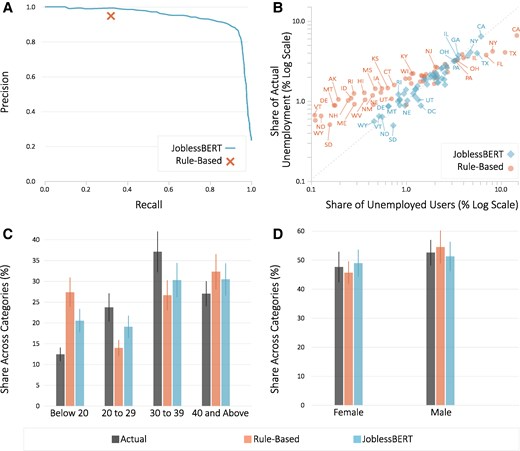
Social Media Is A Faster Source For Unemployment Data Than Government

Government unemployment data today are what Nielsen TV ratings were decades ago - a flawed metric...
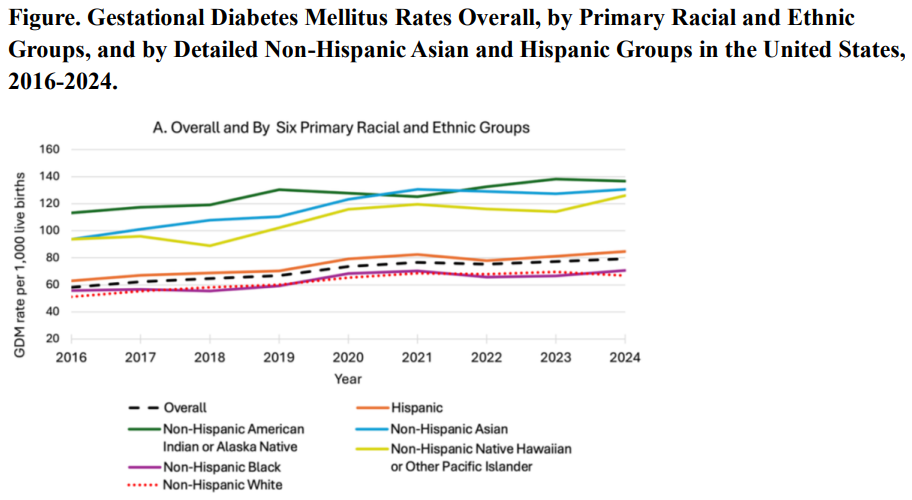
Gestational Diabetes Up 36% In The Last Decade - But Black Women Are Healthiest

Gestational diabetes, a form of glucose intolerance during pregnancy, occurs primarily in women...
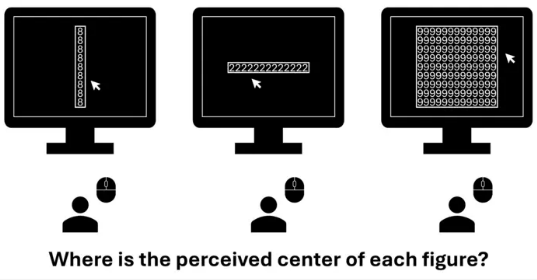
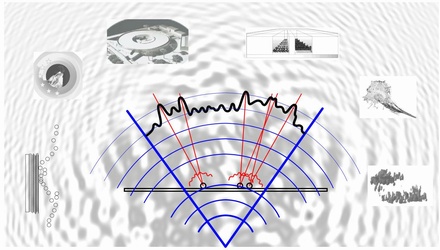
Object-Based Processing: Numbers Confuse How We Perceive Spaces

Researchers recently studied the relationship between numerical information in our vision, and...
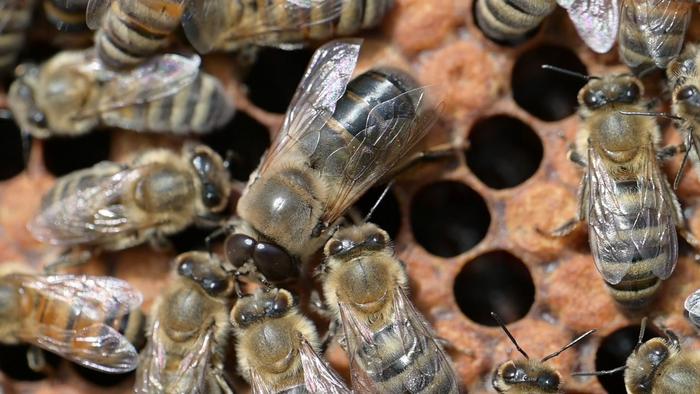
Males Are Genetically Wired To Beg Females For Food

Bees have the reputation of being incredibly organized and spending their days making sure our...

User picture.
News StaffRSS Feed of this column.

News Releases From All Over The World, Right To You... Read More »

Blogroll

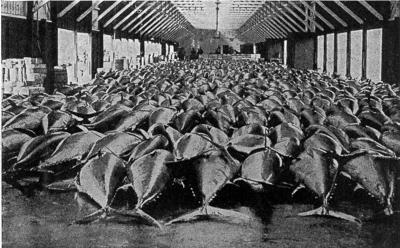
Ocean historians affiliated with the Census of Marine Life have painted the first detailed portrait of a burst of fishing from 1900 to 1950 that preceded the collapse of once abundant bluefin tuna populations off the coast of northern Europe.

The chronicle of decimation of the bluefin tuna population in the North Atlantic is being published as other affiliated researchers release the latest results of modern electronic fish tagging efforts off Ireland and in the Gulf of Mexico, revealing remarkable migrations and life-cycle secrets of the declining species.

Dusting off sales records, fishery yearbooks and other sources, researchers Brian R.

When explorers like Magellan and Columbus sailed from Europe to the New World 500 years ago, they amazingly managed to navigate the open sea without terrestrial landmarks, natural boundaries or the navigational technology we have today.

Historical reports suggest that some explorers and other seafaring people did so by imagining an island just over the horizon; if they kept track of where the "virtual island" was, they knew which direction to go in the open water.

But new research from the University of Iowa suggests that people's ability to imagine virtual islands -- without any perceptual cues to help -- is quite limited.

Scientists at the Institute for Stem Cell Research, of the University of Edinburgh show that mouse embryonic stem cells need the protein FGF4 to become competent to be converted into specialized cell types, such as brain or muscle cells.

These findings add to the growing body of knowledge that researchers all over the world are using to direct embryonic stem cells to become specific specialised cells – a fundamental requirement for using lab-grown cells to model disease, test the effects of new drugs and, potentially, treat disease and injury.

Embryonic stem cells have the unique ability to divide to produce both copies of themselves and other, more specialised, cell types. The process whereby embryonic stem cells commit to become specialised cells is still obscure.

Plasmodium falciparum is responsible for the most severe forms of human malaria. Invasion of host red blood cells is an essential step of the complex life cycle of this parasite.

During the process of invasion, P. falciparum, which appears in the stage of a “merozoite”, is exposed to antibodies from the immune system. Consequently, the proteins of the merozoite that interact with red blood cells are a possible weak point, and thus a very clear target to develop vaccines.

A new UC Davis study that explains the actions of a gene mutation that causes early onset cancer provides a fundamental insight into the mechanism of DNA-break repair.

People with Bloom's syndrome, a rare genetic disease, typically develop cancer in their twenties. The underlying cause is a mutation in a gene called Blm, which encodes a member of the RecQ family of DNA-unwinding enzymes, or helicases, that are involved in repairing DNA.

Neil Hunter, assistant professor of microbiology at UC Davis, and his colleagues studied the equivalent protein in yeast, SGS1.

A group of Chemists from the University of Leicester have developed a way of purifying biodiesel made from vegetable oils, which is cheap, simple and low in toxicity.

The team, led by Professor Andrew Abbott is able to remove glycerol, the main by-product of vegetable oil-based biodiesel, using ionic liquids made in part by vitamin B4 (choline chloride).
.
If left in biodiesel, glycerol (a syrupy sugar alcohol) would damage engines but this technique simply washes it out of the fuel. The ionic liquid developed by Professor Abbott uses a complex of choline chloride with glycerol to extract more glycerol out of the biodiesel.