
Banner
Social Media Is A Faster Source For Unemployment Data Than Government

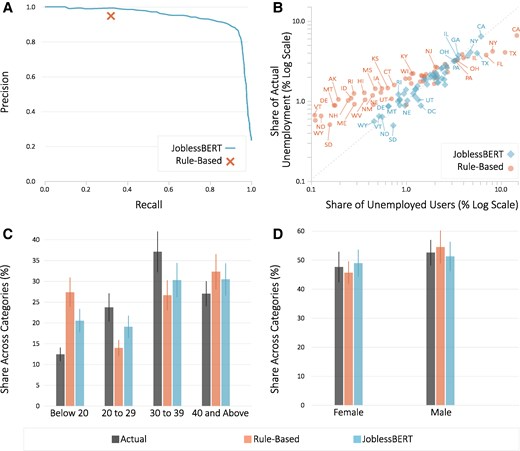
Government unemployment data today are what Nielsen TV ratings were decades ago - a flawed metric...
Gestational Diabetes Up 36% In The Last Decade - But Black Women Are Healthiest

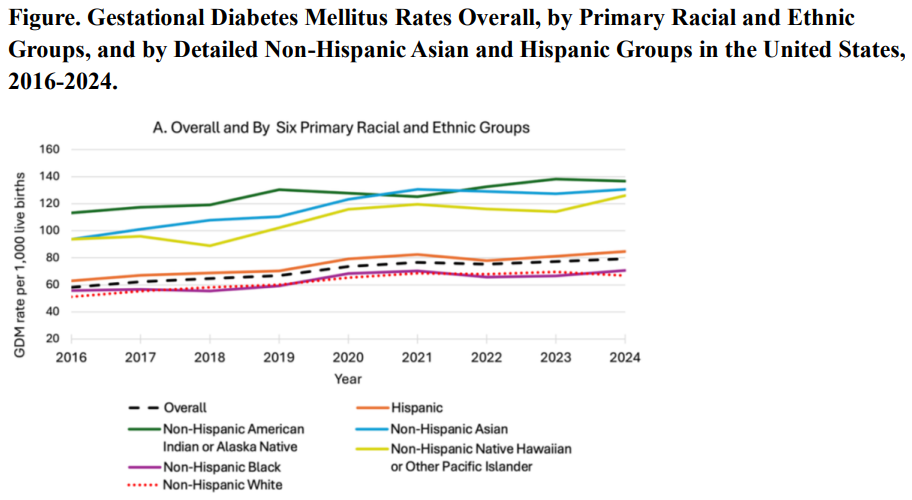
Gestational diabetes, a form of glucose intolerance during pregnancy, occurs primarily in women...
Object-Based Processing: Numbers Confuse How We Perceive Spaces

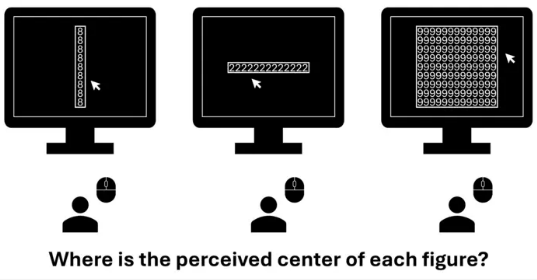
Researchers recently studied the relationship between numerical information in our vision, and...
Males Are Genetically Wired To Beg Females For Food

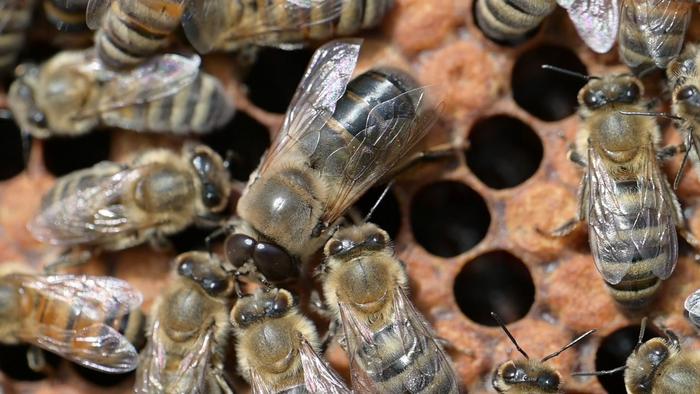
Bees have the reputation of being incredibly organized and spending their days making sure our...

User picture.
News StaffRSS Feed of this column.

News Releases From All Over The World, Right To You... Read More »

Blogroll

Decades ago a gene was discovered that was linked to the susceptibility of multiple scleroris (MS). Since then, the search has been on to uncover the puzzling mix of genes, environment and immunity that could aid in the treatment of the 350,000 people just in America who have the disease.

A pair of large-scale genetic studies supported by the National Institutes of Health has revealed two genes that influence the risk of getting MS.

"These studies describe the first genes conclusively linked to MS in more than 20 years," said Ursula Utz, Ph.D., a program director at the National Institute of Neurological Disorders and Stroke (NINDS), a part of NIH.

An enzyme found naturally in the blood could help protect soldiers against the effects of the deadly nerve agent sarin.

The US military is funding a three-year study to evaluate the effectiveness of the enzyme, known as GOT, in protecting animals against the damaging cognitive and coordination problems resulting from exposure to the organophosphorus nerve agent.

The study will be carried out by Israeli firm Braintact, and follows earlier unpublished work with rats which showed the enzyme successfully protected the animals against neurological problems caused by exposure to paraoxon, a model compound for nerve agents such as sarin, soman and VX.

Autopsies usually point to a cause of death but now a study of brain tissue collected from people who committed suicide may explain an underlying cause of major depression and suicide.

The international research group, led by Dr. Michael O. Poulter of Robarts Research Institute at The University of Western Ontario and Dr. Hymie Anisman of the Neuroscience Research Institute at Carleton University, says that proteins that modify DNA directly are more highly expressed in the brains of people who commit suicide, they write in Biological Psychiatry.

These proteins are involved in chemically modifying DNA in a process called epigenomic regulation.

"Human embryonic stem cells promise unrivalled opportunities. However, they are difficult, time-consuming and expensive to grow in the lab", says Dr. Chris Denning of Institute of Genetics, who is working on research looking at the process that turns a stem cell into a cardiomyocyte - the beating cell that makes up the heart.

The Nottingham researchers are developing a new system to monitor cardiomyocytes in real time as they differentiate from stem cells into beating heart cells. The system uses electrophysiology to record the electrical properties in a cell. The researchers hope that their research could provide more detailed information on the electrical activity of stem cell derived cardiomyocytes.

Twenty-one years after they first described a fatal genetic disorder in Missouri and Arkansas families, scientists at Washington University School of Medicine in St. Louis have linked the condition to mutations in a gene known as TREX1.

The identification will accelerate efforts to understand and treat retinal vasculopathy with cerebral leukodystrophy (RVCL), a rare condition that usually goes unrecognized or is misdiagnosed. In Asian and Caucasian patients with the disease, a complex and ultimately fatal barrage of primarily central nervous system symptoms begins around age 45 that includes vision loss, mini-strokes and dementia. The symptoms can also mimic a brain tumor or multiple sclerosis. After onset, RVCL is fatal in 10 years or less.

Excess nitrogen caused by fertilizers, animal waste, leaf litter, sewer lines, and highways is responsible for contaminating groundwater. It can also cause human health risks when found in drinking water and oxygen depleted water bodies endangering animals that drink from them.

Establishing Riparian buffers is considered a best management practice (BMP) by State and Federal resource agencies for maintaining water quality, and they may be especially critical in controlling amounts of human produced nitrogen.





