
Banner
Social Media Is A Faster Source For Unemployment Data Than Government

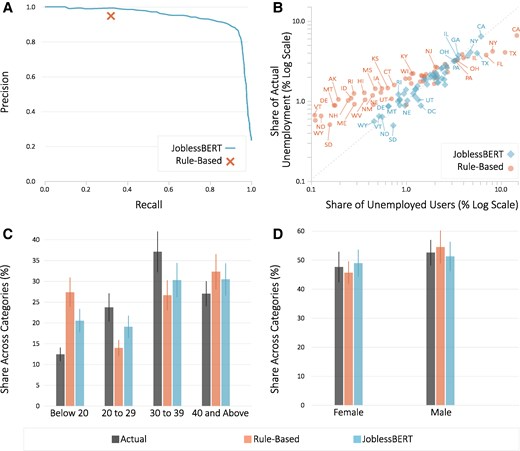
Government unemployment data today are what Nielsen TV ratings were decades ago - a flawed metric...

Gestational Diabetes Up 36% In The Last Decade - But Black Women Are Healthiest

Gestational diabetes, a form of glucose intolerance during pregnancy, occurs primarily in women...

Object-Based Processing: Numbers Confuse How We Perceive Spaces

Researchers recently studied the relationship between numerical information in our vision, and...

Males Are Genetically Wired To Beg Females For Food

Bees have the reputation of being incredibly organized and spending their days making sure our...

User picture.
News StaffRSS Feed of this column.

News Releases From All Over The World, Right To You... Read More »

Blogroll

Alcoholism has traditionally been considered a male disease because there are many more alcoholic males than females.

But a new study by researchers at Oregon Health & Science University and the Portland Veterans Affairs Medical Center suggests that women are more prone to brain damage from alcohol abuse than men.

The study led by Kristine Wiren, Ph.D., associate professor of behavioral neuroscience and medicine, OHSU School of Medicine, and research biologist, PVAMC Research Service, found that female mice are more susceptible to neurotoxic effects of alcohol withdrawal, including significantly increased brain cell death, than male mice.

New research presented at Life Sciences 2007 shows how the UK’s most commonly used brominated flame retardant, TBBPA, bio-accumulates within the human body, meaning that even low concentrations could cause cells to become cancerous and have dramatic effects on sperm count and allergic responses.

Dr. Francesco Michelangeli explained exactly the process involved and called for research into alternative, less toxic, flame retardants.

The research is particularly significant as the use of a number of other flame retardants are being banned throughout Europe, due to their toxicity. TBBPA was considered the least toxic, and has, until now, been unaffected by bans. Brominated Flame Retardants (or BFRs) are known endocrine disrupters - ie.

High fructose corn syrup (HFCS) has been singled out as having special properties that make Americans fatter than sugar and other energy sources with identical calorie contents.

An analysis by the University of Maryland Center for Food, Nutrition, and Agriculture Policy (CFNAP ) says theres no evidence to conclude that high fructose corn syrup contributes to weight gain any more than any other energy source, such as sugar.

Instead, they say High fructose corn syrup has been targeted as a special suspect in causing obesity, in part because of timing and in part because of misunderstanding what it is.

Working mothers have it easier now than their own mothers did, at least with respect to childcare, a University of Leicester study has found.

The Labour government’s National Childcare Strategy, aimed at encouraging mothers to return to work, has simplified childcare, benefiting the younger generation of mothers, according to doctoral research by Dr Henrietta O’Connor in the University’s renowned Centre for Labour Market Studies.

In the course of the study, grandmothers and mothers in fourteen families were asked about their strategies for combining paid work and domestic responsibilities.

General Practitioners (GPs) are prescribing antibiotics for up to 80% of sore throat, otitis media, upper respiratory tract infections, and sinusitis cases, despite the fact that official guidance warns against this practice, according to an analysis of the world’s largest primary care database of consultations and prescriptions, published this week in a supplement to the Journal of Antimicrobial Chemotherapy.

Although prescriptions of antibiotics for respiratory tract infections declined during the 1990s, GPs still continue to prescribe antibiotics for a high proportion of infections even if the cause of the symptoms are likely to be viral.

Research now indicates that air pollution has a role to play in atherosclerosis (artery hardening), which can contribute to heart attacks or strokes. Findings published in Genome Biology show how the fats that clog arteries work together with air pollution particles, triggering the genes behind inflammation.

A research team drawn from medical and environmental engineering disciplines at the Universities of California, Los Angeles, investigated the relationship between oxidized phospholipids found in the low density lipoprotein (LDL) particles, the ‘bad’ fats that clog arteries, and diesel exhaust particles.




