Banner
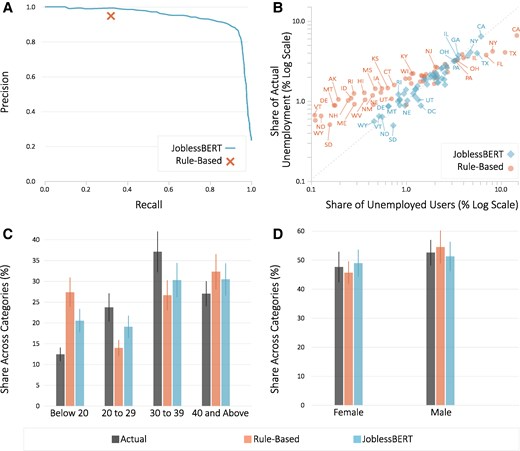
Social Media Is A Faster Source For Unemployment Data Than Government

Government unemployment data today are what Nielsen TV ratings were decades ago - a flawed metric...
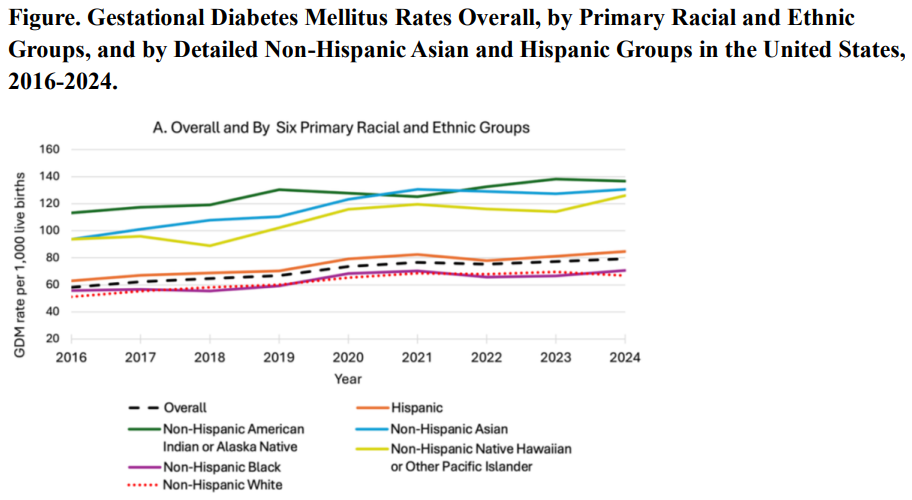
Gestational Diabetes Up 36% In The Last Decade - But Black Women Are Healthiest

Gestational diabetes, a form of glucose intolerance during pregnancy, occurs primarily in women...
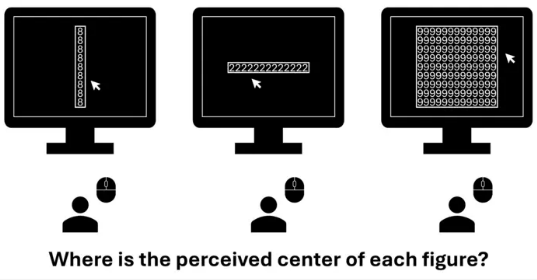
Object-Based Processing: Numbers Confuse How We Perceive Spaces

Researchers recently studied the relationship between numerical information in our vision, and...
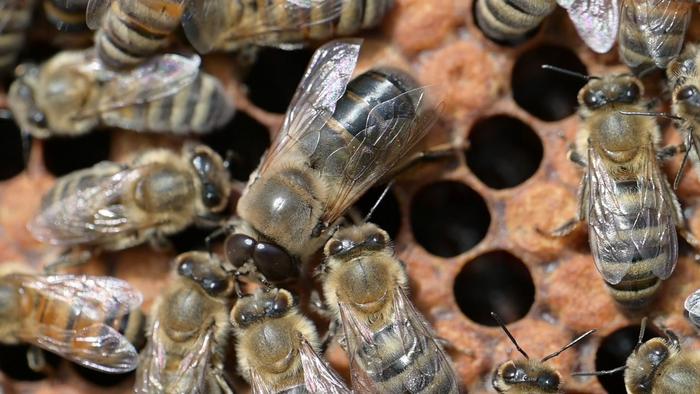
Males Are Genetically Wired To Beg Females For Food

Bees have the reputation of being incredibly organized and spending their days making sure our...

User picture.
News StaffRSS Feed of this column.

News Releases From All Over The World, Right To You... Read More »

Blogroll

The "itch gene" is GRPR (gastrin-releasing peptide receptor), which codes for a receptor found in a very small population of spinal cord nerve cells where pain and itch signals are transmitted from the skin to the brain. The researchers, led by Zhou-Feng Chen, Ph.D., found that laboratory mice that lacked this gene scratched much less than their normal cage-mates when given itchy stimuli.

The laboratory experiments confirmed the connection between GRPR and itching, offering the first evidence of a receptor specific for the itch sensation in the central nervous system. The findings are reported this week in Nature through advance online publication.

The first threat is at the source of the raw material for nuclear power itself, the uranium mine, processing plant, and transport route. Here, physical protection and security are at a much lower level than at a nuclear installation in the developed world, according to Austrian scientists writing in today's issue of the International Journal of Nuclear Governance, Economy and Ecology.

The second threat is from saboteurs with expertise in the industry and the security of nuclear installations. Researchers from the US Environmental Protection Agency suggest that such saboteurs on the inside could wreak havoc and cause a serious environmental and health threats with only small, shaped explosives or even no explosives at all.

Public health officials have long sought to explain the dramatic rise in U.S. obesity rates. They considered the obvious factors like junk food and sedentary lifestyles but apparently forgot to consider your friends.

In the July 26 edition of the New England Journal of Medicine, researchers stated that obesity spreads through social ties. When an individual gains weight, it dramatically increases the chances that their friends, siblings, and spouses will likewise gain weight. The closer two people are in a social network, the stronger the effect. Interestingly, geographical distance between persons in a social network appears to have no effect.

So if you're reading this article, watch your waistline.

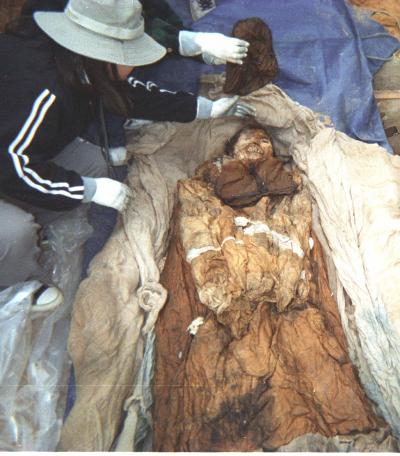
Korea had mummies? Apparently so.

Until recently, no one even knew that mummies existed in Korea. Korea's ancient tradition of ancestor worship and the belief that at death, the soul rises up and the body has to go back to its natural components, without interference by external elements, meant that mummification was in fact anathema in Korean culture. However, with the take-over of the neo-Confucianist Joseon Dynasty in 1392, changes were made to the former Buddhist burial practices.

The burial process involved laying the body on ice for three to thirty days during mourning, placing the body inside an inner and an outer pine coffin, surrounded by the deceased's clothes, and the covering he coffin in a lime soil mixture.

Imagine a chip, strategically placed in the brain, that could prevent epileptic seizures or allow someone who has lost a limb to control an artificial arm just by thinking about it.

It may sound like science fiction, but University of Florida researchers are developing devices that can interpret signals in the brain and stimulate neurons to perform correctly, advances that might someday make it possible for a tiny computer to fix diseases or even allow a paralyzed person to control a prosthetic device with his thoughts.

Armed with a $2.5 million grant they received this year from the National Institutes of Health, UF researchers from the College of Medicine, the College of Engineering and the McKnight Brain Institute have teamed up to create a “neuroprosthetic” chip designed to be im

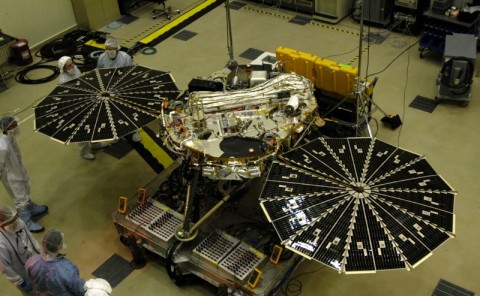
In just over a week's time NASA's Phoenix Lander is due to launch for Mars where it will probe the arctic landscape searching for conditions favourable for past or present life. UK scientists from Imperial College London and the University of Bristol have provided hardware and are involved in the science operations.

The launch is scheduled for 1035 am GMT (0535 am EDT) on 3rd August (3 week launch window) with the spacecraft starting its journey onboard a Delta II rocket from Cape Canaveral, Florida. Phoenix will descend and land on the Red Planet's northern plains, in the area known as Vastitas Borealis, in May 2008, where it will claw down into the icy soil.