Banner
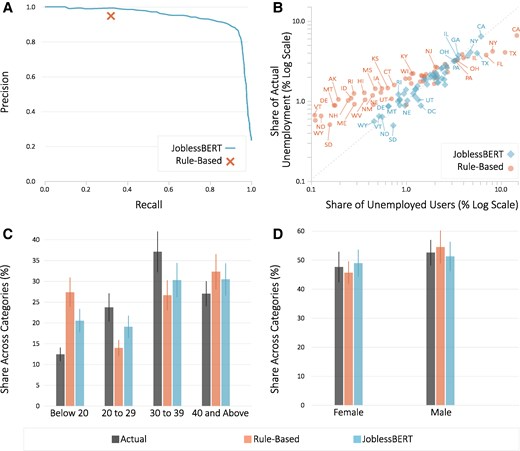
Social Media Is A Faster Source For Unemployment Data Than Government

Government unemployment data today are what Nielsen TV ratings were decades ago - a flawed metric...

Gestational Diabetes Up 36% In The Last Decade - But Black Women Are Healthiest

Gestational diabetes, a form of glucose intolerance during pregnancy, occurs primarily in women...
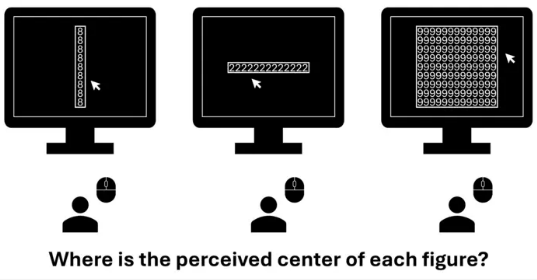
Object-Based Processing: Numbers Confuse How We Perceive Spaces

Researchers recently studied the relationship between numerical information in our vision, and...
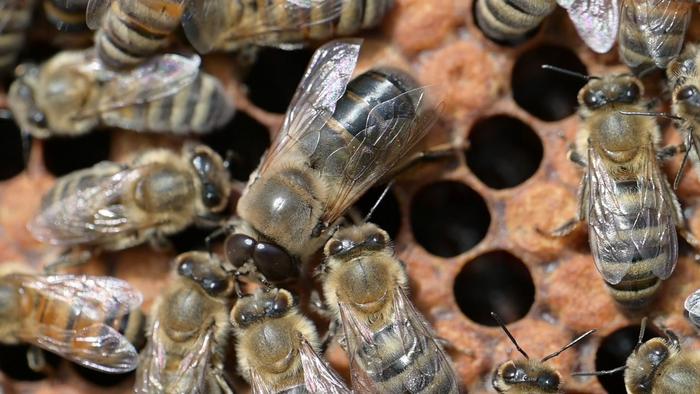
Males Are Genetically Wired To Beg Females For Food

Bees have the reputation of being incredibly organized and spending their days making sure our...

User picture.
News StaffRSS Feed of this column.

News Releases From All Over The World, Right To You... Read More »

Blogroll

A thumb’s up for “I’m good.” The rubbing of a pointed forefinger at another for “shame on you.” The infamous and ubiquitous middle finger salute for—well, you know. Such gestures that convey meaning without speech are used and recognized by nearly everyone in our society, but to someone from a foreign country, they may be incomprehensible.

The opposite is true as well. Plop an American in a foreign land and he or she may be clueless to the common gestures of that particular culture. This raises a provocative question—does culture influence the brain"

A new method which will allow more effective voice discrimination has been developed by researchers at the University of Hertfordshire.

Dr Aladdin Ariyaeeinia at the University’s School of Electronic Communication & Electrical Engineering and his team have been conducting research into voice biometrics (speaker recognition) for over 10 years. The process has various potential applications such as verifying individuals’ identities when they try to access cash machines or try to bank or shop online.

The team’s most recent development is a new approach to speaker change detection, a process which captures when speakers change in a given conversational audio stream which could have very useful applications in criminal investigations and in managing audio-visual recordings.

A new study of bottomland hardwood forests in the southeastern United States suggests that the increased growth of vines may change the landscape of these forests.

Researchers charting the growth of vines in two forests in South Carolina found up to a 10-fold increase in the number of vines in just two decades. Vines commonly found in both forests include grapevines, trumpet vine, poison ivy and Virginia creeper.

Primetime crime drama meets reality in forensic research taking place at the Midwest Forensics Resource Center at Iowa State University.

Ames Laboratory scientists are using the new Direct Analysis in Real Time mass spectrometry interface, which has made a guest appearance on the popular crime show "CSI: New York," to build a library of ink mass spectra using samples from the US Secret Service. The mass spectra library will help identify inks on fraudulent documents and other crime evidence.

DART mass spectrometry analyzes ink by creating a stream of warm gas containing excited-state helium atoms or nitrogen molecules in the DART source. The gas stream is pointed at an ink sample, and the gas and excited-state species evaporate and ionize molecules from the sample.

An analysis based on computerized simulation models suggests that the lifetime risk of cancer associated with radiation exposure from a computed tomography (CT scan) coronary angiography varies widely, with the risk greater for women and younger patients, according to a study in the July 18 issue of JAMA.

Coronary artery disease (CAD) is the leading cause of death in men and women in the United States, accounting for 1 in 5 deaths, and a major cause of health care expenditures, with annual costs estimated at $142 billion, according to background information in the article.

Women with early stage breast cancer who adopted a diet very high in vegetables, fruit and fiber and low in fat did not have a lower risk of breast cancer recurrence compared to women who followed a diet of five or more servings a day of fruit and vegetables (the “5-A-Day” diet), according to a study in the July 18 issue of JAMA.

“Considerable evidence from preclinical studies indicates that plant-derived foods contain anticarcinogens. A comprehensive review of the literature found that a diet high in vegetables and fruit probably decreases breast cancer risk and that a diet high in total fat possibly increases risk.