
Banner
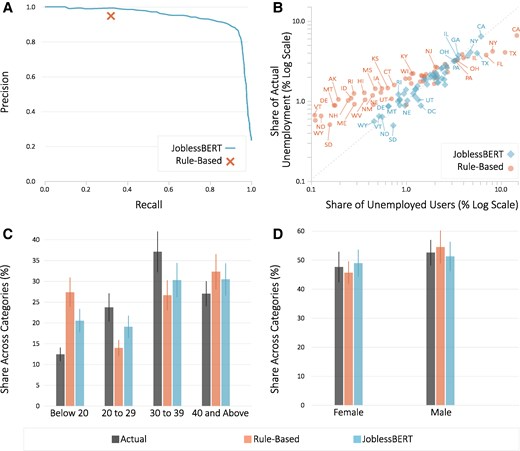
Social Media Is A Faster Source For Unemployment Data Than Government

Government unemployment data today are what Nielsen TV ratings were decades ago - a flawed metric...
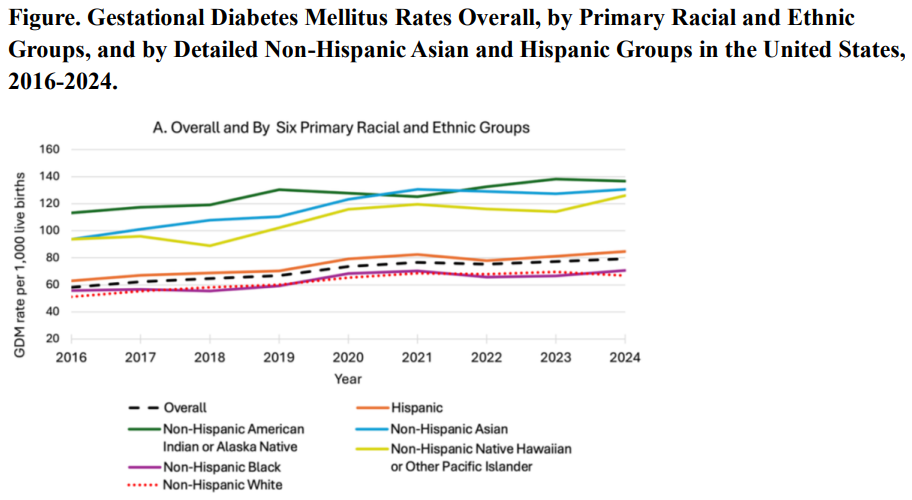
Gestational Diabetes Up 36% In The Last Decade - But Black Women Are Healthiest

Gestational diabetes, a form of glucose intolerance during pregnancy, occurs primarily in women...
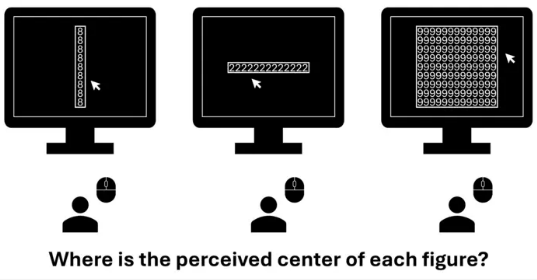
Object-Based Processing: Numbers Confuse How We Perceive Spaces

Researchers recently studied the relationship between numerical information in our vision, and...
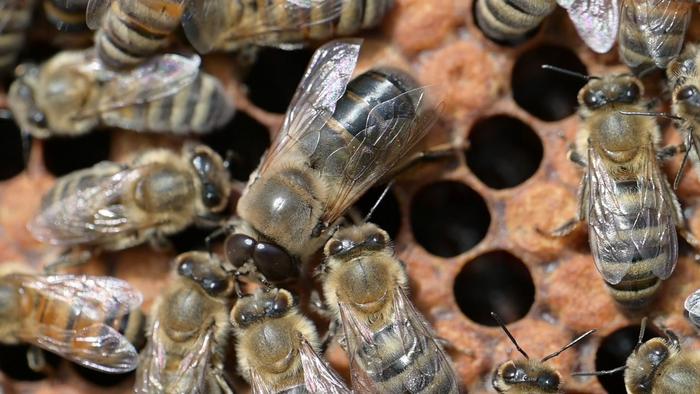
Males Are Genetically Wired To Beg Females For Food

Bees have the reputation of being incredibly organized and spending their days making sure our...

User picture.
News StaffRSS Feed of this column.

News Releases From All Over The World, Right To You... Read More »

Blogroll

An international team of researchers has documented a remarkable example of natural selection in a tropical butterfly species that fought back - genetically speaking - against a highly invasive, male-killing bacteria.

Within 10 generations that spanned less than a year, the proportion of males of the Hypolimnas bolina butterfly on the South Pacific island of Savaii jumped from a meager 1 percent of the population to about 39 percent.

NASCAR guys may be on to something. It turns out that drafting, even on busy highways, could cut congestion, save fuel and cut greenhouse gas emissions, according to research published today in the International Journal of the Environment and Pollution.

As populations grow and the number of vehicles on the roads in cities and motorways across Europe, North America and the developing world, rises, traditional ways of tackling the problem, such as simply building more roads or improving public transport are becoming less and less effective.

Automated highway systems are one of the many approaches that have been suggested to tackle the problems.

In their study,A first-principles model of early evolution: Emergence of gene families, species, and preferred protein folds, Shakhnovich et al present a new model of early biological evolution – the first that directly relates the fitness of a population of evolving model organisms to the properties of their proteins.

Key to understanding biological evolution is an important, but elusive, connection, known as the genotype-phenotype relationship, which translates the survival of entire organisms into microscopic selection for particular advantageous genes, or protein sequences.

A Cornell study of genome sequences in African-Americans, European-Americans and Chinese suggests that natural selection has caused as much as 10 percent of the human genome to change in some populations in the last 15,000 to 100,000 years, when people began migrating from Africa.

The study looked for areas where most members of a population showed the same genetic changes. For example, the researchers found evidence of recent selection on skin pigmentation genes, providing the genetic data to support theories proposed by anthropologists for decades that as anatomically modern humans migrated out of Africa and experienced different climates and sunlight levels, their skin colors adapted to the new environments.

Using plastics to harvest the energy of the sun just got a significant boost in efficiency thanks to a discovery made at the Center for Polymers and Organic Solids at the University of California, Santa Barbara.

Nobel laureate Alan Heeger, professor of physics at UC Santa Barbara, worked with Kwanghee Lee of Korea and a team of other scientists to create a new “tandem” organic solar cell with increased efficiency. The discovery marks a step forward in materials science.

A team of researchers at Umeå University in Sweden have discovered a unique mechanism by which the same signal molecule determines the formation of the both the lens of the eye and the olfactory cells of the nose.

Smell and sight are two sensory systems that are crucial to our ability to perceive the world around us. The ability to sense smells is established by the development of the olfactory mucous membrane. The ability to see is similarly dependent on the formation of the lens in the eyes.





