
Banner
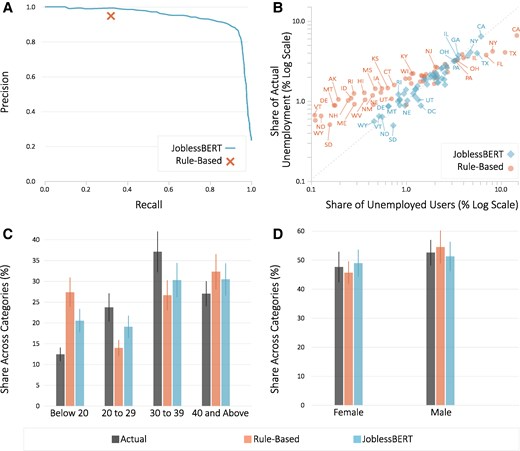
Social Media Is A Faster Source For Unemployment Data Than Government

Government unemployment data today are what Nielsen TV ratings were decades ago - a flawed metric...
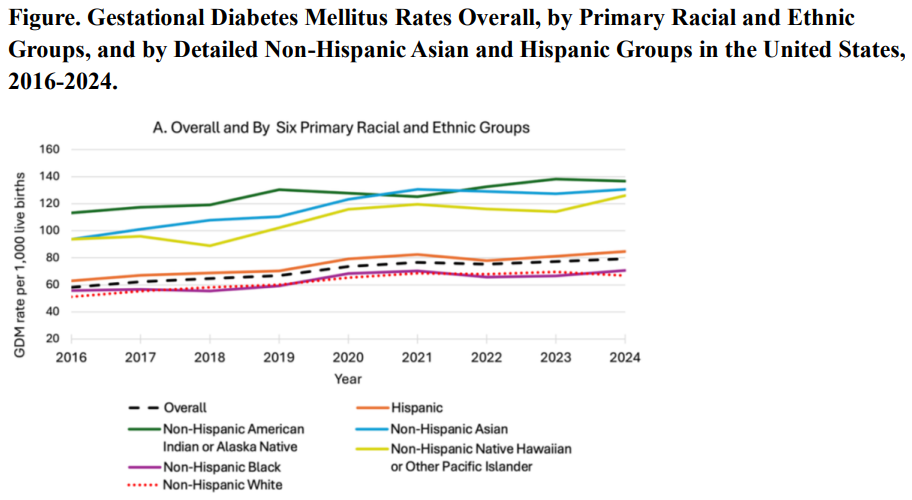
Gestational Diabetes Up 36% In The Last Decade - But Black Women Are Healthiest

Gestational diabetes, a form of glucose intolerance during pregnancy, occurs primarily in women...

Object-Based Processing: Numbers Confuse How We Perceive Spaces

Researchers recently studied the relationship between numerical information in our vision, and...

Males Are Genetically Wired To Beg Females For Food

Bees have the reputation of being incredibly organized and spending their days making sure our...

User picture.
News StaffRSS Feed of this column.

News Releases From All Over The World, Right To You... Read More »

Blogroll

Very precise time keeps the Internet and e-mail functioning, ensures television broadcasts arrive at our TVs and is integral to a network of global navigation satellites (such as the Global Positioning System) used for precision mapping and surveying, environmental monitoring and personal location-based services. But time can only be useful if it is the same for everyone. And that requires a single source against which we can all check our clocks.

No one likes a cheater, even a single-celled one.

New research from Rice University shows how cooperative single-celled amoebae rely on family ties to keep cheaters from undermining the health of their colonies. The research appeared in the Proceedings of the National Academy of Sciences in May.

"It's very unusual to get a complete story in biology -- one that marries careful field work with painstaking work in the laboratory -- and that's what we have here," said research co-author Joan Strassmann, chair of Rice's Department of Ecology and Evolutionary Biology.

Researchers at the University of New South Wales (UNSW) believe that blood may hold vital insights into what is happening in the brain of patients with chronic fatigue syndrome (CFS).

In a study unparalleled in its scope, a team led by UNSW Professor Andrew Lloyd of the Centre for Infection and Inflammation Research, has studied the differences in gene expression patterns in the blood of people who either recover promptly after acute glandular fever or develop the prolonged illness called post-infective syndrome.

A recent study in Journal of Neuroimaging suggests that cognitively normal adults exhibiting atrophy of their temporal lobe or damage to blood vessels in the brain are more likely to develop Alzheimer’s disease. Older adults showing signs of both conditions were seven-times more likely to develop Alzheimer’s than their peers.

“Alzheimer’s disease, a highly debilitating and ultimately fatal neurological disease, is already associated with other risk factors such as poor cognitive scores, education or health conditions,” says study author Caterina Rosano. “This study, because it focused on healthy, cognitively normal adults, shows that there other risk factors we need to consider.”

Do pediatricians face a malpractice crisis? In the first systematic multi-year analysis of malpractice claims solely against pediatricians, researchers from the Indiana University School of Medicine report in the July issue of the journal Pediatrics that the answer is neither yes nor no.

"We studied pediatricians and malpractice because while the medical malpractice issue is extremely stressful and gets a lot of press, and we all have heard numerous horror stories and anecdotes, there is little actual data reported, especially for pediatricians. So we took a retrospective, comprehensive look at malpractice claims against pediatricians. Surprisingly, we found that from 1985-2005 society hasn't become more litigious, at least not vis à vis pediatricians," said Aaron E.

Squamous cell carcinoma (SCC) is a form of nonmelanoma skin cancer, which is the most common type of human malignancy with over 1 million new cases in the USA each year.

In the July 2 issue of the Journal of Clinical Investigation, two separate studies by research teams at Glasgow University and Baylor College of Medicine uncover 2 previously unidentified regulators of SCC development, providing insights into the development of this potentially lethal disease.






