Banner
Pilot Study: Fibromyalgia Fatigue Improved By TENS Therapy

Fibromyalgia is the term for a poorly-understood condition where people experience pain and fatigue...

High Meat Consumption Linked To Lower Dementia Risk

Older people who eat large amounts of meat have a lower risk of dementia and cognitive decline...

Long Before The Inca Colonized Peru, Natives Had A Thriving Trade Network

A new DNA analysis reveals that long before the Incan Empire took over Peru, animals were...

Mesolithic People Had Meals With More Tradition Than You Thought

The common imagery of prehistoric people is either rooting through dirt for grubs and picking berries...

User picture.
News StaffRSS Feed of this column.

News Releases From All Over The World, Right To You... Read More »

Blogroll
Every time a disaster occurs, people show their philanthropic side, but the same framing that works for blood drives, such as 'gift of life' appeals, is far less effective when it comes to organ donation.

Though much is known about why people donate blood or register as an organ donor, we don't know a lot about why individuals continue to choose not to do so. Most people do not and never will donate so it makes sense that asking people 'why not' rather than 'why' has more value.  The anonymous data for the study was collected via a survey promoted by Australian donation organisations including Zaidee's Rainbow Foundation, Kidney Health Australia, and Transplant Australia.
When Christopher Columbus discovered a continent unknown to Europeans, his accounts included harrowing descriptions of native pirates who cannibalized men and kept women as sex slaves, but more recent humanities scholars, even ones who readily accept oral histories long changed, dismissed that as myth.

However, the belief stuck. He had no reason to lie, the Spaniards didn't know they had a new continent and didn't colonize it until that realization happened.
Artificial intelligence (AI) for histopathological diagnosis and grading of prostate cancer has the potential to solve one of the bottlenecks in today's prostate cancer histopathology; by providing more accurate diagnosis and better treatment decisions.

A new study finds the AI-system is as good at identifying and grading prostate cancer as world-leading uro-pathologists.
Stevia rebaudiana is part of the sunflower family (Asteraceae), like the daisy. It is native to Brazil and Paraguay, where the local populations have used it as a sweetener for as long as written records have been kept.
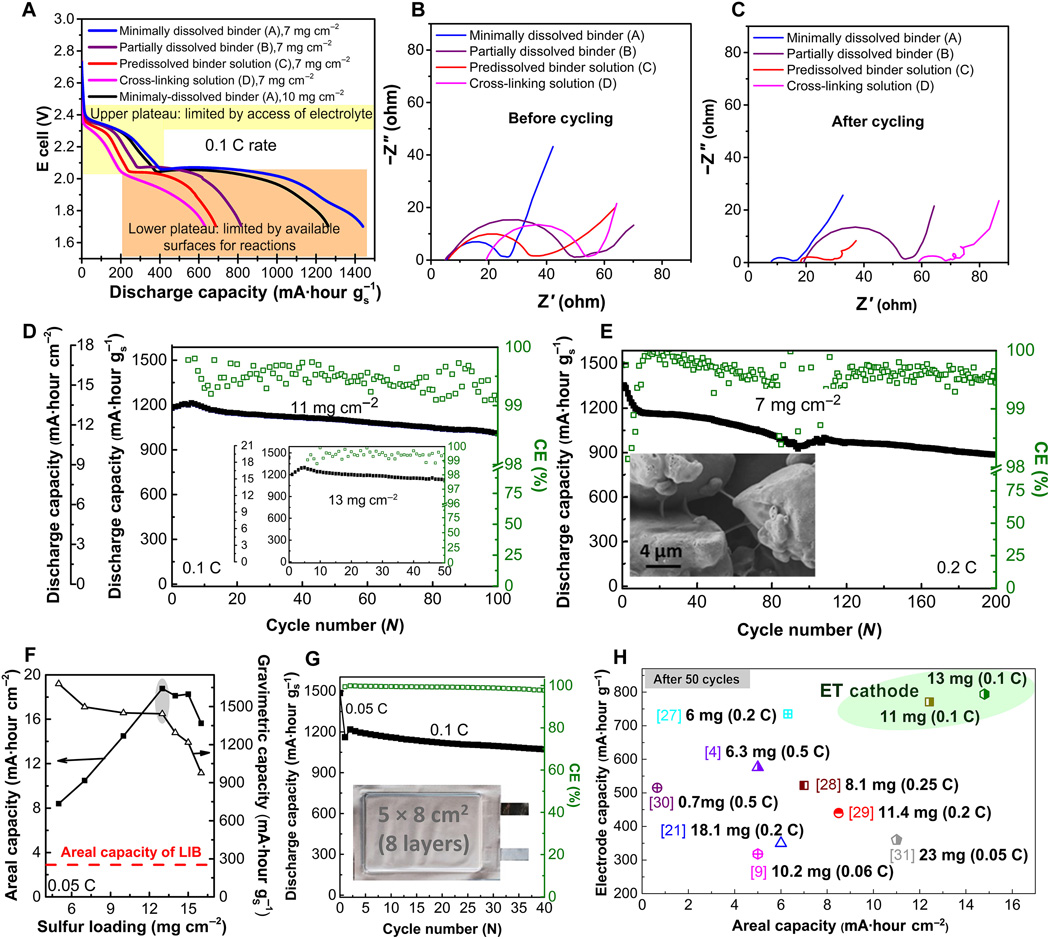
Australian academics have a filed patent (PCT/AU 2019/051239) on the manufacturing process for a lithium-sulphur battery capable of powering a smartphone for five continuous days. Even better for them, they got $2.5 million in government funding and industry partners to test it.

They say their ultra-high capacity Li-S battery has four times better performance and less environmental impact than current lithium-ion products. Improvements are certainly needed. Li-ion batteries were developed decades ago and while technology has zoomed into the future in many areas, in battery storage it has not. The lack of progress holds back applications that require storage, like solar power.
With health insurance costs having gone up for many Americans by 300 percent since the implementation of the Affordable Care Act, there is concern about ways to contain costs.

No one is willing to contain costs when it comes to children, a new study shows. In America's sue-and-settle culture, the big cost for medicine was not drugs or malpractice insurance, it was "defensive" medicine; running tests doctors know patients don't need, or providing a treatment that won't help, because they have to check off every box to prevent lawyers waiting to sue for malpractice.