Banner
Pilot Study: Fibromyalgia Fatigue Improved By TENS Therapy

Fibromyalgia is the term for a poorly-understood condition where people experience pain and fatigue...

High Meat Consumption Linked To Lower Dementia Risk

Older people who eat large amounts of meat have a lower risk of dementia and cognitive decline...

Long Before The Inca Colonized Peru, Natives Had A Thriving Trade Network

A new DNA analysis reveals that long before the Incan Empire took over Peru, animals were...

Mesolithic People Had Meals With More Tradition Than You Thought

The common imagery of prehistoric people is either rooting through dirt for grubs and picking berries...

User picture.
News StaffRSS Feed of this column.

News Releases From All Over The World, Right To You... Read More »

Blogroll
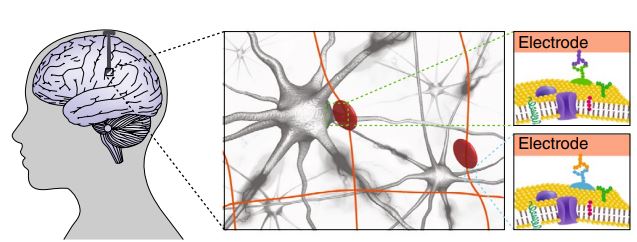
Implanted brain electrodes can help alleviate symptoms of tremors like with Parkinson's disease but current probes face limitations due to their size and inflexibility.

Neurotechnology may be on the verge of a major renaissance and mesh electronics could lead to a way to design personalized electronic treatment for just about anything related to the brain.
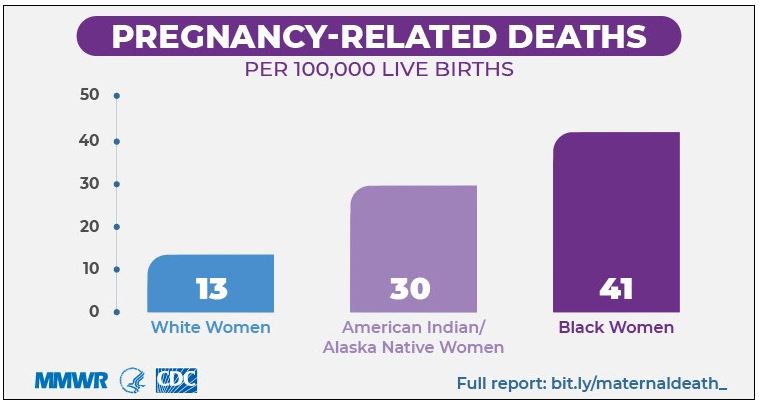
Emily E. Petersen, MD; Nicole L. Davis, PhD; David Goodman, PhD; et al. have produced a report on racial disparities in pregnancy-related deaths between 2007 and 2016.

The sample is small, only about 700 women die of pregnancy or its complications each year, and that is out of 6,000,000 pregnancies, so it is hard to draw conclusions but data from CDC’s Pregnancy Mortality Surveillance System (PMSS) for 2007–2016 find that black and American Indian/Alaska Native women had significantly more pregnancy-related deaths per 100,000 births than did white, Hispanic, and Asian/Pacific Islander women. 
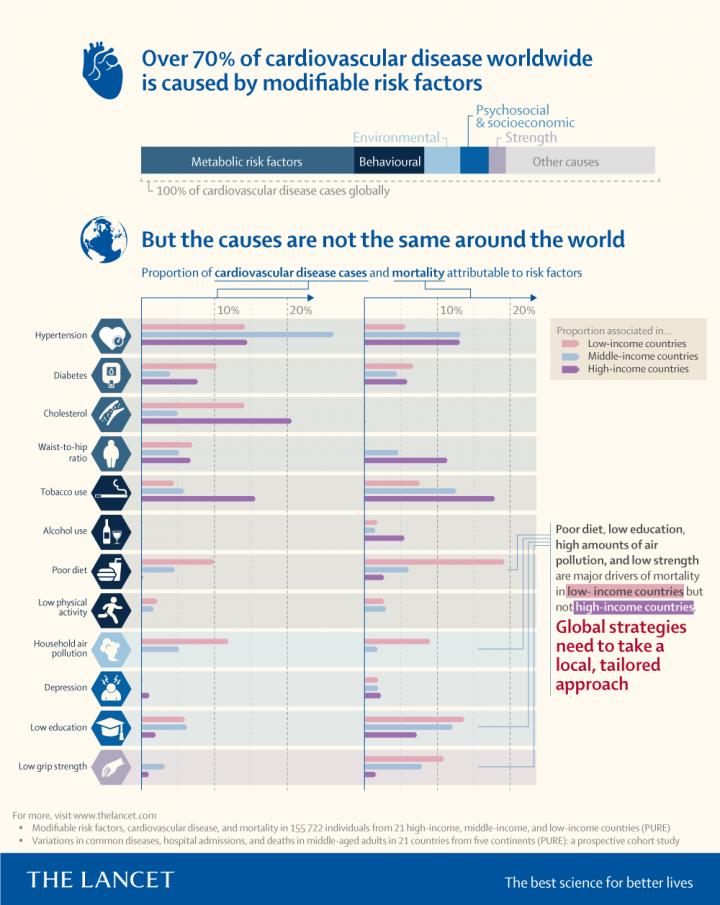
Two statistical analyses looked at common disease incidence, hospitalization and death, plus modifiable cardiovascular risk factors in middle-aged adults across 21 High-Income, Middle-Income, and Low-Income Countries and found that cancer is now the leading cause of death in wealthier countries.

That's a good thing. It means cardiovascular deaths are in decline, which means greater longevity. The number one risk factor for cancer is instead age.
Scientists believe two large holes in the roof of a T. rex's skull, called the dorsotemporal fenestra, were filled with muscles that assist with jaw movements. 

But Casey Holliday, a professor of anatomy at University of Missouri-Columbia, didn't think that made much sense. "It's really weird for a muscle to come up from the jaw, make a 90-degree turn, and go along the roof of the skull. Yet, we now have a lot of compelling evidence for blood vessels in this area, based on our work with alligators and other reptiles."
Humanities academics have so long signaled toward progressivism - even when progressives were eugenicists - that it is harm to imagine that they wouldn't become more inclusive without having it called out, but perhaps that is the nature of truly lacking inclusivity. 

You don't know you are missing something if everyone tells you that you're not. Like intolerance for plagiarism.
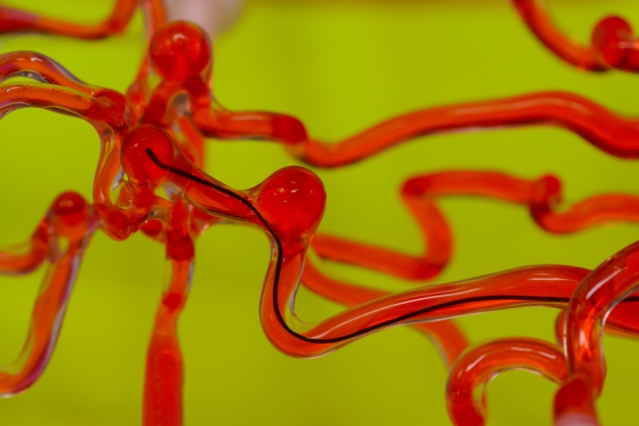
To clear blood clots in the brain, doctors often perform an endovascular procedure, where a surgeon inserts a thin wire through a patient’s main artery, usually in the leg or groin. Guided by a fluoroscope that simultaneously images the blood vessels using X-rays, the surgeon then manually rotates the wire up into the damaged brain vessel.

A catheter can then be threaded up along the wire to deliver drugs or clot-retrieval devices to the affected region.

Soon, a snake may be able to do it without the exhausting manual effort by a surgeon.