Banner
Pilot Study: Fibromyalgia Fatigue Improved By TENS Therapy

Fibromyalgia is the term for a poorly-understood condition where people experience pain and fatigue...

High Meat Consumption Linked To Lower Dementia Risk

Older people who eat large amounts of meat have a lower risk of dementia and cognitive decline...

Long Before The Inca Colonized Peru, Natives Had A Thriving Trade Network

A new DNA analysis reveals that long before the Incan Empire took over Peru, animals were...

Mesolithic People Had Meals With More Tradition Than You Thought

The common imagery of prehistoric people is either rooting through dirt for grubs and picking berries...

User picture.
News StaffRSS Feed of this column.

News Releases From All Over The World, Right To You... Read More »

Blogroll
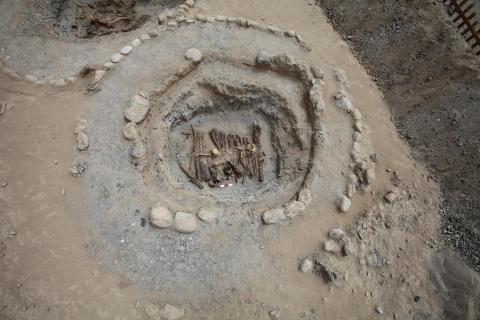
Cannabis, known as marijuana in the U.S., Cannabis has been cultivated for millennia in East Asia and like many drugs exported from there to become one of the most widely used psychoactive drugs in the world today.

But now archaeologists have tracked down its earliest known use: 2,500-year-old funerary incense burners from the Jirzankal Cemetery in the eastern Pamirs. 
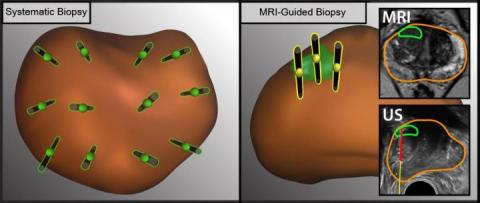
Each year, 1 million men in the U.S. undergo biopsies to determine whether they have prostate cancer because ultrasound imaging cannot clearly display the location of tumors in the prostate gland.

Ultrasound has been used to visualize the prostate in order to take a representative sampling of tissue to biopsy but with MRI doctors can see specific lesions in the prostate and only take tissue samples from those spots.

Why aren't those two sampling methods used in combination?

A multidisciplinary team has found that biopsy guided by magnetic resonance imaging increases the rate of prostate cancer detection.

If you read the Harry Potter series of novels or saw the films, you've known that fiction has people moving in and out of photographs - now that magic has been brought to real life.

The University of Washington algorithm Photo Wake-Up was posted in preprint form on arXiv in December and created a buzz because it can take a person from a 2D photo or a work of art and make them run, walk or jump out of the frame. The system also allows users to view the animation in three dimensions using augmented reality tools. Next week at the Conference on Computer Vision and Pattern Recognition in Long Beach, California, the researchers will be showing results.
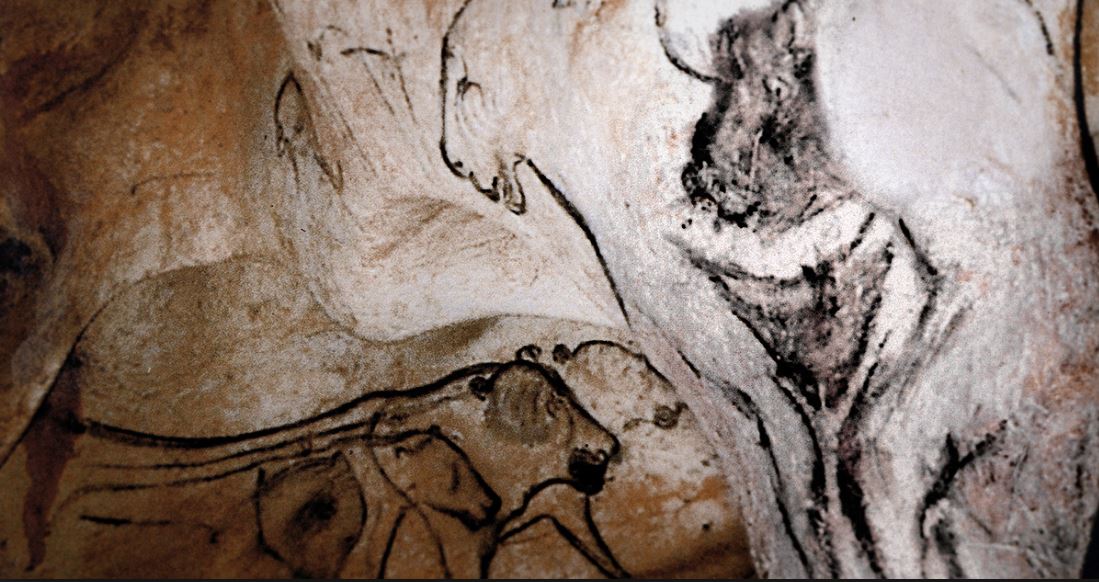
The Neolithic period, the end of the Stone Age and the beginning of civilizations, began about 12,000 years ago with the advent of agriculture in the Epipalaeolithic Near East. It spread to other parts of the world.

It provides not just the first evidence of farming, it also provides early evidence of gender inequality. according to a paper by researchers from the Department of Prehistory and Archaeology at the University of Seville who study prehistoric societies in the Neolithic Period in the Iberian Peninsula.
When we think of agriculture, we don't think of nomadic hunter-gatherers who simply followed nature rather than harnessing it. 

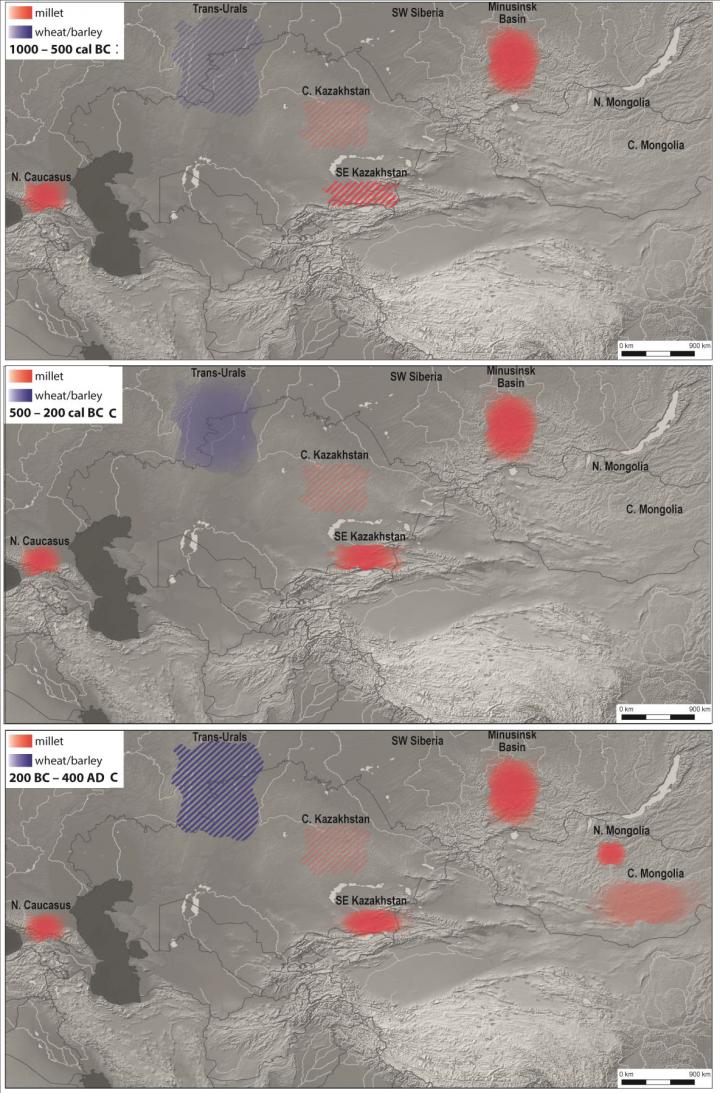
But they engaged in trade also. Millet, originally domesticated in China, was likely consumed at low levels by pastoralists inhabiting the far-flung regions of Siberia and southeastern Kazakhstan, possibly as early as the late third millennium but with the expansion of trans-regional networks across the steppe, when objects and ideas were first regularly exchanged over long-distances, millet consumption began to increase.  
It's quite common for the circle of life to have animals eating plants in order to become bigger food for other animals and then animals die and become food for organisms in the soil but nature has flipped the script again.