Banner
Pilot Study: Fibromyalgia Fatigue Improved By TENS Therapy

Fibromyalgia is the term for a poorly-understood condition where people experience pain and fatigue...

High Meat Consumption Linked To Lower Dementia Risk

Older people who eat large amounts of meat have a lower risk of dementia and cognitive decline...

Long Before The Inca Colonized Peru, Natives Had A Thriving Trade Network

A new DNA analysis reveals that long before the Incan Empire took over Peru, animals were...

Mesolithic People Had Meals With More Tradition Than You Thought

The common imagery of prehistoric people is either rooting through dirt for grubs and picking berries...

User picture.
News StaffRSS Feed of this column.

News Releases From All Over The World, Right To You... Read More »

Blogroll
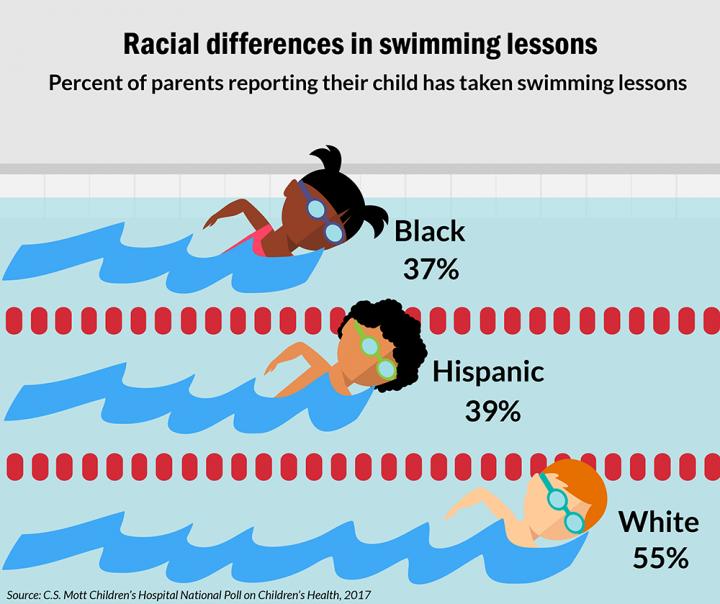
A new national poll says that parents are in a panic about things like swimming pools.

Least likely to think their kids can swim; black parents. A slight majority of white parents are fine with kids swimming sans parental hovering. Almost all parents think a natural lake (84 percent) or ocean (87 percent) , lacking concrete and a diving board, is too dangerous to be allowed. Only 63 percent would even allow kids to swim in their backyard. 

Granted, pools can be dangerous, with some 5,000 child and teen injuries a year and around 1,000 drowning deaths occurring, but it shows we are bad at evaluating risk. Sharks attack fewer people than cows do, but who do you think parents worry more about after Shark Week?
We are at the top of the food chain, but some of our senses got short shrift when it came to other animals. Dogs can hear at frequencies we can't, mantis shrimp got 16 visual pigments and we are stuck with just 3.5, and don't even get other animals started on our pathetic sense of smell.

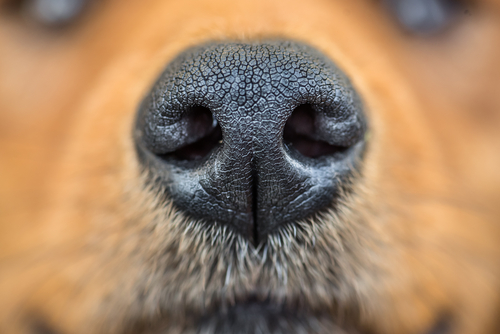
But a weak nose in humans is really just a 19th century myth that won't go away, like homeopathy and organic food, according to a new analysis. Instead of being limited to a paltry 10,000 odors, humans can discriminate maybe one trillion different ones, the same as dogs and rodents. 
The faulty persistent claim is thanks to Paul Broca, a 19th century brain surgeon and anthropologist as the culprit for the falsehood that humans have an impoverished olfactory system.
There has been some ongoing concern about bee colonies, even fears of an impending "colony collapse disorder", but both the fears and the causes have been misplaced, recent studies have shown.

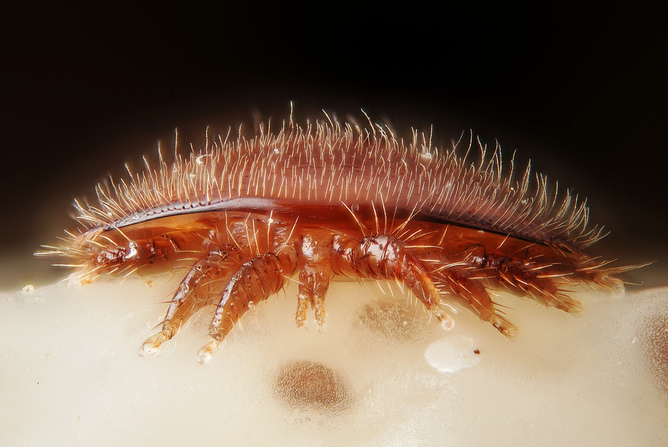
Rather than being a mysterious effect due to pesticides (like neonicotinoids) slight variations in bee populations remain the fault of parasites. Yet that brings its own mystery. Varroa mites, the biggest culprit, are not very mobile. 
Atrial fibrillation and flutter (also known as AFF) is associated with serious health problems and is a significant contributor to death rates. Knowing that, why would there be different death rates for male and female patients who presented with AFF to emergency departments and then discharged? Even 30 and 90 days after discharge. 

AFF is an irregular heartbeat (arrhythmia) that is associated with blood clots to the brain (e.g., stroke) and other organs, heart failure, and sometimes death. It affects approximately 2.66 million Americans. 
Though men and women obviously differ, that has become muddled in the name of equality. Drug reactions are different, obviously one gender gives birth to children. 

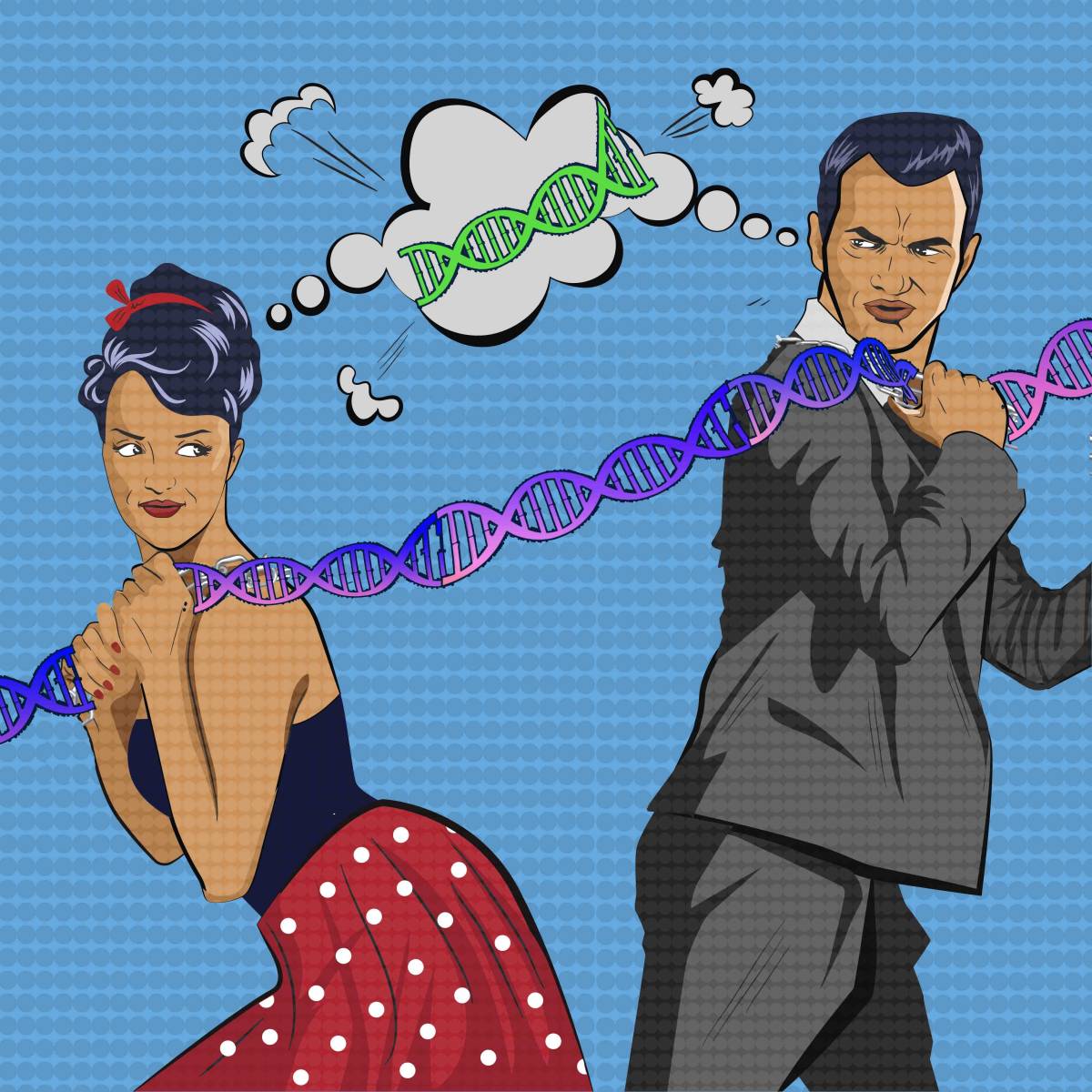
A new study shows there are still many similarities, but also a whole lot of biological differences not in genes, but in gene expression. Their findings showed that harmful mutations in these particular genes tend to accumulate in the population in relatively high frequencies, and the study explains why. The detailed map of these genes provides evidence that males and females undergo a sort of separate, but interconnected, evolution.  
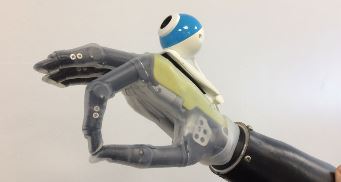
Prosthetics may look better but they have not really changed much in the last 100 years. That could soon change. The next generation of hand prosthetics may be far more like a real hand - they could allow the wearer to reach for objects almost automatically, without really thinking, like real hands do now.

Current prosthetic hands are controlled via myoelectric signals - that is electrical activity of the muscles recorded from the skin surface of the stump.In the US there are 500,000 upper limb amputees a year.