Banner
Pilot Study: Fibromyalgia Fatigue Improved By TENS Therapy

Fibromyalgia is the term for a poorly-understood condition where people experience pain and fatigue...

High Meat Consumption Linked To Lower Dementia Risk

Older people who eat large amounts of meat have a lower risk of dementia and cognitive decline...

Long Before The Inca Colonized Peru, Natives Had A Thriving Trade Network

A new DNA analysis reveals that long before the Incan Empire took over Peru, animals were...

Mesolithic People Had Meals With More Tradition Than You Thought

The common imagery of prehistoric people is either rooting through dirt for grubs and picking berries...

User picture.
News StaffRSS Feed of this column.

News Releases From All Over The World, Right To You... Read More »

Blogroll

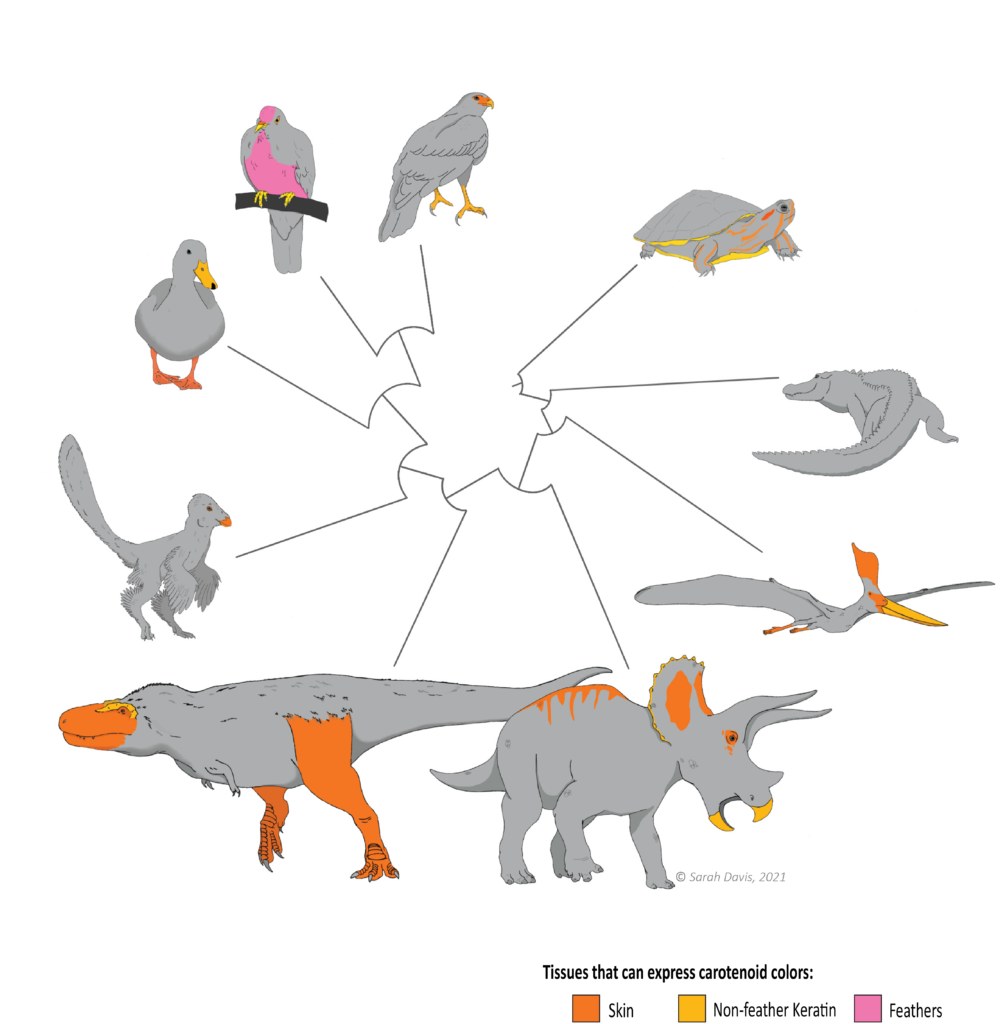
Popular imagery is that dinosaurs were a bland color, but most birds are have bland color palates as well. Then you have parrots or peacocks. In between the extremes of bland and flamboyant, there are pink pigeon feet, red rooster combs and yellow pelican pouches.

That may have been the case for dinosaurs as well. There’s a good chance that extinct dinosaurs rocked pops of color on similar body parts and may have flashed their colors to entice mates, just as birds do today, according to a study in the journal Evolution led by researchers at The University of Texas at Austin.

A new study finds that what once were just alcohol-related car crashes have now involved marijuana as the former illegal drug has been legalized and normalized in the last 20 years.  Fatal car accidents involving alcohol have remained relatively constant over the last two decades, according to the National Highway Traffic Safety Administration, with 2019 reaching the lowest levels since 1982.
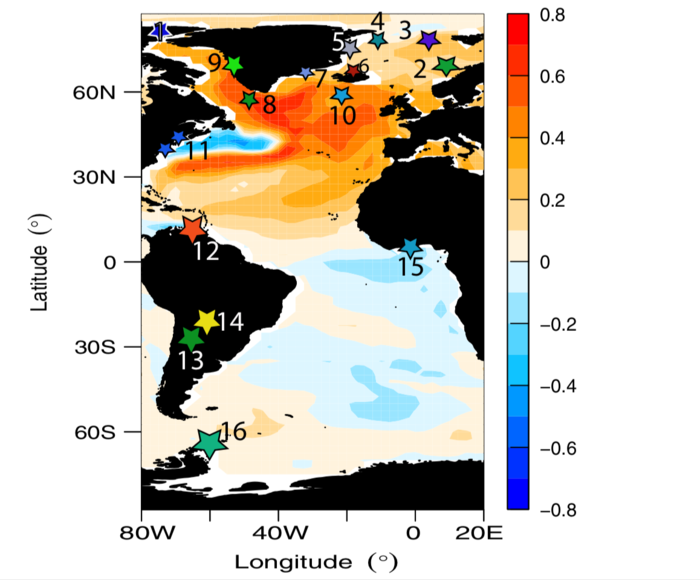
The Little Ice Age, lasting from early 15th to mid-19th centuries, was one of the coldest periods of the past 10,000 years - since the last real Ice Age ended.

Why it happened is one of the persistent questions in historical climatology.

The cold spell set in around 600 years ago and was responsible for crop failures, famines and pandemics throughout Europe, resulting in misery and death. A sudden change from very warm conditions in the late 1300s switched to unprecedented cold conditions only 20 years later.
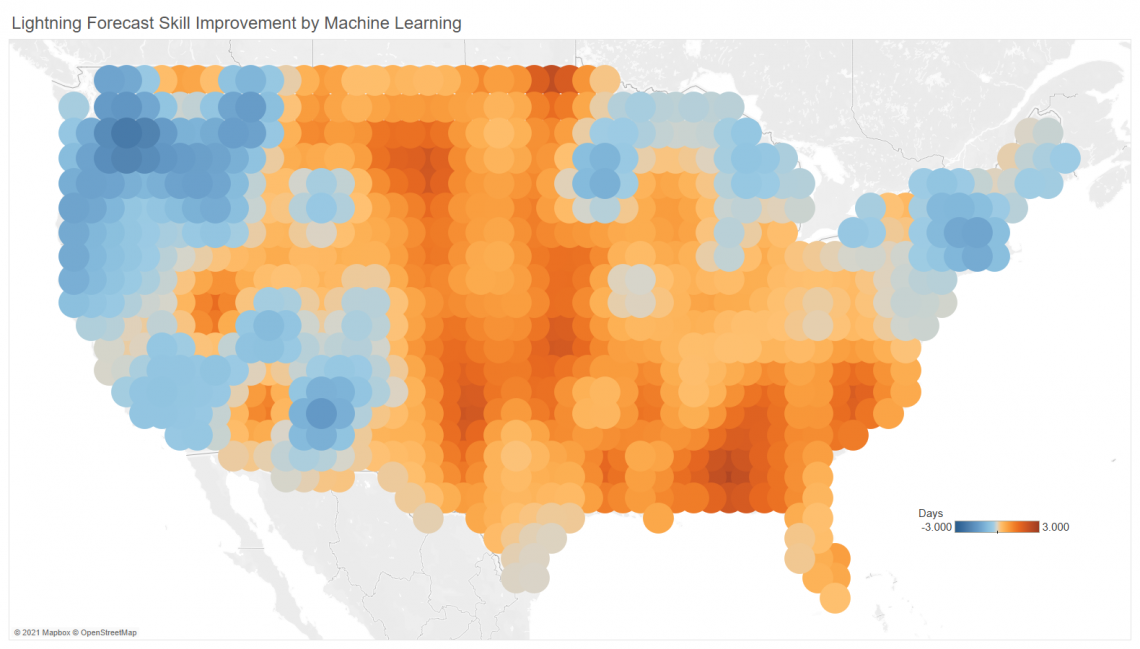
There is a saying that goes 'lightning doesn't strike in the same place twice' but it was never wise to bet your life on it. What it means is that getting hit at all is rare, for a human well over a 1 in 1,000,000 chance, but even if only 300 people are hit and under die, it still happens a lot to other things. The Empire State building in New York City gets hit 25 times each year.

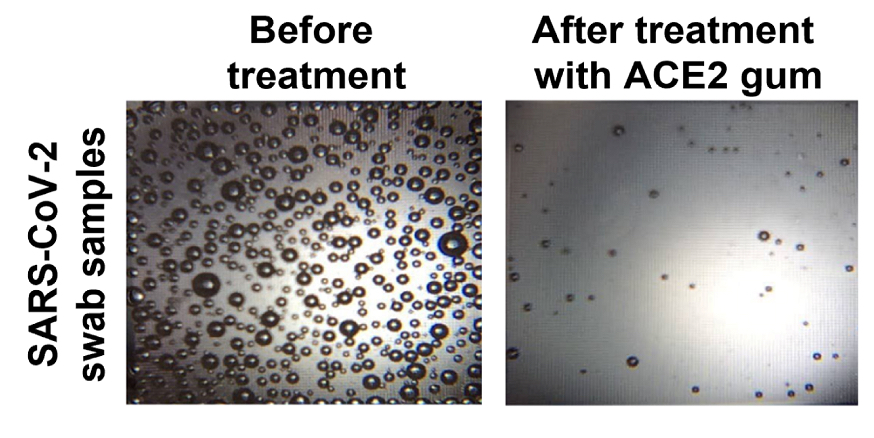
A recent study finds that chewing gum laced with a plant-grown protein named ACE2 serves as a “trap” for the SARS-CoV-2 virus, reducing viral load in saliva and potentially tamping down transmission.

Vaccinations for COVID-19 have begun to stamp out the pandemic but even people who are fully vaccinated can still become infected with SARS-CoV-2. Scientists are on the hunt for new ways to neutralize the virus before it can harm people with co-morbidities.

People age differently but it is unclear why. Some argue it is mitochondria while others contend it is equally nebulous epigenetics - a broad umbrella term for changes in genes that don't impact DNA but have been correlated to everything from probiotic yogurt to homeopathy.

Because so-called “epigenetic clocks” occur at different times in different people they don't seem like clocks at all. There is little use for a clock that only gives you subjective time. A new study hopes to change that, and argues that one such clock, named “GrimAge”, might be a predictor of lifespan and health.