Banner
Social Media Is A Faster Source For Unemployment Data Than Government

Government unemployment data today are what Nielsen TV ratings were decades ago - a flawed metric...

Gestational Diabetes Up 36% In The Last Decade - But Black Women Are Healthiest

Gestational diabetes, a form of glucose intolerance during pregnancy, occurs primarily in women...

Object-Based Processing: Numbers Confuse How We Perceive Spaces

Researchers recently studied the relationship between numerical information in our vision, and...

Males Are Genetically Wired To Beg Females For Food

Bees have the reputation of being incredibly organized and spending their days making sure our...

User picture.
News StaffRSS Feed of this column.

News Releases From All Over The World, Right To You... Read More »

Blogroll
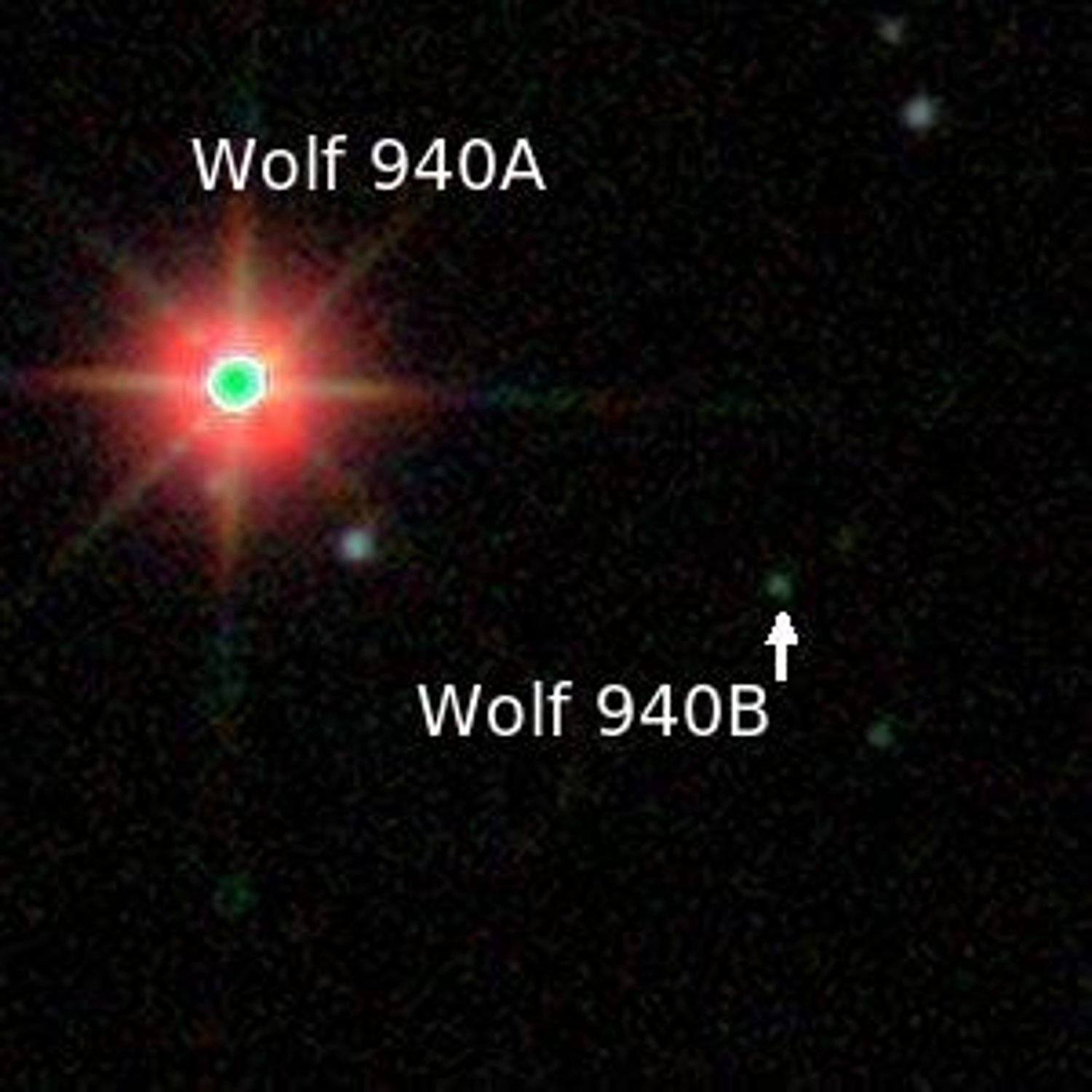
An international team  have discovered one of the coolest sub-stellar bodies ever found outside our own solar system, orbiting the red dwarf star Wolf 940, some 40 light years from Earth.

The object is thought to have formed like a star, but has ended up looking more like Jupiter. It is roughly the same size, despite being between 20 and 30 times as heavy, and when the infrared spectral "fingerprints" of the two objects are compared, their resemblance is striking.

The new object orbits its star at about 440 times the distance at which the Earth orbits the sun. At such a wide distance, it takes about 18,000 years to complete a single orbit.
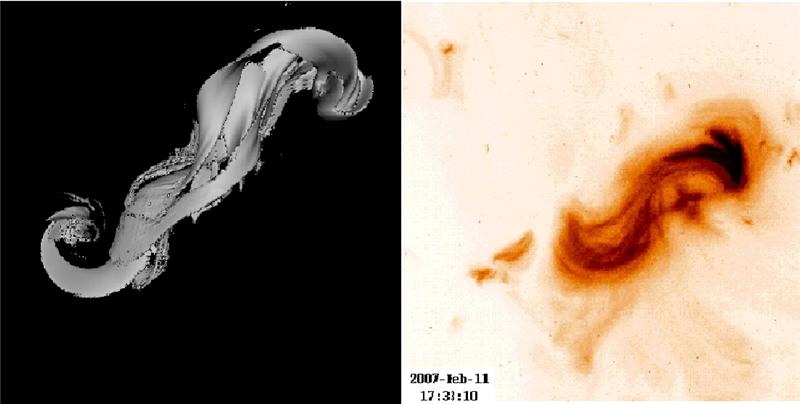
'Sigmoids' are S-shaped structures found in the outer atmosphere of the Sun (the corona), seen with X-ray telescopes and thought to be a crucial part of explosive events like solar flares. Now a group of astronomers have developed the first model to reproduce and explain the nature of the different stages of a sigmoid’s life.
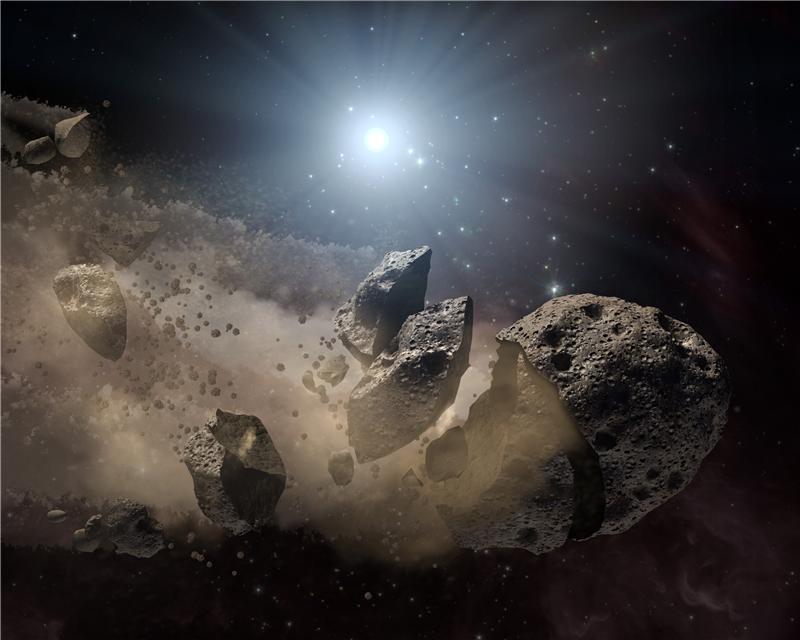
Using NASA’s Spitzer Space Telescope, an international team of astronomers have found that at least 1 in 100 white dwarf stars show evidence of orbiting asteroids and rocky planets, suggesting these objects once hosted Solar Systems similar to our own. Team member Dr Jay Farihi of the University of Leicester will present this discovery on Monday 20th April at the European Week of Astronomy and Space Science conference at the University of Hertfordshire.
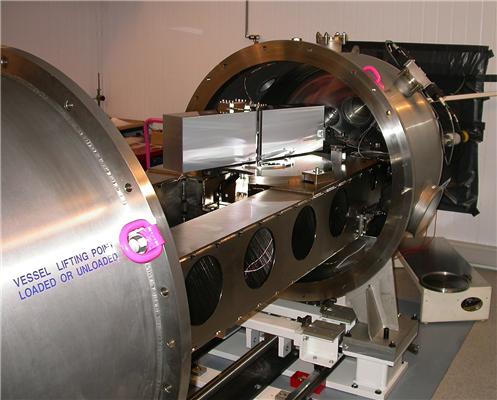
Astronomers have announced plans to build an ultra-stable, high-precision spectrograph for the Science and Technology Facilities Council's 4.2-m William Herschel Telescope (WHT - part of the Isaac Newton Group or ING on La Palma) in an effort to discover habitable Earth-like planets around other stars. Dr Ian Skillen of the ING will present the new High Accuracy Radial-velocity Planet Search – New Earths Facility (HARPS-NEF) spectrograph in a poster on Monday 20th April at the European Week of Astronomy and Space Science conference at the University of Hertfordshire.
Cancer patients can survive longer under treatments based on their individual genetic profiles, according to a nationwide study released jointly today by Phoenix-area healthcare organizations.  The study says that molecular profiling of patients can identify specific treatments for individuals, helping keep their cancer in check for significantly longer periods, and in some cases even shrinking tumors.

Study results were released today at the 100th annual meeting of the American Association for Cancer Research in Denver by Dr. Daniel Von Hoff, Physician-In-Chief of the Phoenix-based Translational Genomics Research Institute (TGen), and the study's Principal Investigator.
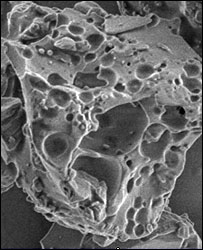
In the 1960s and early 1970s, the Apollo Moon Program struggled with a formidable enemy that was sometimes more formidable than others: sticky lunar dust. Four decades later, a new study says they now know why; forces that compel lunar dust to cling to surfaces change during the lunar day - with the elevation of the sun.

The study analyzes the interactions on the Moon among electrostatic adhesive forces, the angle of incidence of the sun's rays, and lunar gravity. It concludes that the stickiness of lunar dust on a vertical surface changes as the sun moves higher in the sky, eventually allowing the very weak lunar gravity to pull the dust off.