Once thought to be only the realm of the blue-ringed octopus, researchers have now shown that all octopuses and cuttlefish, and some squid are venomous. The work indicates that they all share a common, ancient venomous ancestor and highlights new avenues for drug discovery.
Conducted by scientists from the University of Melbourne, University of Brussels and Museum Victoria, the study was published in the Journal of Molecular Evolution.
Dr Bryan Fry from the Department of Biochemistry at the Bio21 Institute, University of Melbourne said that while the blue-ringed octopus species remain the only group that aredangerous to humans, the other species have been quietly using their venom for predation, such as paralysing a clam into opening its shell.
Sleep is such an essential part of human existence that we spend about a third of our lives doing it -- some more successfully than others. Sleep disorders afflict some 50-70 million people in the United States and are a major cause of disease and injury. People who suffer from disturbed sleep have an increased risk of heart attack, stroke, hypertension, obesity, depression, and accidents. Nearly a fifth of all serious car crashes, in fact, are linked to sleeplessness.
Diagnosing sleep disorders is not necessarily easy. In standard "sleep studies," people spend one or more nights at hospitals or other inpatient centers, sleeping while sensors and electrodes attached to the head and torso record breathing, brain waves, heart rate, and other vital signs.
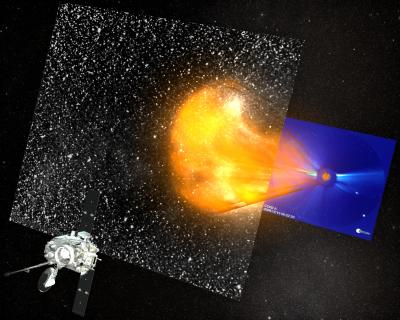
Twin NASA spacecraft have provided scientists with a view of the speed, trajectory, and three-dimensional shape of powerful explosions from the sun known as coronal mass ejections, or CMEs. This new capability will dramatically enhance scientists' ability to predict if and how these solar tsunamis could affect Earth.
When directed toward our planet, these ejections can be breathtakingly beautiful and yet potentially cause damaging effects worldwide. The brightly colored phenomena known as auroras -- more commonly called Northern or Southern Lights -- are examples of Earth's upper atmosphere harmlessly being disturbed by a CME. However, ejections can produce a form of solar cosmic rays that can be hazardous to spacecraft, astronauts and technology on Earth.
Neanderthals, a distinct Middle Pleistocene population, inhabited a vast geographical area extending from Europe to western Asia and the Middle East from 30,000 to 100,000 years ago. Were they a homogenous group or separate sub-groups in which differences could be observed?
Paleoanthropological studies since the 1950s, based on morphological skeletal evidence, have offered some support for the existence of three different sub-groups: one in Western Europe, one in southern Europe and another in the Levant.
A UQ researcher has revealed a new treatment for a speech disorder that commonly affects those who have suffered a stroke or brain injury.
PhD graduate Dr Rachel Wenke has shown in a recent study that the Lee Silverman Voice Treatment® may be an effective option for dysarthria patients suffering from stroke and traumatic brain injury (TBI).
Dysarthria is a speech disorder which negatively affects a person's ability to communicate as they can be difficult to understand and may sound like they have slurred or unclear speech.
The disorder affects 75% of individuals with Parkinson's disease, up to 30% of those who have experienced a stroke and about 60% of individuals with TBI.
If Mark Twain were alive today he might rephrase his frequently cited observation about everyone talking about the weather but not doing anything about it to say, "Everyone reads or watches weather forecasts, but many people don't understand them."
He'd do that because new research indicates that only about half the population knows what a forecast means when it predicts a 20 percent chance of rain, according to researchers at the University of Washington.


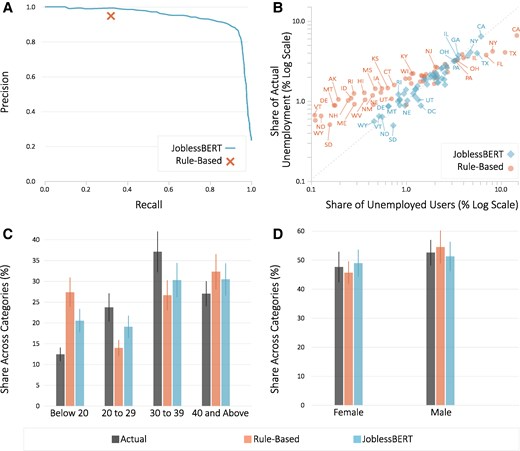 Social Media Is A Faster Source For Unemployment Data Than Government
 Gestational Diabetes Up 36% In The Last Decade - But Black Women Are Healthiest
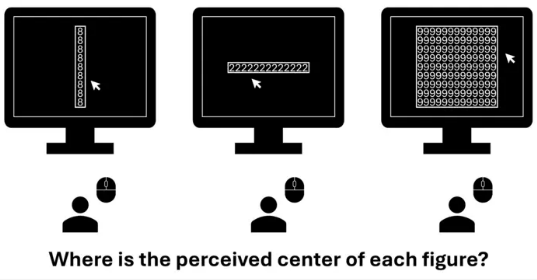 Object-Based Processing: Numbers Confuse How We Perceive Spaces
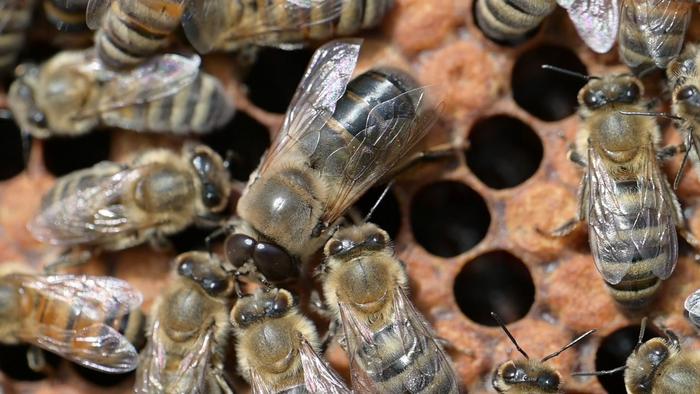 Males Are Genetically Wired To Beg Females For Food