Scientists have long been interested in the interplay of emotions and identity, and some have recently focused on cultural identity. One's heritage would seem to be especially stable and impervious to change, simply because it's been passed down generation after generation and is deeply ingrained in the collective psyche.
But how deeply, exactly?
Three recent African trials support male circumcision for reducing the risk of contracting HIV in heterosexual men. After including new data from these trials in their review, Cochrane Researchers have changed their previous conclusions that there was insufficient evidence to recommend circumcision as an intervention to prevent HIV infection in heterosexual men.
Drugs and radiotherapy given for cancer can cause unpleasant side effects such as nausea and vomiting, mouth sores, dermatitis, and menopausal symptoms. Around a third of patients with cancer use complementary therapies, including homeopathic medicines, to try to reduce these side effects. In a systematic review of randomised controlled trials, Cochrane Researchers examined recent evidence for the safety and effectiveness of homeopathic medicines used in this way.
Runners clutching bottles of energy drink are a common sight, and it has long been known that sugary drinks and sweets can significantly improve athletes' performance in endurance events. The question is how?
Clearly, 'sports' drinks and tablets contain calories. But this alone is not enough to explain the boost, and the benefits are felt even if the drink is spat out rather than swallowed. Nor does the sugary taste solve the riddle, as artificial sweeteners do not boost performance even when they are indistinguishable from real sugars.
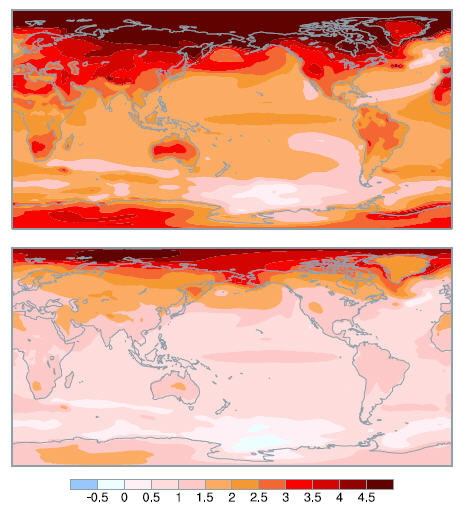
The threat of global warming can still be greatly diminished if nations cut emissions of heat-trapping greenhouse gases by 70 percent this century, according to a new analysis.
While global temperatures would rise, the most dangerous potential aspects of climate change, including massive losses of Arctic sea ice and permafrost and significant sea-level rise, could be partially avoided.
"This important study, when taken with similar efforts, will help define a major challenge for society," says Cliff Jacobs of NSF's Atmospheric Sciences Division.
The benefits of physical activity and a balanced diet are well documented and form the basis of many public health recommendations; this is because each of these factors can independently influence risks for many chronic diseases such as obesity, type 2 diabetes, and some forms of cancer.
Some research also suggests that exercise and diet interact to influence health. For instance, exercising after short-term fasting (such as before breakfast) may increase the amount of fat burned. Similarly, consumption of a meal eliciting a low blood glucose response prior to exercise may also boost the use of body fat (instead of glucose).


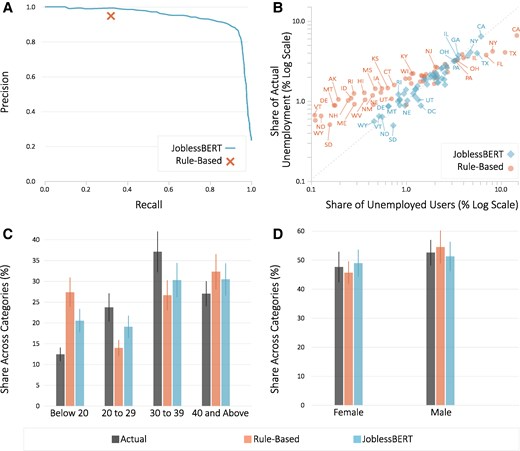 Social Media Is A Faster Source For Unemployment Data Than Government
 Gestational Diabetes Up 36% In The Last Decade - But Black Women Are Healthiest
 Object-Based Processing: Numbers Confuse How We Perceive Spaces
 Males Are Genetically Wired To Beg Females For Food