
Banner
Social Media Is A Faster Source For Unemployment Data Than Government

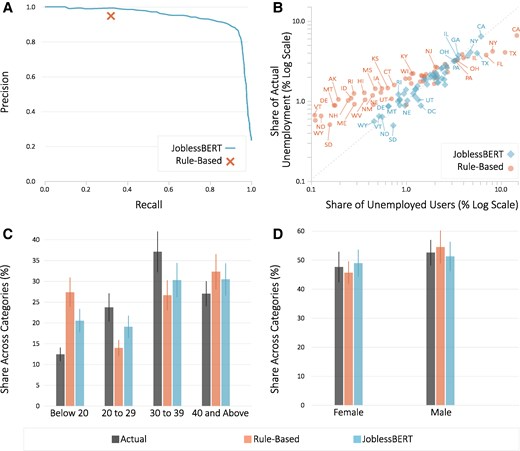
Government unemployment data today are what Nielsen TV ratings were decades ago - a flawed metric...
Gestational Diabetes Up 36% In The Last Decade - But Black Women Are Healthiest

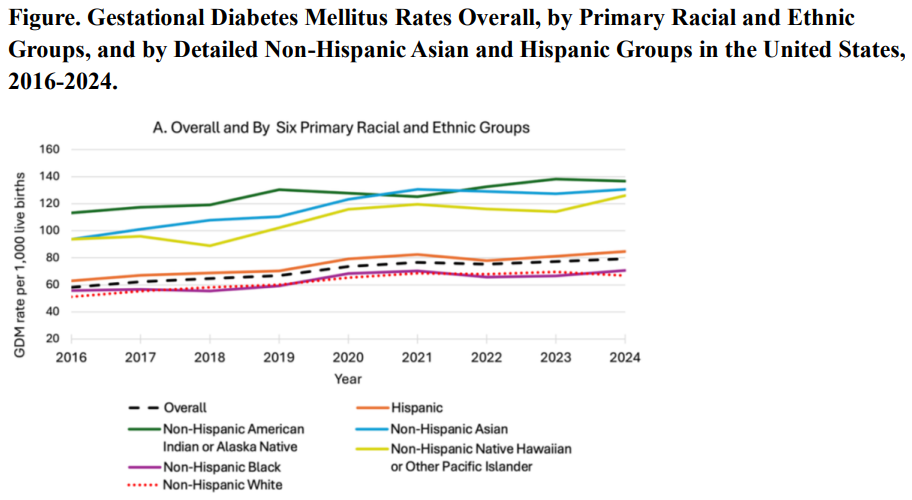
Gestational diabetes, a form of glucose intolerance during pregnancy, occurs primarily in women...
Object-Based Processing: Numbers Confuse How We Perceive Spaces

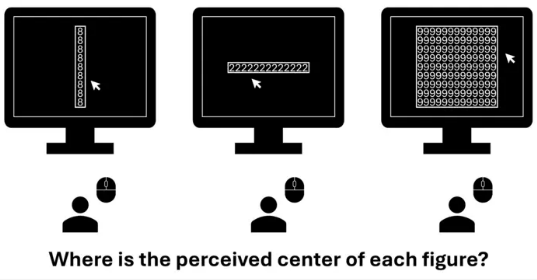
Researchers recently studied the relationship between numerical information in our vision, and...
Males Are Genetically Wired To Beg Females For Food

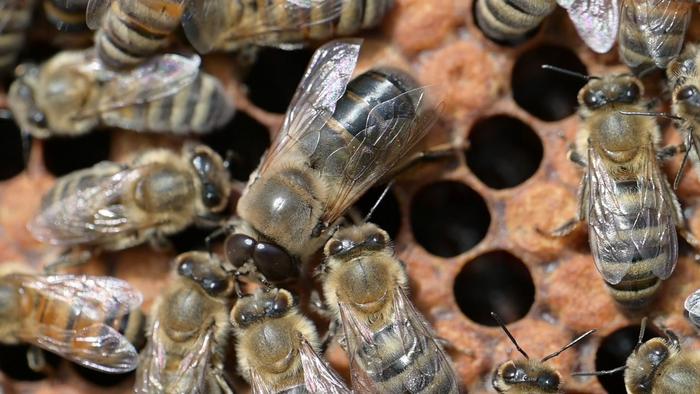
Bees have the reputation of being incredibly organized and spending their days making sure our...

User picture.
News StaffRSS Feed of this column.

News Releases From All Over The World, Right To You... Read More »

Blogroll

A team of UCSF researchers has used microRNAs to help turn adult mouse cells back to their embryonic state. These reprogrammed cells are pluripotent, meaning that, like embryonic stem cells, they have the capacity to become any cell type in the body.

A drop of blood or a chunk of tissue smaller than the period at the end of this sentence may one day be all that is necessary to diagnose cancers and assess their response to treatment, say researchers at the Stanford University School of Medicine.

In a Nature Medicine study, the scientists used a specialized machine capable of analyzing whether individual cancer-associated proteins were present in the tiny samples and even whether modifications of the proteins varied in response to cancer treatments. Although the study focuses on blood cancers, the hope is that the technique might also provide a faster, less invasive way to track solid tumors.

In parallel human and mouse studies, two groups of researchers have come to the same conclusion: that a new kind of gene is associated with progressive hearing loss. The new gene, a microRNA, is a tiny fragment of RNA that affects the production of hundreds of other molecules within sensory hair cells of the inner ear.   The research provides important new genetic understanding of a condition that is common in humans but remains poorly understood.
Universities, with a young  constituency and an employee base of academics interested in new discoveries and ways of communication, should have embraced social media early - but they have not and if they don't embrace new techniques in pedagogy they risk becoming seen as anachronisms in today’s hyper-connected world where information is available freely, says a University of Illinois expert who studies the knowledge economy’s effect on higher education.
Earthstock, Stony Brook University’s 8th annual week long awareness-raising celebration of Earth Day, kicks off at 10 am on Friday, April 17 with a full day of entertainment, food, refreshments, environmentally-oriented activities and visual displays situated all around the Academic Mall. 
It is a fact of science that people who consume fewer calories than they burn will lose weight.  It is 100 percent effective.   But it is equally well-known that some people cannot do that and neuroscience has yet to find a reasonable explanation for it.

For those who truly cannot lose weight by a disciplined approach to diet and exercise, surgery is a last resort but Nick Nicholson, M.D., weight loss surgeon on the medical staff at Baylor Regional Medical Center at Plano,  says outside the usual benefits, surgery can actually improve other health conditions. 

Here are 5 other improvements weight loss surgery can bring:






