Banner
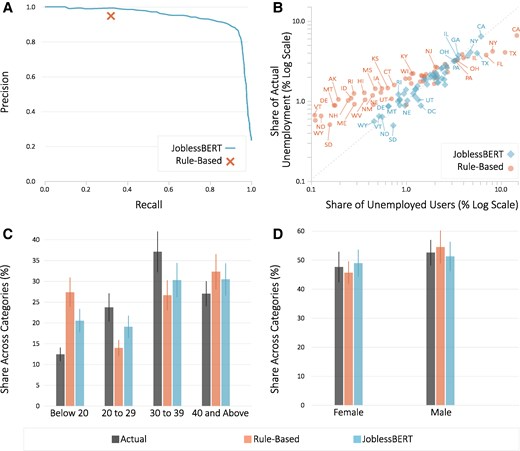
Social Media Is A Faster Source For Unemployment Data Than Government

Government unemployment data today are what Nielsen TV ratings were decades ago - a flawed metric...
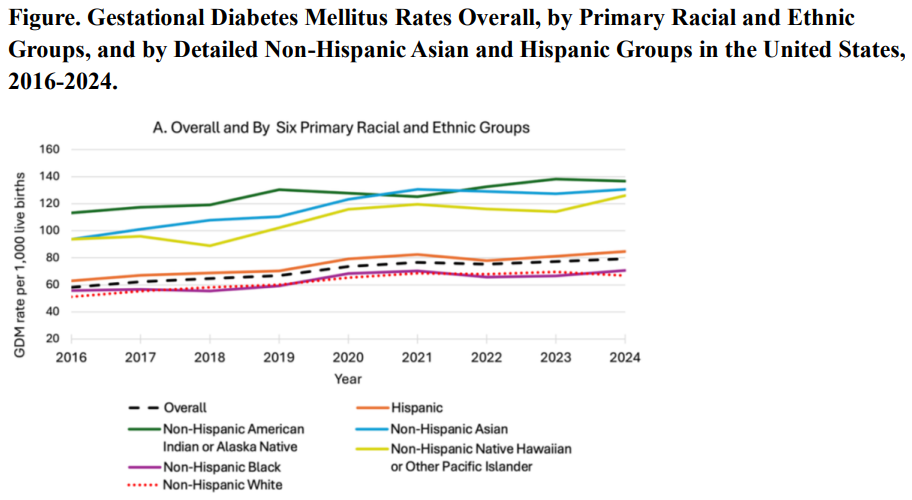
Gestational Diabetes Up 36% In The Last Decade - But Black Women Are Healthiest

Gestational diabetes, a form of glucose intolerance during pregnancy, occurs primarily in women...
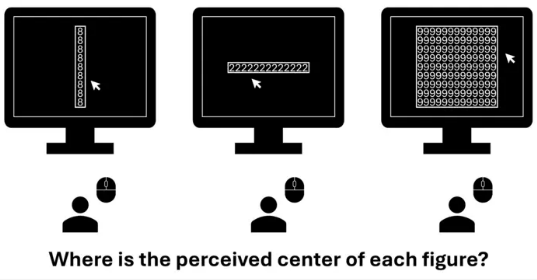
Object-Based Processing: Numbers Confuse How We Perceive Spaces

Researchers recently studied the relationship between numerical information in our vision, and...
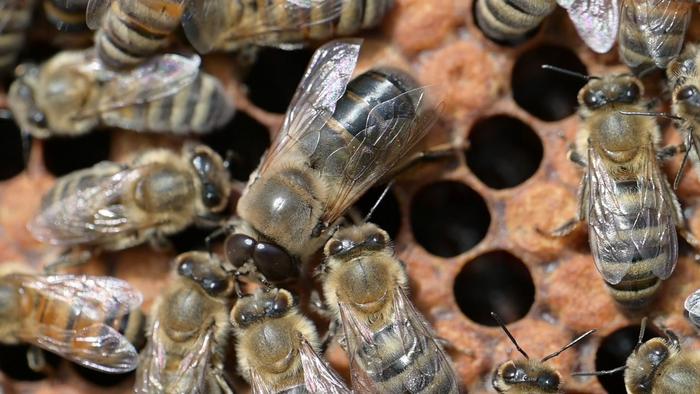
Males Are Genetically Wired To Beg Females For Food

Bees have the reputation of being incredibly organized and spending their days making sure our...

User picture.
News StaffRSS Feed of this column.

News Releases From All Over The World, Right To You... Read More »

Blogroll
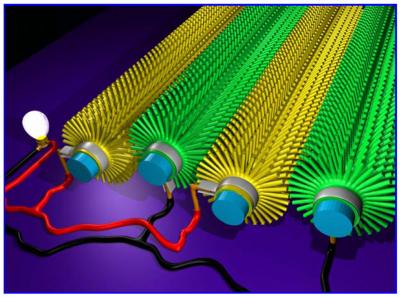
You may soon be able to say goodbye to batteries for your Blackberry or cell phone.  Instead, they will get power from just a wave of your hand.

In research presented at the ACS meeting in Salt Lake City, scientists describe technology that converts mechanical energy from body movements or even the flow of blood in the body into electric energy that can be used to power a broad range of electronic devices without using batteries.
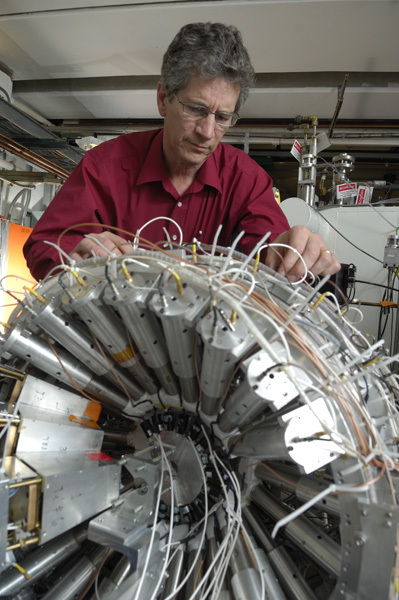
Research by Michigan State University scientists is helping shed light on neutron stars, city-sized globs of ultra-dense matter that occasionally collapse into black holes.

A team led by Betty Tsang, a professor at MSU’s National Superconducting Cyclotron Laboratory, has had some success in measuring a key nuclear quality that may make it easier to describe the outer crusts of such stars. 
If physicists lived in Flatland—the fictional two-dimensional world invented by Edwin Abbott in his 1884 novel—some of their quantum physics experiments would turn out differently (not just thinner) than those in our world.

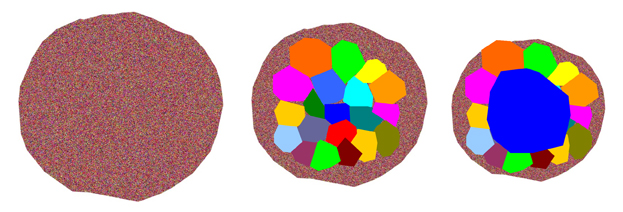
The distinction has taken another step from speculative fiction to real-world puzzle with a paper from the Joint Quantum Institute (JQI) reporting on a Flatland arrangement of ultracold gas atoms. The new results, which don’t quite jibe with earlier Flatland experiments in Paris, might help clarify a strange property: “superfluidity.”
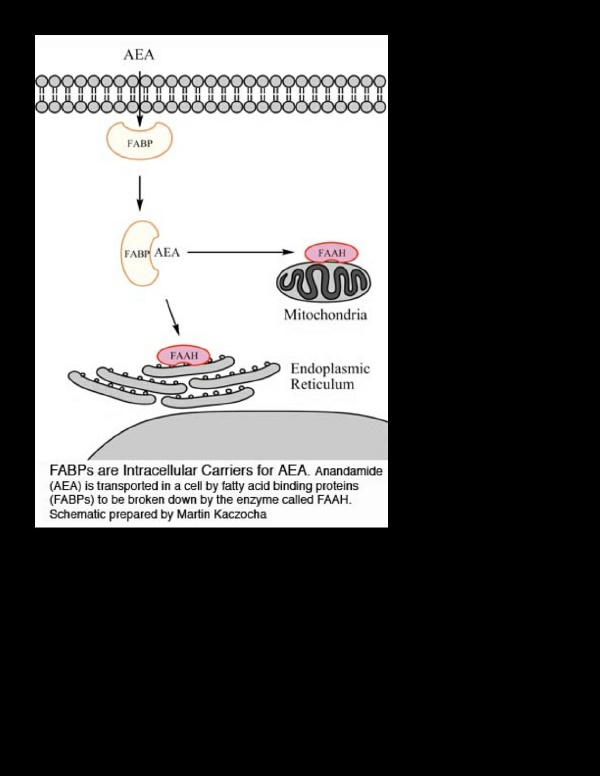
Dale Deutsch, Ph.D., Professor of Biochemistry and Cell Biology at Stony Brook University and colleagues discovered a new molecular mechanism for the processing of endocannabinoids, brain compounds similar to THC, the active ingredient in marijuana, and essential in physiological processes such as pain, appetite, and memory.   Reported online this week in the Proceedings of the National Academy of Sciences (PNAS), the finding could pave the way for new medicines for pain, addiction, appetite control and other disorders.

Researchers have discovered coral beds off the coast of Hawaii that are more than 4,200 years old, making them among the oldest living creatures on Earth.

The team was directed by Brendan Roark of Texas A&M's College of Geosciences and included colleagues from the University of California-Santa Cruz and Australian National University in Canberra.

Two different species of coral beds were documented using carbon dating methods, Roark says, with both being much older than previously believed. One species – Leiopathes – is now confirmed to be about 4,265 years old, while the other species, Gerardia, is believed to be about 2,742 years old.

The safety of early applications of synthetic biology may be adequately addressed by the existing regulatory framework for biotechnology, especially in contained laboratories and manufacturing facilities. But further advances in this emerging field are likely to create significant challenges for U.S. government oversight, according to a new report authored by Michael Rodemeyer of the University of Virginia. Synthetic biology promises major advances in areas such as biofuels, specialty chemicals, and agriculture and drug products.