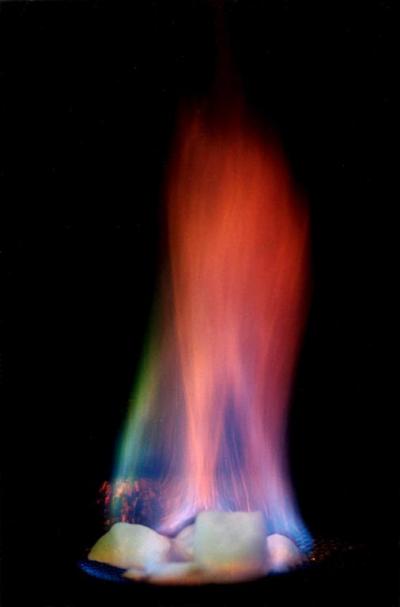
In the future, natural gas derived from chunks of ice that workers collect from beneath the ocean floor and beneath the arctic permafrost may fuel cars, heat homes, and power factories. Government researchers are reporting that these so-called "gas hydrates," a frozen form of natural gas that bursts into flames at the touch of a match, show increasing promise as an abundant, untapped source of clean, sustainable energy.
Gas hydrates, known as "ice that burns," hold special promise for helping to combat global warming by leaving a smaller carbon dioxide footprint than other fossil fuels.
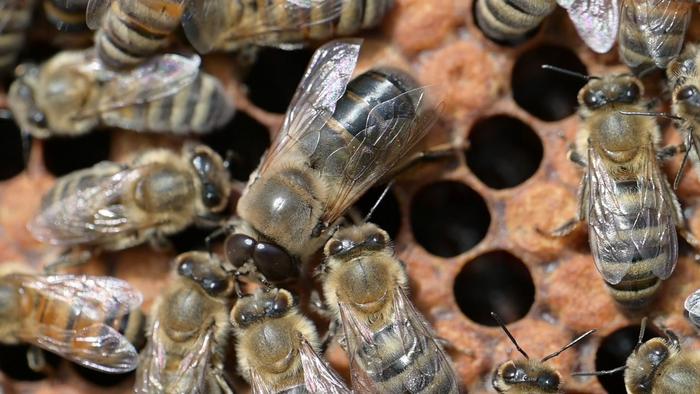
Insects such as honeybees and bumble bees are predictable in the way they move among flowers, typically moving directly from one flower to an adjacent cluster of flowers in the same row of plants. The bees' flight paths have a direct affect on their ability to hunt for pollen and generate "gene flow", fertilization and seed production that results when pollen moves from one plant to another. The study of gene flow has experienced more attention in part due to the recent introduction of genetically modified organisms (GMOs) into the environment.
The most abundant material on Earth exhibits some unusual chemical properties when placed under extreme conditions.
Lawrence Livermore National Laboratory scientists have shown that water, in hot dense environments, plays an unexpected role in catalyzing complex explosive reactions. A catalyst is a compound that speeds chemical reactions without being consumed. Platinum and enzymes are common catalysts. But water rarely, if ever, acts as a catalyst under ordinary conditions.
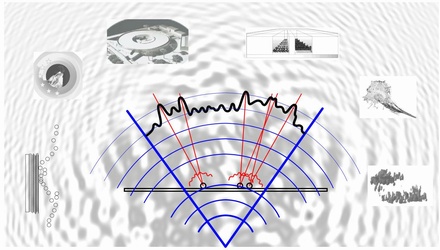
Detonations of high explosives made up of oxygen and hydrogen produce water at thousands of degrees Kelvin and up to 100,000 atmospheres of pressure, similar to conditions in the interiors of giant planets.
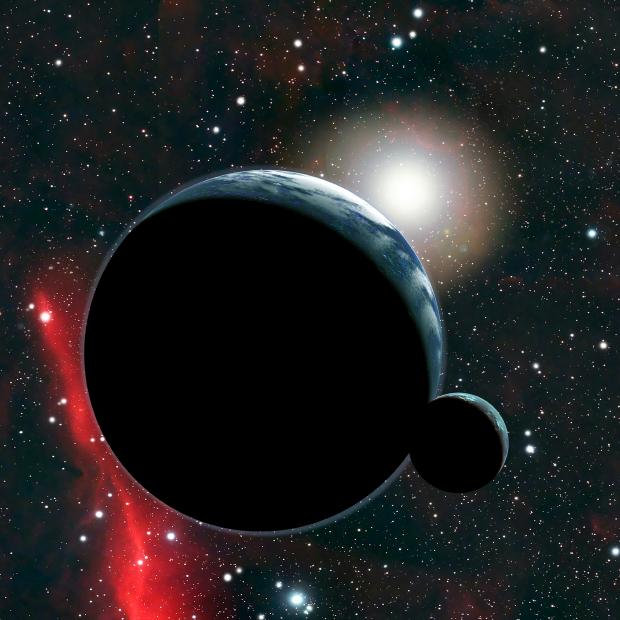
Does a twin Earth exist somewhere in our galaxy? NASA's
Kepler spacecraft just launched to find such worlds, though in a very specific area. If that search succeeds, the next questions driving research will be: Is that planet habitable? Does it have an Earth-like atmosphere?
Results of the first human clinical studies confirm that a new yogurt fights the bacteria that cause gastritis and stomach ulcers with what researchers describe as almost vaccine-like effects, according to scientists at the 237th National Meeting of the American Chemical Society.
Lighting consumes one-fifth of the electricity generated in the United States. Solid-state lighting offers tremendous potential to improve the situation – once major research challenges are overcome.
The most promising technology is the organic light-emitting diode, or OLED. These multi-layered devices produce light by running an electrical current through a specially engineered host material into which light-producing phosphorescent molecules are embedded or "doped." The white light envisioned for large-scale applications, such as rooms and buildings, consists of red, green and blue light.


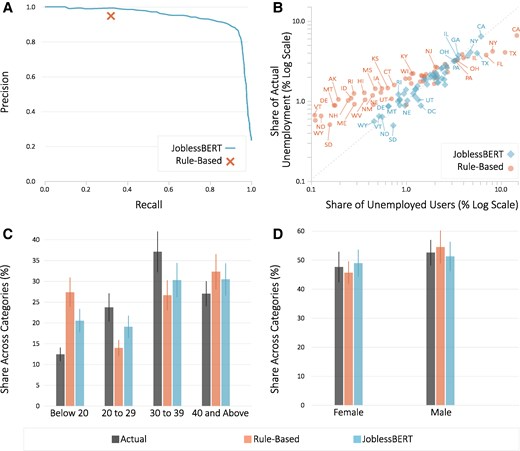 Social Media Is A Faster Source For Unemployment Data Than Government
 Gestational Diabetes Up 36% In The Last Decade - But Black Women Are Healthiest
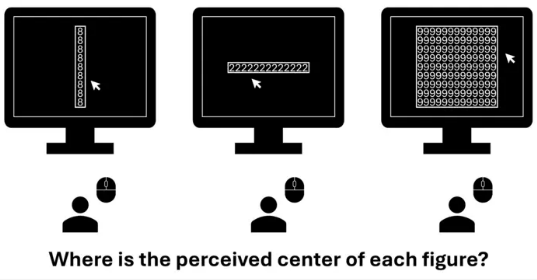 Object-Based Processing: Numbers Confuse How We Perceive Spaces
 Males Are Genetically Wired To Beg Females For Food