A study in the March 1 issue of SLEEP suggests the presence of an intrinsic sleep problem specific to attention-deficit/hyperactivity disorder (ADHD) and supports the idea that children with ADHD may be chronically sleep deprived and have abnormal REM sleep.
Results show that children with ADHD have a total sleep time that is significantly shorter than that of controls. Children in the ADHD group had an average total sleep time of eight hours, 19 minutes; this was 33 minutes less than the average sleep time of eight hours, 52 minutes, in controls. Children with ADHD also had an average rapid eye movement (REM) sleep time that was significantly reduced by 16 minutes.
Puny Crayfish may have big claws for show but they can't really use them - their muscles are actually weaker than females with smaller claws.
So why does it work? A group of scientists writing in The Journal of Experimental Biology set out to discover the answer.
Slender crayfish are aggressive territorial creatures, explains ecologist Robbie Wilson of the University of Queensland, Australia. When two crayfish catch sight of one another, they size each other up in a ritualistic display, which can quickly escalate from careful tapping of their opponent's chelae (enlarged front claws) to a full-blown fight.
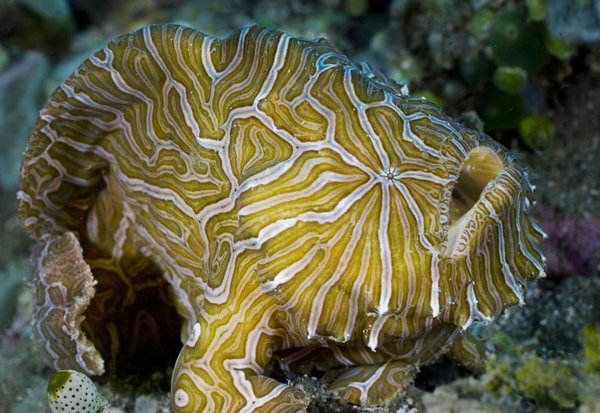
"Psychedelica" seems the perfect name for a species of fish that is a wild swirl of tan and peach zebra stripes and behaves in ways contrary to its brethren, says University of Washington’s Ted Pietsch, first to describe the new species in the scientific literature and therefore got to select the name.
Psychedelica is perhaps even more apt given the cockamamie way the fish swim, some with so little control they look intoxicated and should be cited for DUI.
What use is half a wing?
When Charles Darwin unleashed his revolutionary theory of evolution in the mid-1800s, one of the first questions doubters nailed him with went something like ; you have the four limbs of a reptile and then a beautiful flying bird. What are the intermediary steps? Darwin, what use is half a wing?
There wasn’t much the esteemed naturalist could say with the data he had available and, during the next 150 years, scientists were largely divided into two theoretical camps regarding the evolution of flight.
An immune system response that is critical to the first stages of fighting off viruses and harmful bacteria comes from an entirely different direction than most scientists had thought, according to a finding by researchers at the Duke University Medical Center.
Type 1 helper (TH1) T cell immune responses are critical for the control of viruses and certain bacteria. Immunologists have generally believed that TH1 responses are induced by rare immune cells, called dendritic cells. When activated by infection or vaccination, the dendritic cells were thought to move from peripheral tissues into lymph nodes to stimulate T cell responses.
The agglutination and accumulation of proteins in nerve cells are major hallmarks of age-related neurodegenerative illnesses such as Alzheimer's disease. Cellular survival thus depends on a controlled removal of excessive protein. Scientists at Johannes Gutenberg University Mainz have now discovered exactly how specific control proteins regulate protein breakdown during the ageing process.


 Social Media Is A Faster Source For Unemployment Data Than Government
 Gestational Diabetes Up 36% In The Last Decade - But Black Women Are Healthiest
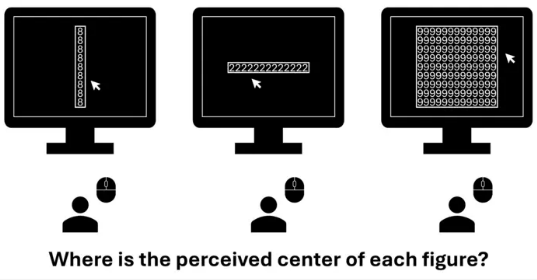 Object-Based Processing: Numbers Confuse How We Perceive Spaces
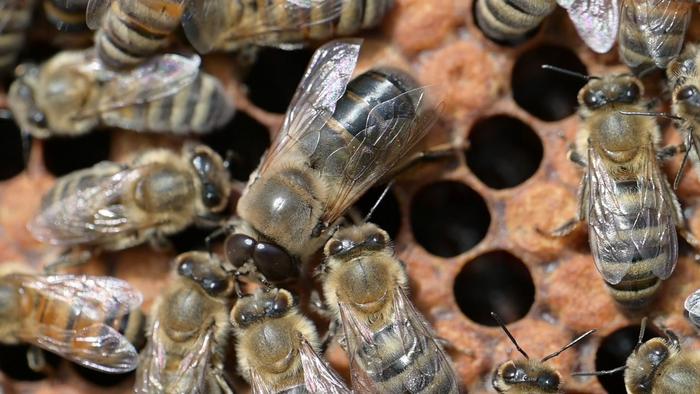 Males Are Genetically Wired To Beg Females For Food