Aerosols are fine particles suspended in the atmosphere. Sources of human-generated aerosols include industry, motor vehicles and vegetation burning. Natural sources include volcanoes, dust storms and ocean plankton. Human-generated aerosols have long been known to exert a cooling effect on climate. This has partly masked the warming effect of increasing greenhouse gases. As aerosol pollution is predicted to decrease over the next few decades, unmasking of the greenhouse effect may lead to accelerated global warming.
Research performed in the Center for Biomolecular Science&Engineering (CBSE) at the University of California, Santa Cruz, suggests that mobile repetitive elements--also known as transposons or "jumping genes"--do indeed affect the evolution of gene regulatory networks.
A little more than a year after University of Wisconsin-Madison scientists showed they could turn skin cells back into stem cells, they have pulsating proof that these "induced" stem cells can indeed form the specialized cells that make up heart muscle.
In a study published in Circulation Research, the team showed that they were able to grow working heart-muscle cells (cardiomyocytes) from induced pluripotent stem cells, known as iPS cells.
The heart cells were originally reprogrammed from human skin cells by James Thomson and Junying Yu, two of Kamp's co-authors on the study.
A York University research team has tracked the migration of songbirds, the most common type of bird in our skies, by outfitting them with tiny geolocator backpacks – a world first and interesting because they are too small for conventional satellite tracking. They now say we have underestimated the flight performance of songbirds dramatically.
Adaptation is one of the driving forces behind evolution, along with selection and the appearance of new species, say a group of Ludwig-Maximilians-Universität München researchers, but they say that the interpretation familiar since Darwin - these processes increase the "fitness" of the species overall, since, of two competing species, only the fittest would survive - is actually a case of the fittest being the 'weakest' most often.
University of Leicester biologist Dr David Harper has conducted research for over 25 years at Lake Naivasha in Kenya and says today that your cheap boyfriend's (unless you are are the cheap boyfriend, in which case he means you) cut-price Valentine roses which are exported for sale to the UK are 'bleeding that country dry.'
Harper claimed that cheap roses grown by companies that had no concern for the environment were having a devastating effect on the ecology of Lake Naivasha - the center of Kenya's horticultural industry. Instead, he urged UK shoppers to buy Fair Trade roses produced by companies that he says are environmentally conscientious and had a transparent supply chain.


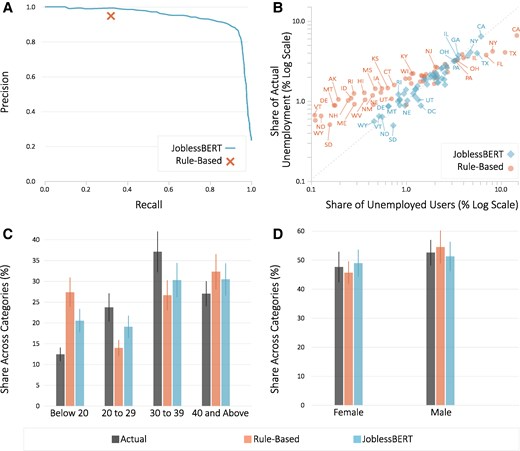 Social Media Is A Faster Source For Unemployment Data Than Government
 Gestational Diabetes Up 36% In The Last Decade - But Black Women Are Healthiest
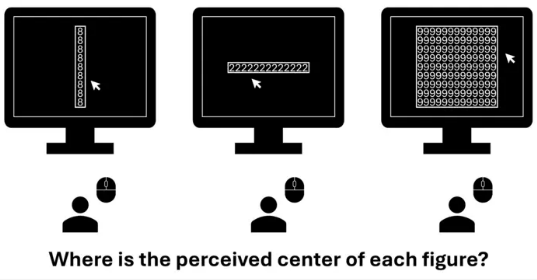 Object-Based Processing: Numbers Confuse How We Perceive Spaces
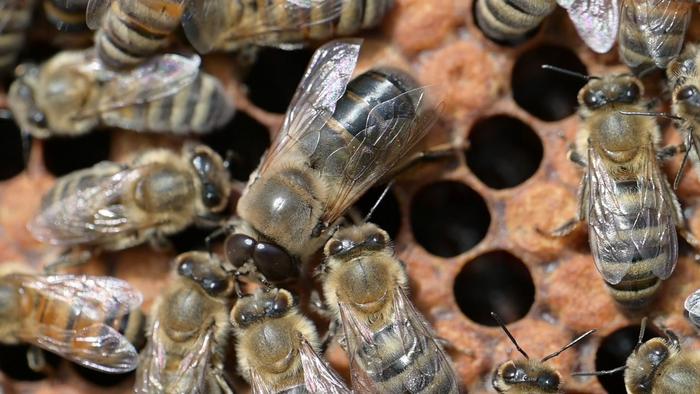 Males Are Genetically Wired To Beg Females For Food








