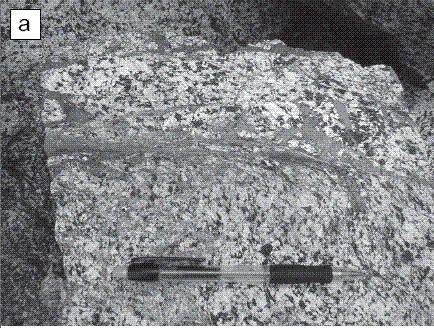
Rocks formed only under the extreme heat and friction during earthquakes, called pseudotachylytes, may be more abundant than previously reported, according to new research focused on eight faults found in the Sierra Nevada. The research appears in the February issue of the Bulletin of the Seismological Society of America.
Geologists have previously debated whether these rocks are rarely produced or not based on an apparent absence in the rock record, most likely brought about by the difficulty in identifying them. Only a small fraction of the energy released in an earthquake is consumed by seismic waves, the formation of pseudotachylytes reveals the importance of the heat generated by the earthquake process.
How the brain keeps tabs on what happened and when is still a matter of speculation but a computational model developed by scientists at the Salk Institute for Biological Studies now suggests that newborn brain cells—generated by the thousands each day—add a time-related code, which is unique to memories formed around the same time.
They didn't set out to explain how the brain stores temporal information but were interested in why adult brains continually spawn new brain cells in the dentate gyrus, the entryway to the hippocampus. The hippocampus, a small seahorse-shaped area of the brain, distributes memory to appropriate storage sections in the brain after readying the information for efficient recall.
Is it possible to share a pain that you observe in another but have never actually experienced yourself? A new study uses brain-imaging to try and answer this question and the research, published in Neuron, may provide insight into the brain mechanisms involved in empathy.
Brain-imaging studies have shown similar patterns of brain activity when subjects feel their own emotions or observe the same emotions in others. It has been suggested that a person who has never experienced a specific feeling would have a difficult time directly empathizing with a person through a "mirror matching" mechanism that requires previous experience and would instead have to rely on a higher inferential processes called "perspective taking."
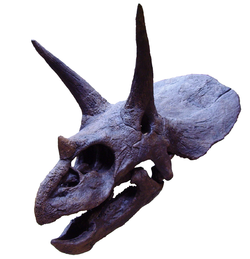
Triceratops had three horns but it was not just to impress the females, says a research study led by Andrew Farke, curator at the Raymond M. Alf Museum of Paleontology, located on the campus of The Webb Schools. They used them to settle disputes as wel. Battle scars on the skulls of Triceratops preserve rare evidence of Cretaceous-era combat, they say.
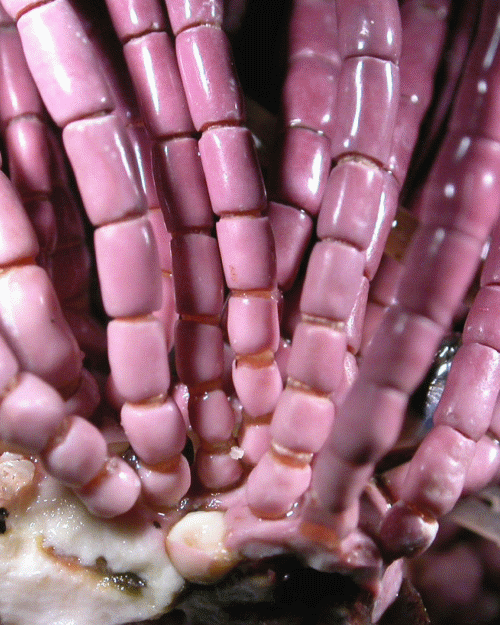
Plants' ability to sprout upward using their own woody tissues has
long been considered one of the characteristics separating the land kind from aquatic plants, which rely on water to support them.
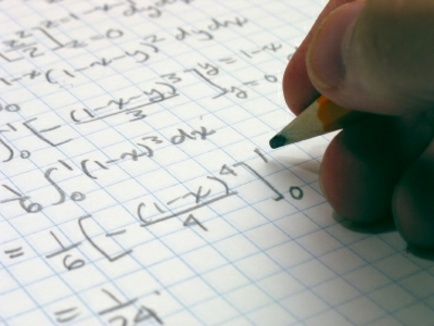
A newly developed mathematical model that figures out the best strategy to win the popular board game CLUE© could some day help robot mine sweepers navigate strange surroundings to find hidden explosives.
At the simplest level, both activities are governed by the same principles, according to the Duke University scientists who developed the new algorithm. A player, or robot, must move through an unknown space searching for clues. In the case of CLUE©, players move a pawn around the board and enter rooms seeking information about the killer and murder weapon before moving on to the next room seeking more information.


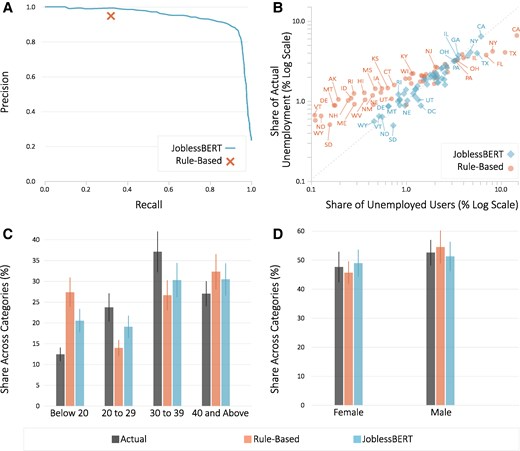 Social Media Is A Faster Source For Unemployment Data Than Government
 Gestational Diabetes Up 36% In The Last Decade - But Black Women Are Healthiest
 Object-Based Processing: Numbers Confuse How We Perceive Spaces
 Males Are Genetically Wired To Beg Females For Food