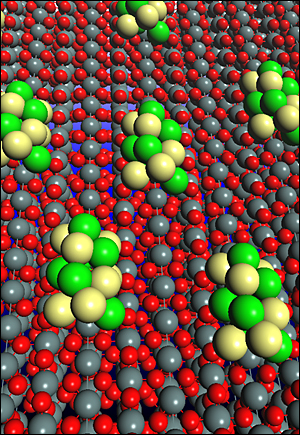
Can't help being the life of the party? Us either.
Maybe we were just born that way.
Researchers from Harvard University and the University of California, San Diego have found that our place in a social network is influenced in part by our genes, according to new findings published in the Proceedings of the National Academy of Sciences. This is the first study to examine the inherited characteristics of social networks and to establish a genetic role in the formation and configuration of these networks.
While it might be expected that genes affect personality, these findings go further and illustrate a genetic influence on the structure and formation of an individual's social group.
Why have some of our genes evolved rapidly? It is widely believed that Darwinian natural selection is responsible, but research led by a group at Uppsala University suggests that a separate neutral (nonadaptive) process has made a significant contribution to human evolution.
Some men are Baptists, others Catholics; my father was an Oldsmobile man - Jean Shepherd, "A Christmas Story"
Do you have brand loyalty? Some of it may be historical ideas of quality, to be sure - if you bought a Mercedes-Benz this decade it was likely because it used to be that you paid more for better quality - but some of it is just materialism - if you bought a Mercedes-Benz this decade you also discovered that marketing people figure that if you were dumb enough to pay double for basically Hyundai quality you will be dumb enough to pay $1000 for the CD player they didn't include - but you may have bought it anyway.
It turns out it may also be 'death anxiety', according to a new study published in the Journal of Consumer Research.
Researchers at Columbia University's Mailman School of Public Health have released findings identifying factors that affected evacuation from the World Trade Center (WTC) Towers after the terrorist attacks on September 11, 2001. A research methodology known as participatory action research (PAR) was used to identify individual, organizational, and structural/environmental barriers to safe and rapid evacuation.
The only thing that gets less respect than ethanol these days are batteries - having to replace batteries in a Prius and the acid rain that comes from manufacturing them is why the Prius was always destined to just annoy everyone in the HOV lane and not actually help the enviroment.
Likewise, ethanol's mandates and subsidies seem to mean it will never get more efficient, but it currently creates more greenhouse gases in manufacturing and usage than it saves.
People have found plenty to criticize in the last year but if we look at the last few decades, there is actually a lot more American equality - in overall happiness. Which is really looking at the glass half full.
That's not to say there are more happy people - it's about the same as 1970 - but it instead means that the 'happiness' gap, the levels of discontent between unhappy and happy people, has become smaller. The research published by University of Pennsylvania economists Betsey Stevenson and Justin Wolfers in the Journal of Legal Studies says that the American population as a whole is no happier than it was three decades ago. But happiness inequality, the gap between the happy and the not-so-happy, has narrowed significantly.


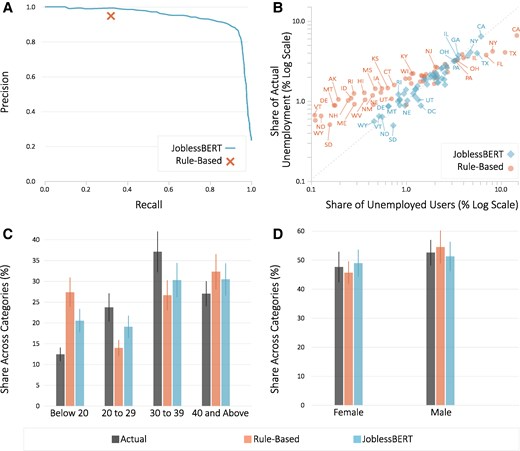 Social Media Is A Faster Source For Unemployment Data Than Government
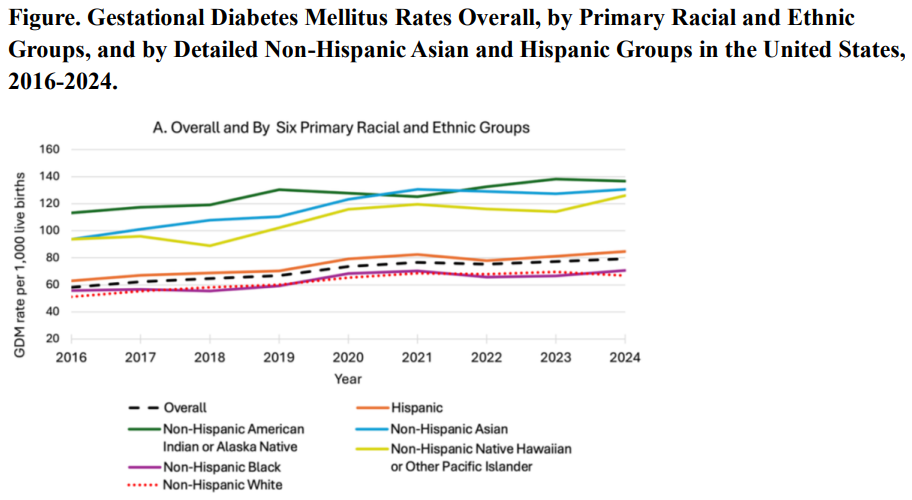 Gestational Diabetes Up 36% In The Last Decade - But Black Women Are Healthiest
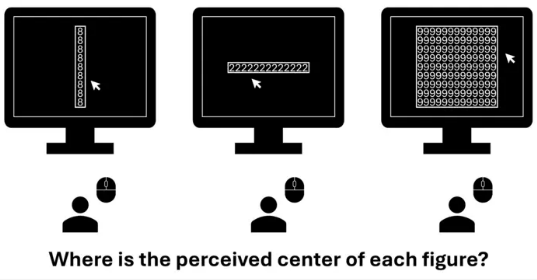 Object-Based Processing: Numbers Confuse How We Perceive Spaces
 Males Are Genetically Wired To Beg Females For Food