Banner
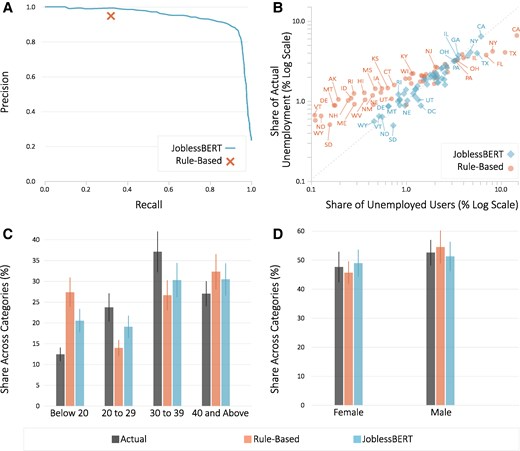
Social Media Is A Faster Source For Unemployment Data Than Government

Government unemployment data today are what Nielsen TV ratings were decades ago - a flawed metric...

Gestational Diabetes Up 36% In The Last Decade - But Black Women Are Healthiest

Gestational diabetes, a form of glucose intolerance during pregnancy, occurs primarily in women...

Object-Based Processing: Numbers Confuse How We Perceive Spaces

Researchers recently studied the relationship between numerical information in our vision, and...

Males Are Genetically Wired To Beg Females For Food

Bees have the reputation of being incredibly organized and spending their days making sure our...

User picture.
News StaffRSS Feed of this column.

News Releases From All Over The World, Right To You... Read More »

Blogroll

MIT researchers have developed a technique to encourage the survival and growth of adult stem cells, a step that could help realize the therapeutic potential of such cells.

Adult stem cells, found in many tissues in the body, are precursor cells for specific cell types.

The sugar-containing nectar secreted by plants and consumed by pollinators shares a number of similarities to fitness drinks, including ingredients such as amino acids and vitamins. In addition to these components, nectar can also contain secondary metabolites such as the alkaloid nicotine and other toxic compounds. Scientists Danny Kessler and Ian Baldwin from the Max Planck Institute for Chemical Ecology in Jena, Germany, recently addressed the question, why would plants risk poisoning the insects and birds that provide pollination services? Their findings have been published in The Plant Journal.

Kessler and Baldwin examined the nectar of a wild tobacco species, Nicotiana attenuata, and discovered that it is flavoured with 35 secondary compounds.

Deep red tomatoes get their rich color from lycopene, a disease-fighting antioxidant.

New information about a link between the growth of blood vessels critical to the spread of cancer and the copper in our bodies has been discovered by researchers from the U.S. Department of Energy's Argonne National Laboratory and the University of Chicago, using a beamline at the Advanced Photon Source.

Growing new blood vessels from existing ones — a process called angiogenesis — is important in growth, development and wound healing. But it also enables the spread of tumors throughout the body, so researchers have been scrambling for ways to stop angiogenesis in the fight against cancer.

One element critical to blood vessel growth is copper, a vital nutrient that plays important roles in many life processes.

The brain appears to process information more chaotically than has long been assumed. This is demonstrated by a new study conducted by scientists at the University of Bonn. The passing on of information from neuron to neuron does not, they show, occur exclusively at the synapses, i.e. the junctions between the nerve cell extensions. Rather, it seems that the neurons release their chemical messengers along the entire length of these extensions and, in this way, excite the neighbouring cells. The findings of the study are of huge significance since they explode fundamental notions about the way our brain works. Moreover, they might contribute to the development of new medical drugs.

"Nanotechnology has the potential to generate enormous health benefits for the more than five billion people living in the developing world," according to Dr. Peter A. Singer, senior scientist at the McLaughlin-Rotman Centre for Global Health and Professor of Medicine at University of Toronto. "Nanotechnology might provide less-industrialized countries with powerful new tools for diagnosing and treating disease, and might increase the availability of clean water."

"But it remains to be seen whether novel applications of nanotechnology will deliver on their promise. A fundamental problem is that people are not engaged and are not talking to each other.