

Banner
Object-Based Processing: Numbers Confuse How We Perceive Spaces

Researchers recently studied the relationship between numerical information in our vision, and...

Males Are Genetically Wired To Beg Females For Food

Bees have the reputation of being incredibly organized and spending their days making sure our...

The Scorched Cherry Twig And Other Christmas Miracles Get A Science Look

Bleeding hosts and stigmatizations are the best-known medieval miracles but less known ones, like ...
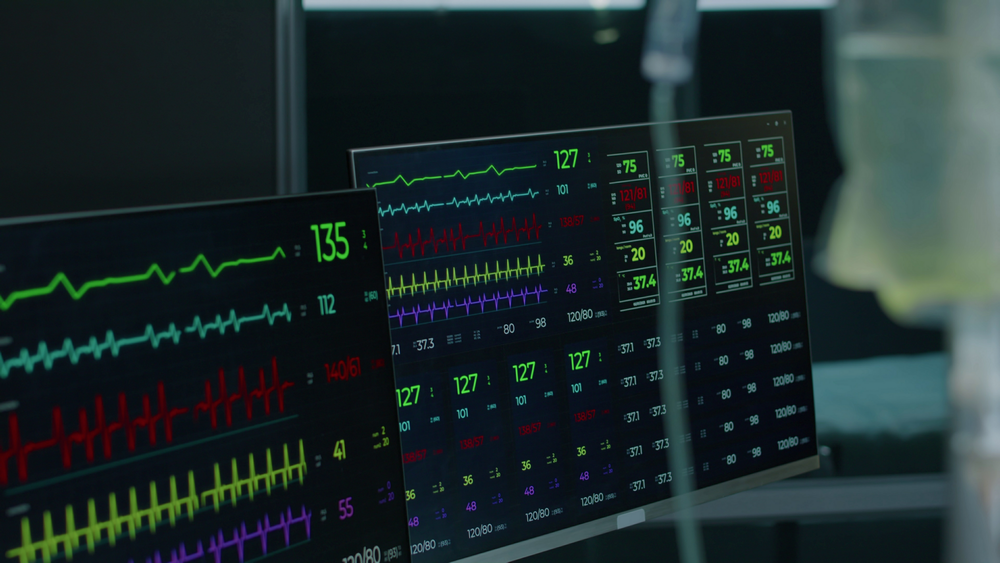
$0.50 Pantoprazole For Stomach Bleeding In ICU Patients Could Save Families Thousands Of Dollars

The inexpensive medication pantoprazole prevents potentially serious stomach bleeding in critically...

User picture.
News StaffRSS Feed of this column.

News Releases From All Over The World, Right To You... Read More »

Blogroll

Nothing says romance like having your bone tissue extracted to show your love. But Biojewellry in the UK is doing exactly that.

The project is seeking couples who want to donate their bone cells - a couple having their wisdom teeth removed would be ideal. Their cells will be prepared and seeded onto a bioactive scaffold. This pioneering material encourages the cells to divide and grow rapidly in a laboratory environment, so that the scaffold disappears and is replaced by living bone tissue.

The couple’s cells will be grown at Guy’s Hospital and finished bone tissue will be taken to a studio at the Royal College of Art to be used in the design of a pair of rings.

New research aimed at understanding the link between carbon dioxide emissions and climate change in boreal systems has found clear links between both Spring and Fall temperature changes and carbon uptake/loss. Dr Kevin Robert Gurney, assistant professor in the Earth & Atmospheric Science/Agronomy at Purdue University and Associate Director of the Purdue Climate Change Research Center, presented these results at the “Is a Warmer Arctic Adding Carbon Dioxide to the Atmosphere” session of American Association for the Advancement of Science meeting in San Francisco, CA on December 17th.

The research examined the variations in carbon flux from boreal ecosystems, uncovered by the “inverse” method, in relation to measurements of temperature, precipitation and climate indices.

It's the most common bacteria-related sexually transmitted disease in the United States, so researchers at The University of Texas at San Antonio's South Texas Center for Emerging Infectious Diseases (STCEID) and The University of Texas at San Antonio Health Science Center have partnered to discover a vaccine that will prevent Chlamydia.

According to the Centers for Disease Control and Prevention (CDC), Chlamydia is a common sexually transmitted disease caused by the bacterium, Chlamydia trachomatis, which can damage a woman's reproductive organs. In women, symptoms are usually mild or absent. Serious complications can cause irreversible damage, including infertility, before a woman ever recognizes a problem.

Everyone hopes that one day stem cell-based regenerative medicine will help repair diseased tissue. Before then, it may be necessary to decipher the epigenetic signals that give stem cells their unique ability to self-renew and transform them into different cell types.

The hype over epigenetic research is because it opens up the possibility of reprograming cells. By manipulating epigenetic marks, cells can be transformed into other cell types without changing their DNA. It is simply a question of adding or removing the chemical tags involved.

Stem cells rely heavily on epigenetic signals. As a stem cell develops, chemical tags on the DNA or its surrounding histone proteins switch genes on or off, controlling a cell’s fate.

As evidence mounts that the body's normally protective inflammation response can drive some precancerous tissues to become fully malignant, UCSF scientists report discovering an apparent trigger to this potentially deadly process.

Typically, the "innate" immune system's Pac-Man-like white blood cells, or leukocytes, engulf and destroy invading microbes when receptors on their surface receive a signal from serum in the blood -- often an antibody produced by a B cell in the separately evolved "acquired" immune system.

A special cocoa made to retain naturally occurring compounds called flavonols may have the potential to help maintain healthy brain function and chart the course for future research that could lead to new solutions for preventing cognitive decline and dementia, according to a panel of scientists who presented new data at the annual meeting of the American Association for the Advancement of Science (AAAS).

Several studies suggest that consumption of a special cocoa made to be rich in flavonols, a naturally occurring nutrient abundant in fresh cocoa, may improve blood vessel function.





