In a new article in Nature Reviews Endocrinology, scientists from the University of Liverpool argue that anti-obesity drugs fail to provide lasting health benefits because they tackle the biological consequences of obesity, not the important psychological causes of overconsumption.
Anti-obesity drug developers focus primarily on weight loss as their end goal, and do not take into consideration the motivational and behavioral factors that most commonly cause obesity. Obesity typically results from eating too much food combined with too sedentary a lifestyle.
However, obese people may also have a complicated psychological relationship with food that makes it difficult for them to control their appetite sufficiently to manage their weight.
Palaeontologists have discovered evidence of how an extinct shark attacked its prey, reconstructing a killing that took place 4 million years ago.
Such fossil evidence of behavior is incredibly rare, but by careful, forensic-style analysis of bite marks on an otherwise well-preserved dolphin skeleton, the research team say they have reconstructed the events that led to the death of the dolphin, and likely determined the identity of the killer: a 4 m shark called Cosmopolitodus hastalis.
The evidence, published in Palaeontology, comes from the fossilized skeleton of a 2.8 m long dolphin (Astadelphis gastaldii) discovered in the Piedmont region of northern Italy.
Questionable lending helped sink the U.S. economy, but also provided a lifeline that kept countless firms afloat and averted an even deeper recession, according to research by University of Illinois finance professor Murillo Campello.
The research was cited by President Obama in a report on the state of the economy, so you know it must be correct.
The survey of corporate executives found that many small and mid-sized firms survived the economic storm by tapping easy, low-cost lines of credit locked in ahead of the downturn, during an era of loose lending that also included sub-prime home mortgages. "These lines of credit were so liquid and so accessible that it made this recession far less acute than it would have been otherwise," he said.
Being skinny confers no advantage when it comes to the risk of dying suddenly from cardiac causes, a study presented today at the American College of Cardiology Annual Scientific Session has found.
According to the authors, non-obese heart failure patients – including overweight, normal and underweight patients – had a 76 percent increase in risk of sudden cardiac death compared to obese heart failure patients. Normal and underweight patients showed a startling 99 percent increase in risk for sudden cardiac death compared to obese patients.
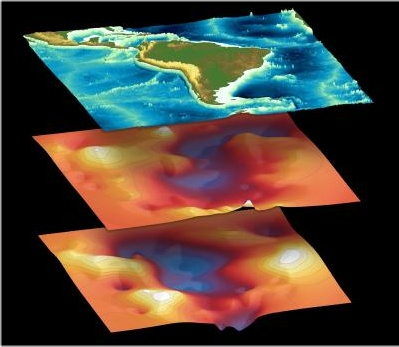
The high-magnitude earthquake that struck southern Central Chile last month closed one of the two remaining seismic gaps at the South American plate boundary. After the quake in Concepción, the remaining gap in the north of Chile now holds potential for a comparable strong quake and is, thus, moving more and more into the focus of attention.
The GFZ German Research Centre for Geosciences has been monitoring this gap with the Integrated Plate Boundary Observatory (IPOC) in Chile since 2006, and now the duties will be taken up the Universidad de Chile and the Universidad Catolica del Norte.
In a report published in the Proceedings of the National Academy of Sciences, researchers from The Wistar Institute suggest that mice that lack the p21 gene gain the ability to regenerate lost or damaged tissue.
The team says their findings provide solid evidence to link tissue regeneration to the control of cell division.
Unlike typical mammals, which heal wounds by forming a scar, these mice begin by forming a blastema, a structure associated with rapid cell growth and de-differentiation as seen in amphibians. The loss of p21 causes the cells of these mice to behave more like embryonic stem cells than adult mammalian cells


 Social Media Is A Faster Source For Unemployment Data Than Government
 Gestational Diabetes Up 36% In The Last Decade - But Black Women Are Healthiest
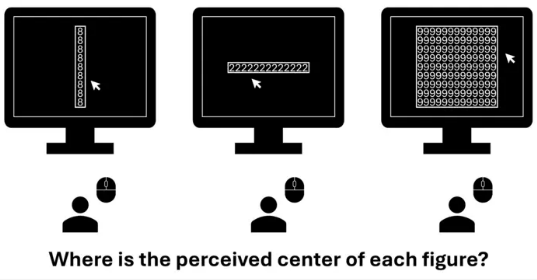 Object-Based Processing: Numbers Confuse How We Perceive Spaces
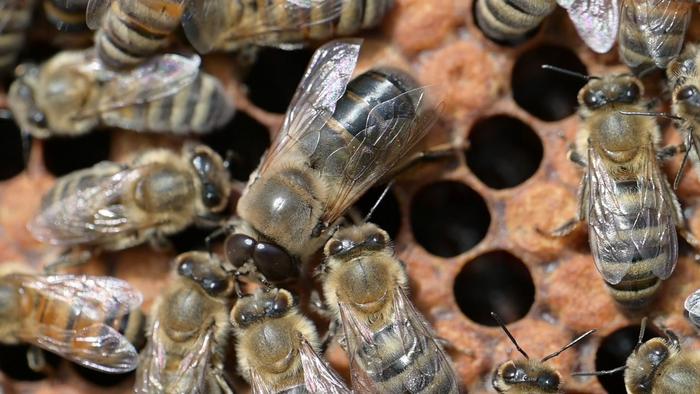 Males Are Genetically Wired To Beg Females For Food