A new study in BioScience suggests that boosting use of maize-derived ethanol will increase greenhouse gas emissions and worsen the effects of climate change as a result.
The research focuses on how mandated increases in production of the biofuel in the United States will trigger land-use changes domestically and elsewhere. In response to the increased demand for maize, farmers convert additional land to crops, and this conversion can boost carbon dioxide emissions.
Several studies have shown that smokers have a lower risk of developing Parkinson's disease. But the relationship between risk for the disease and smoking may not be so simple. New research published in Neurology shows that smoking for a greater number of years may reduce the risk of the disease, but smoking a larger number of cigarettes per day made no difference.
The study involved 305,468 AARP members age 50 to 71 who completed a survey on diet and lifestyle at the time and again about 10 years later. During that time, 1,662 of the people had developed Parkinson's disease, or about one-half of one percent.
High school and college students who understand that the earth is 4.5 billion years old are much more likely to understand and accept human evolution, according to a survey published this month in Evolution.
The finding could give educators a new strategy for teaching evolution, since the Earth's age is typically covered in physical rather than biological science classes.
Researchers surveyed 400 students enrolled in several sections of a University of Minnesota introductory biology course for non-majors.
In order to learn how modern societies can adapt to the changes caused by global warming, scientists are working in the Arctic regions of St. James Bay, Quebec, northern Finland and Kamchatka to understand how humans living 4,000 to 6,000 years ago reacted to climate changes.
Their findings will tell governments, scientists and NGOs how relationships between human beings and their environments may change in decades to come as a result of global warming.
Some studies suggest that video gaming can improve
vision and enhance information processing
abilities. But that may be total nonsense, according to a study that examined the short-term effects of video-game ownership on academic development in young boys.
Adolescents who watch R-Rated movies are more likely to try alcohol at a young age, according to a study based on phone surveys of 6,255 10-14 year-old children.
Published in Prevention Science, the study examined the relationship between watching R-rated movies and the probability of alcohol use across different levels of "sensation seeking," which is a tendency to seek out risky experiences.
Sensation seeking was based on how individual subjects identified with statements like: "I like to do scary things, I like to do dangerous things, I often think there is nothing to do, and I like to listen to loud music."


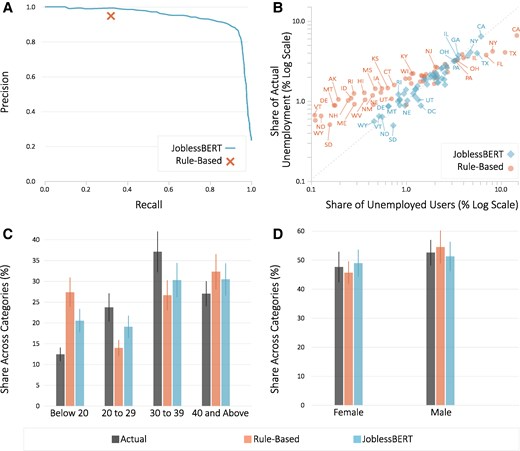 Social Media Is A Faster Source For Unemployment Data Than Government
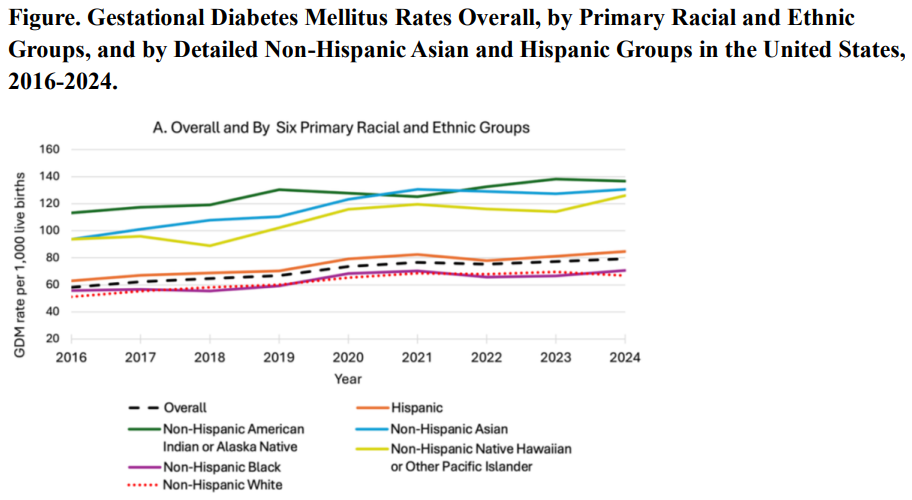 Gestational Diabetes Up 36% In The Last Decade - But Black Women Are Healthiest
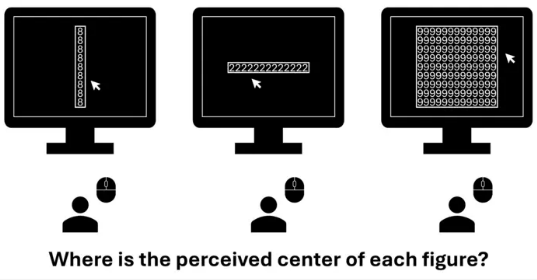 Object-Based Processing: Numbers Confuse How We Perceive Spaces
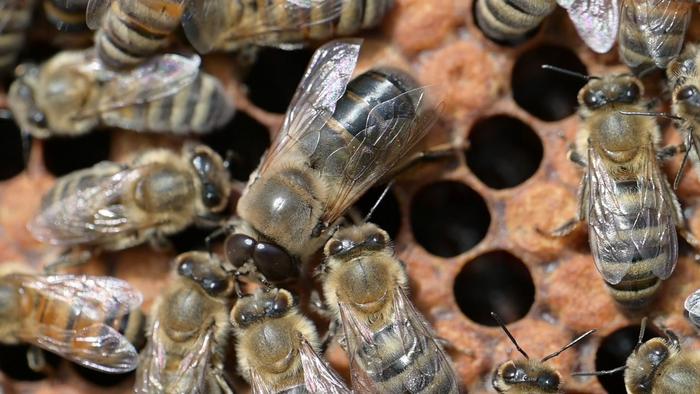 Males Are Genetically Wired To Beg Females For Food







