Natural Killer (NK) cells ensnare dangerous cells, such as tumour cells and those infected with bacteria and viruses that are on the run with a bungee-like nanotube, according to research published this week in PNAS. The study shows that NK cells use this bungee to destroy cells that could otherwise escape them.
Researchers are keen to understand how NK cells work because they help the body to fight infection and stop tumours from growing. It is thought that it may ultimately be possible to design drugs that harness the cells' ability to fight disease.
Wealthy consumers in the United States and Europe need to take the lead in efforts to prevent devastating climate change because they outsource their weather breaking carbon emissions to developing nations, according a new study in PNAS.
Researchers at the Carnegie Institution's Department of Global Ecology write that over a third of carbon dioxide emissions associated with consumption of goods and services in many developed countries are actually emitted outside their borders. Most of these emissions are outsourced to developing countries like China.
A new study in the Archives of Internal Medicine suggests that adults tend to eat less pizza and drink less soda as the prices of these items increase, and their body weight and overall calorie intake also appear to decrease.
The authors point out that such manipulation of food prices has been the foundation of agricultural and food policy for many years and should also be used as a "a mechanism to promote public health and chronic disease prevention efforts."
In a paper published in the Proceedings of the National Academy of Sciences, researchers from the University of California, San Diego and Harvard say they have provided the first laboratory evidence that cooperative behavior is contagious.
Researchers showed that when one person gave money to help others in a "public-goods game," where people had the opportunity to cooperate with each other, the recipients were more likely to give their own money away to other people in future games. This created a domino effect in which one person's generosity spread first to three people and then to the nine people that those three people interact with in the future, and then to still other individuals in subsequent waves of the experiment.
Insulin resistance, high cholesterol, fatty liver, greater risk for diabetes, heart disease, and stroke are all related to obesity, but are likely not caused by it, according to a review in Trends in Endocrinology and Metabolism.
In fact, obesity is the body's way of storing lipids where they belong, in fat tissue, in an effort to protect our other organs from lipids' toxic effects. It's when the surplus of calories coming in gets to be too much for our fat tissue to handle that those lipids wind up in other places they shouldn't be, and the cascade of symptoms known as metabolic syndrome sets in.
A team of researchers has discovered how to efficiently turn carbon dioxide into carbon monoxide using visible light. The discovery opens the doors for scientists to explore what organism is out there – or could be created – to chemically break down the greenhouse gas into a useful form. The results are reported in the Journal of the American Chemical Society.


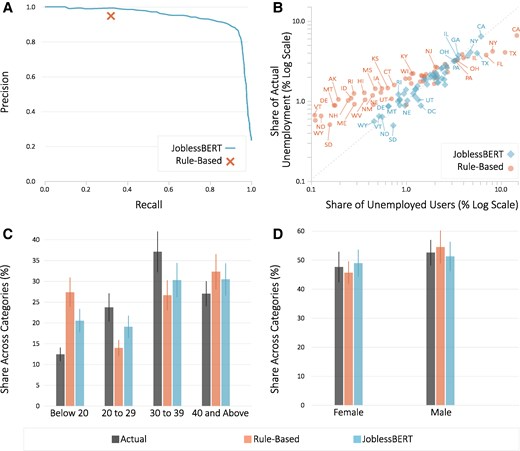 Social Media Is A Faster Source For Unemployment Data Than Government
 Gestational Diabetes Up 36% In The Last Decade - But Black Women Are Healthiest
 Object-Based Processing: Numbers Confuse How We Perceive Spaces
 Males Are Genetically Wired To Beg Females For Food







