People who live in areas with lower household incomes are much more likely to die because of their personal and household characteristics and their community surroundings, according to research conducted at Virginia Commonwealth University and published in the American Journal of Public Health.
Researchers analyzed census data and vital statistics from Virginia counties and cities between 1990 and 2006. They demonstrated that one out of four deaths would have been averted if the mortality rates of Virginia's five most affluent counties and cities had existed statewide. In some of the most disadvantaged areas of the state, nearly half of the deaths would have been averted.
Plants and algae, as well as cyanobacteria, use photosynthesis to produce oxygen and "fuels," the latter being oxidizable substances like carbohydrates and hydrogen. There are two pigment-protein complexes that orchestrate the primary reactions of light in oxygenic photosynthesis: photosystem I (PSI) and photosystem II (PSII). Researchers writing in PNAS say they have taken a significant step closer to understanding how these photosystems work their magic, which may boost the effort to develope new sources of energy.
The chemical compounds carnivorous plants in the tropics use to dissolve their prey could serve as a new class of anti-fungal drugs for use in human medicine, according to researchers from Tel Aviv University's Department of Plant Sciences. In a study published in the Journal of Experimental Biology, scientists document how the natural compounds from the carnivorous plant Nepenthes khasiana, native to India, were found effective as anti-fungal drugs against human fungal infections widespread in hospitals.
Writing in Cell, a team of biologists say they have unraveled the biochemistry of how bacteria so precisely time cell division, a key element in understanding how all organisms from bacteria to humans use their biological clocks to control basic cellular functions. The discovery provides important clues to how the biological clocks of bacteria and other "prokaryotic" cells—which lack cell nuclei—evolved differently from that of "eukaryotic" cells with nuclei that comprise most other forms of life, from fungi to plants and animals.
The mechanism by which the parasite Plasmodium intensively replicates itself in human blood to spread malaria has eluded scientists despite decades of rigorous research. But now biologists writing in the journal Genome Research say they have discovered how the deadly parasite regulates its infectious cycle.
In the cells of eukaryotes, such as the unicellular Plasmodium and humans, DNA, which can be as long as two meters, is closely packed to fit into the cell's tiny nucleus. Huge complex proteins called nucleosomes facilitate this DNA compaction so that eventually the DNA is coiled in an ordered manner to form chromosomes.
A recent study in the American Journal of Human Genetics has revealed how human genes interact with their environment to boost disease risk. The authors say the findings shed light on why the search for specific gene variants linked to human diseases can only partly explain common disorders.


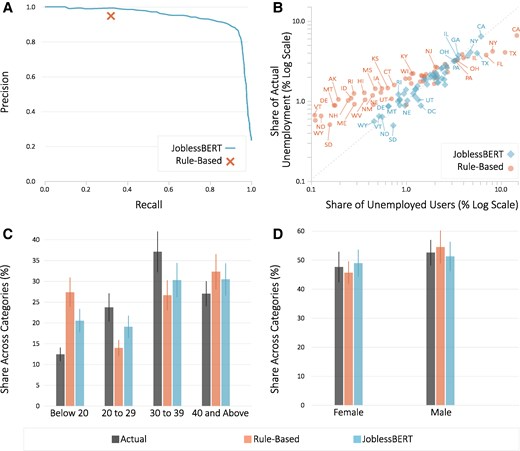 Social Media Is A Faster Source For Unemployment Data Than Government
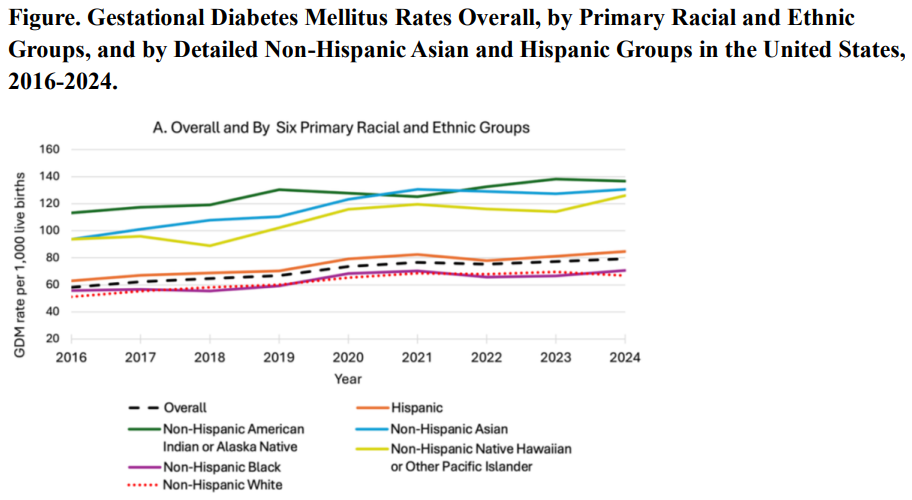 Gestational Diabetes Up 36% In The Last Decade - But Black Women Are Healthiest
 Object-Based Processing: Numbers Confuse How We Perceive Spaces
 Males Are Genetically Wired To Beg Females For Food







