It seems that everything except the causes of childhood obesity receive blame for childhood obesity. While common sense and plenty of research indicate that parents and social setting are the primary influences on children's eating habits, the effort to pin the problem on food manufactures never ends. Recently, the authors of a study in Pediatrics continued the charade by suggesting that product placement in movies may bear some of the responsibility for the expanding waistlines of America's Children.
Previously unrelated disorders which all cause complex defects in brain development and function are linked by a common underlying mechanism. Rett syndrome (RTT), Cornelia de Lange syndrome (CdLS), Alpha-Thalassemia mental Retardation, and X-linked syndrome (ATR-X) have each been linked with distinct abnormalities in chromatin, the spools of proteins and DNA that make up chromosomes and control how genetic information is read in a cell.
The new research, appearing in Developmental Cell, helps to explain why these different chromatin abnormalities all interfere with proper gene expression patterns necessary for normal development and mature brain function.
The protein ToxT controls the virulent nature of Vibrio cholerae, the bacteria that causes cholera. And buried within ToxT is a fatty acid that appears to inhibit the protein, preventing V. cholerae from causing cholera. The findings appeared recently in PNAS and the authors say the research may enable the development of a new treatment for the potentially fatal illness.
New research published in Stroke has linked the risk of suffering a stroke to the presence of a certain type of antibody in the immune system. According to the study, researchers may now be able to develop a vaccine that can mobilize the body's own defence against arteriosclerosis and stroke.
The study compared 227 individuals who had suffered stroke over a 13-year period with 445 sex and age-matched controls. After controlling for other risk factors (age, sex, smoking habits, cholesterol levels, diabetes, BMI and blood pressure), they were able to show that low levels (below 30 per cent of average) of PC antibodies correlated with a higher risk of stroke, which in women meant an almost three-fold increase.
It appears that the act of voluntarily sharing something with another is not entirely exclusive to the human experience. Researchers writing in Current Biology observe that bonobos—a sister species of chimpanzees--consistently chose to share their food with others.
In the study, bonobos had to choose whether to eat some food by themselves or to give another bonobo access to it. The test subjects had the opportunity to immediately eat the food or to use a "key" to open a door to an adjacent empty room or a room that had another bonobo in it. The test subjects could easily see into the adjacent rooms, so they know which one was empty and which was occupied.
Should there be restrictions on the amount of sodium in processed and restaurant foods? Many public health advocates think so. They argue that people consume excessive amounts of sodium without even knowing it and mandatory restrictions would reduce the number of heart attacks, strokes, and even deaths that result from all that salty food.
But does the available research justify a population-wide restriction on sodium in food? Not quite, says Michael H. Alderman from the Department of Epidemiology and Population Health at Albert Einstein College of Medicine.


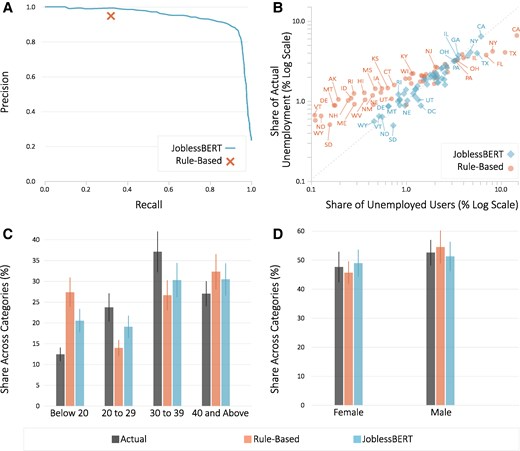 Social Media Is A Faster Source For Unemployment Data Than Government
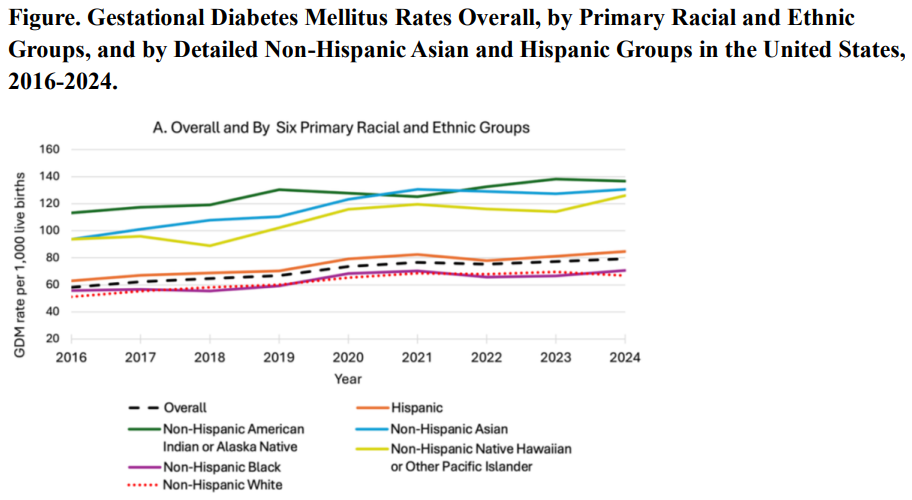 Gestational Diabetes Up 36% In The Last Decade - But Black Women Are Healthiest
 Object-Based Processing: Numbers Confuse How We Perceive Spaces
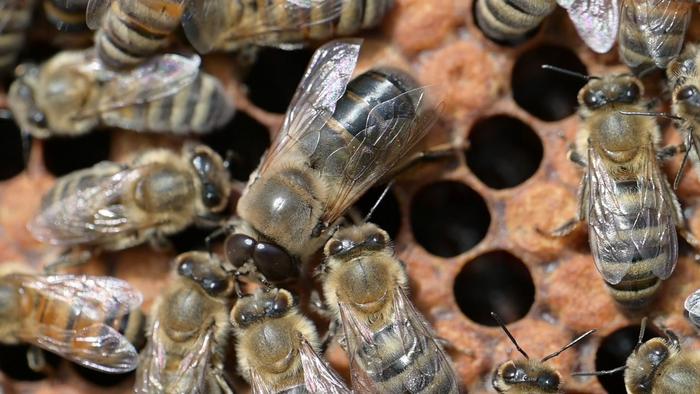 Males Are Genetically Wired To Beg Females For Food








