An international team of climate scientists say they have developed a new approach to modeling the earth's climate that will improve the accuracy of future models utilized by the IPCC and provide the framework for thousands of individual scientific studies on climate impacts and adaptation, and changes in the way societies generate and use energy.
Previous scenarios used by the IPCC usually assumed that no one would try to reduce climate change. Today, policymakers and researchers are interested in exploring ways to limit changes. Understanding the impacts and interactions of activities such as increasing energy efficiency and conservation, developing new renewable fuels to replace fossil-based fuels, and regulating how land is used are crucial to better decision-making.
The authors of a new study published in Human Communication Research say that the media is losing some its ability to sway viewers on important social issues. Specifically, the study shows that the 'OC', a crummy drama series about teens and their turbulent lives in southern California, may be more effective in persuading young women to use birth control than a news-format program on the same issue.
The results show the power that narratives like TV shows can have in influencing people, said Emily Moyer-Gusé, co-author of the study and assistant professor of communication at Ohio State University.
A new commentary just published in the Proceedings of the National Academy of Sciences claims that more evidence is mounting that birds did not evolve from ground-dwelling theropod dinosaurs and challenging decades of accepted theories about the evolution of flight.
The weight of the evidence is now suggesting that not only did birds not descend from dinosaurs, but that some species now believed to be dinosaurs may have descended from birds, according John Ruben, a professor of zoology at Oregon State University who authored the PNAS commentary.
A new study conducted by researchers from UC Davis and the John Innes Center in Norwich, England, suggests that it is harder than previously thought to predict when sudden shifts in Earth's natural systems will occur. The finding is troubling for scientists who are trying to identify the tipping points that could push climate change into an irreparable global disaster. The study was published recently in Ecology Letters.
If you have overweight children, don't take responsibility for what they eat--just blame their expanding waistlines on McDonald's and Hershey's for advertising their products on TV. Not only is it easier to scapegoat restaurants and food manufacturers than to take personal responsibility for your children, but there's also scientific research that justifies the scapegoating, so it's probably alright
University of Miami geologists have analyzed images based on Synthetic Aperture Radar (SAR) observations taken before and after Haiti's devastating January 12 earthquake. The images reveal surprising new details that may help the island better mitigate future earthquakes.
According to the new data, the earthquake rupture did not reach the surface--unusual for an earthquake this size. More importantly, the images confirm that only the western half of the fault segment that last ruptured in 1751 actually ruptured in the current earthquake.
"We're still waiting for the other shoe to drop," said Tim Dixon, professor of geology and geophysics at the University of Miami Rosenstiel School of Marine&Atmospheric Science.


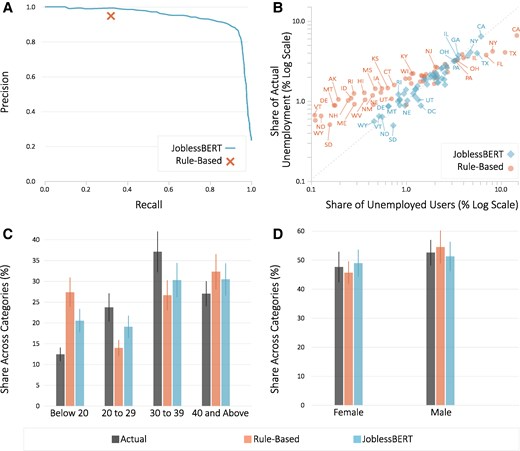 Social Media Is A Faster Source For Unemployment Data Than Government
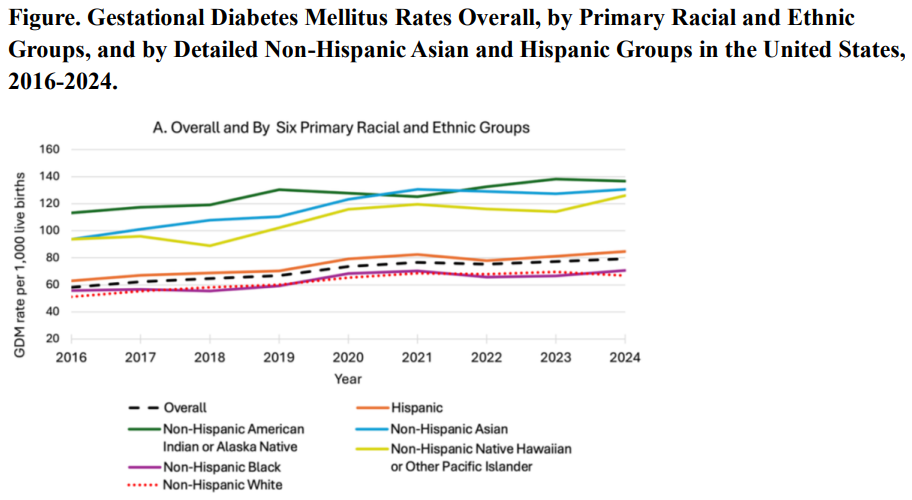 Gestational Diabetes Up 36% In The Last Decade - But Black Women Are Healthiest
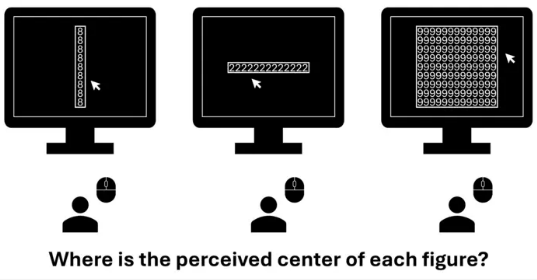 Object-Based Processing: Numbers Confuse How We Perceive Spaces
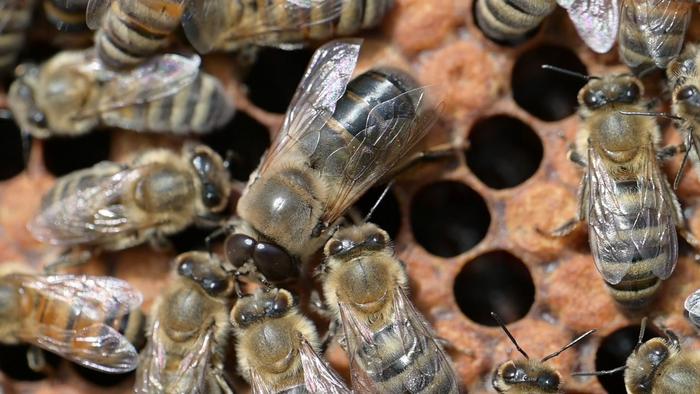 Males Are Genetically Wired To Beg Females For Food








