Banner
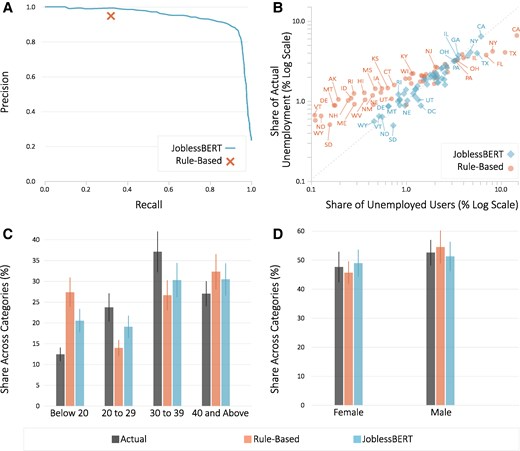
Social Media Is A Faster Source For Unemployment Data Than Government

Government unemployment data today are what Nielsen TV ratings were decades ago - a flawed metric...
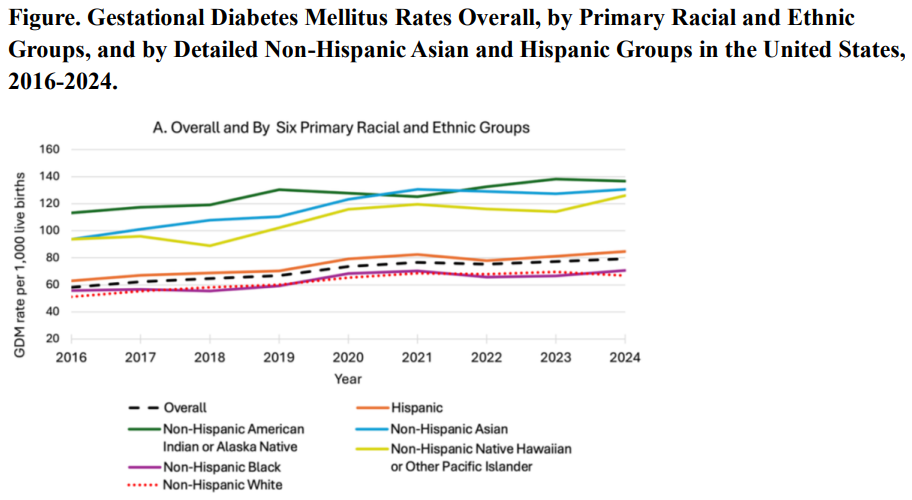
Gestational Diabetes Up 36% In The Last Decade - But Black Women Are Healthiest

Gestational diabetes, a form of glucose intolerance during pregnancy, occurs primarily in women...
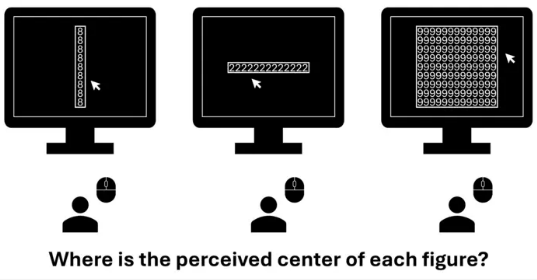
Object-Based Processing: Numbers Confuse How We Perceive Spaces

Researchers recently studied the relationship between numerical information in our vision, and...
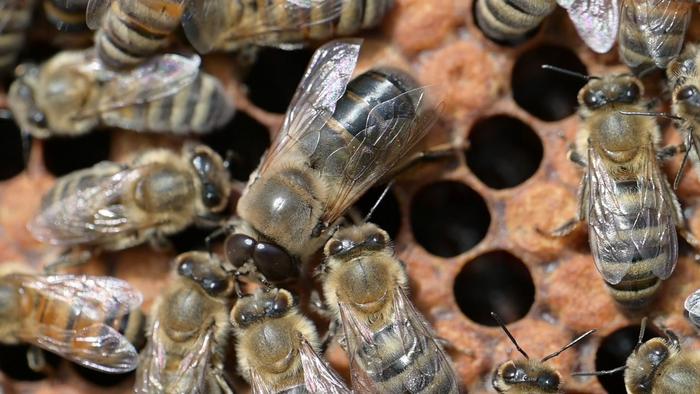
Males Are Genetically Wired To Beg Females For Food

Bees have the reputation of being incredibly organized and spending their days making sure our...

User picture.
News StaffRSS Feed of this column.

News Releases From All Over The World, Right To You... Read More »

Blogroll
Previously blamed for cognitive deficits in children, so called third hand smoke, the nicotine residue from tobacco smoke that clings to virtually all surfaces long after a cigarette has been extinguished, also reacts with the common indoor air pollutant nitrous acid to produce cancer causing carcinogenic tobacco-specific nitrosamines (TSNAs), according to a new study appearing in PNAS.
A new study published in Current Alzheimer Research claims that marijuana doesn't temper or reverse the effects of Alzheimer's disease and may even cause harm. The findings could lower expectations about the benefits of medical marijuana in combating various cognitive diseases and help redirect future research to more promising therapeutics.

Previous studies using animal models showed that HU210, a synthetic form of the compounds found in marijuana, reduced the toxicity of plaques and promoted the growth of new neurons. Those studies used rats carrying amyloid protein, the toxin that forms plaques in the brains of Alzheimer's victims.
 Religion is a hotly debated topic both among scholars and the general public, and a new paper authored by researchers from the University of Helsinki and Harvard University is only likely to up the level controversy surrounding the subject. Published in Trends in Cognitive Sciences, the study suggests that intuitive judgments of right and wrong seem to operate independently of explicit religious commitments.
According to survey results on correlates of HPV vaccine use, a parent's existing health habits or behaviors, like cigarette smoking, may influence the likelihood that they will have their daughters vaccinated against HPV. Researchers who conducted the survey say the link may be explained by the fact that parents who are former or current smokers have a heightened awareness of cancer and its related risks. Results of the survey are published in the February issue of Cancer Epidemiology, Biomarkers and Prevention.
Researchers analyzing recent data from the SPOT 5 and ASTER satellites say that previous studies have largely overestimated mass loss from Alaskan glaciers over the past 40 years. Writing in a recent issue of Nature Geoscience, the team suggests that mass loss in these glaciers contributed 0.12 mm/year to sea-level rise between 1962 and 2006, rather than 0.17 mm/year as previously estimated.

The new estimate was obtained by comparing recent topographies, derived from Spot 5-HRS (SPIRIT project with maps from the 1950-60s, which enabled loss from three quarters of the Alaskan glaciers to be measured.
A new report in Cancer Epidemiology, Biomarkers and Prevention suggests that individuals who consume two or more sodas per week face an increased risk of developing pancreatic cancer by nearly twofold compared to individuals who do not consume soft drinks.

Researchers followed 60,524 men and women in the Singapore Chinese Health Study for 14 years. During that time, there were 140 pancreatic cancer cases. Those who consumed two or more soft drinks per week (averaging five per week) had an 87 percent increased risk compared with individuals who did not. No association was seen between fruit juice consumption and pancreatic cancer.