Researchers analyzing recent data from the SPOT 5 and ASTER satellites say that previous studies have largely overestimated mass loss from Alaskan glaciers over the past 40 years. Writing in a recent issue of Nature Geoscience, the team suggests that mass loss in these glaciers contributed 0.12 mm/year to sea-level rise between 1962 and 2006, rather than 0.17 mm/year as previously estimated.
The new estimate was obtained by comparing recent topographies, derived from Spot 5-HRS (SPIRIT project with maps from the 1950-60s, which enabled loss from three quarters of the Alaskan glaciers to be measured.
A new report in Cancer Epidemiology, Biomarkers and Prevention suggests that individuals who consume two or more sodas per week face an increased risk of developing pancreatic cancer by nearly twofold compared to individuals who do not consume soft drinks.
Researchers followed 60,524 men and women in the Singapore Chinese Health Study for 14 years. During that time, there were 140 pancreatic cancer cases. Those who consumed two or more soft drinks per week (averaging five per week) had an 87 percent increased risk compared with individuals who did not. No association was seen between fruit juice consumption and pancreatic cancer.
A study of the phenomenon known as loss aversion in two patients with lesions to the amygdala, a region deep within the brain involved in emotions and decision-making, may help explain how we make decisions and what makes us dislike the thought of losing money.
Loss aversion describes the avoidance of choices which can lead to losses, even when accompanied by equal or much larger gains . Examples in the everyday life include how we make a decision on whether to proceed with an operation: the more serious the potential complications from the operation – even if the risk is low compared to the chances of success – the less likely we would be to proceed.
Using graphene, Swedish and American researchers say they have succeeded in producing a new type of lighting component which they claim will be inexpensive to produce and can be fully recycled.
The invention was published in ACS Nano by scientists at Linköping University and Umeå University, in Sweden, and Rutgers, The State University of New Jersey.
Johns Hopkins scientists have discovered that common but hard-to-see sugar switches play an important role in cell division. Because these previously unrecognized sugar switches are so abundant and potential targets of manipulation by drugs, the discovery of their role has implications for new treatments for a number of diseases, including cancer, the scientists say.
Conventional wisdom says that children who are especially sensitive to stress are more vulnerable to adversity and have more behavior and health problems than their peers. But a new study in the journal Child Development suggests that highly sensitive children are also more likely to do well when they're raised in supportive environments.
The researchers looked at 338 kindergarteners, as well as their teachers and families, to determine how family adversity and biological reactivity contribute to healthy development.


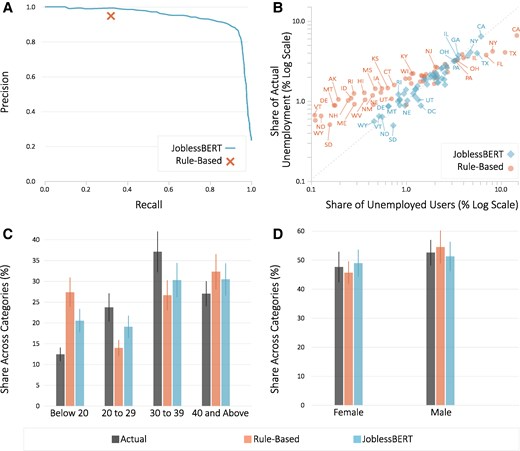 Social Media Is A Faster Source For Unemployment Data Than Government
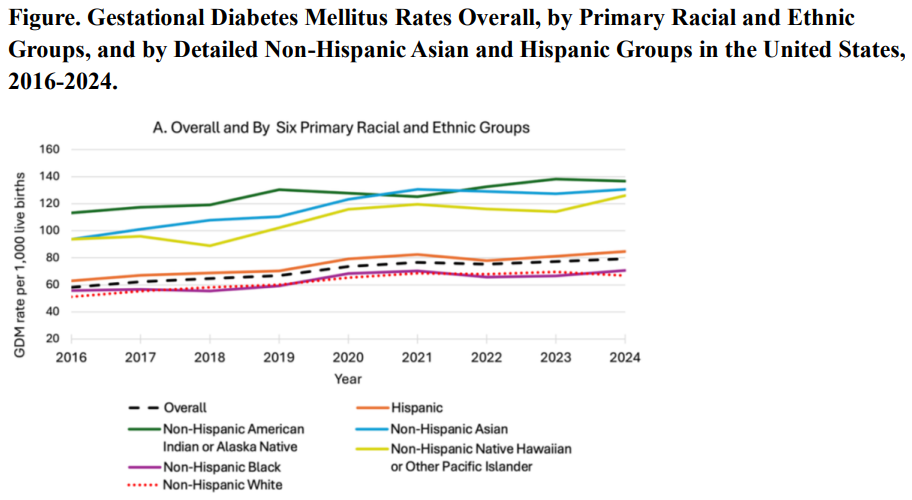 Gestational Diabetes Up 36% In The Last Decade - But Black Women Are Healthiest
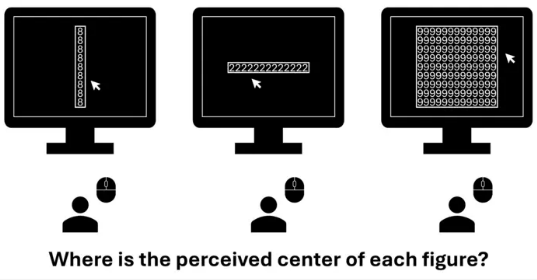 Object-Based Processing: Numbers Confuse How We Perceive Spaces
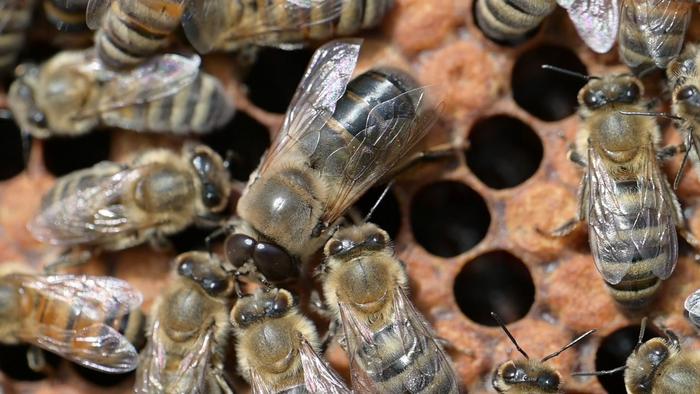 Males Are Genetically Wired To Beg Females For Food